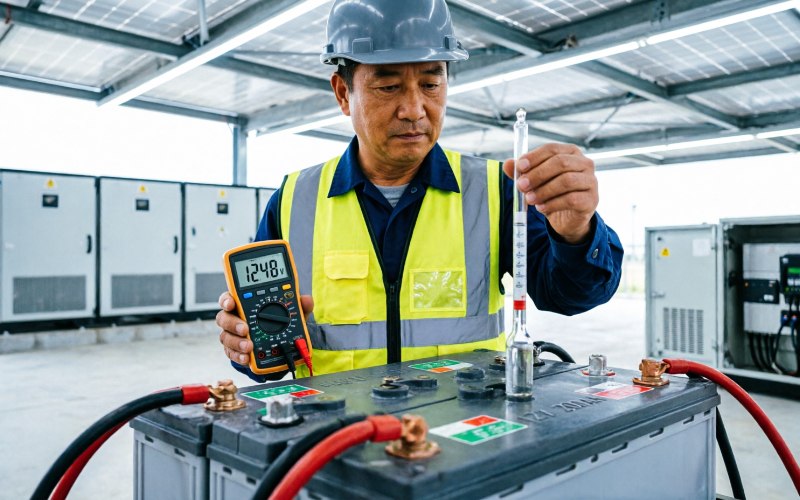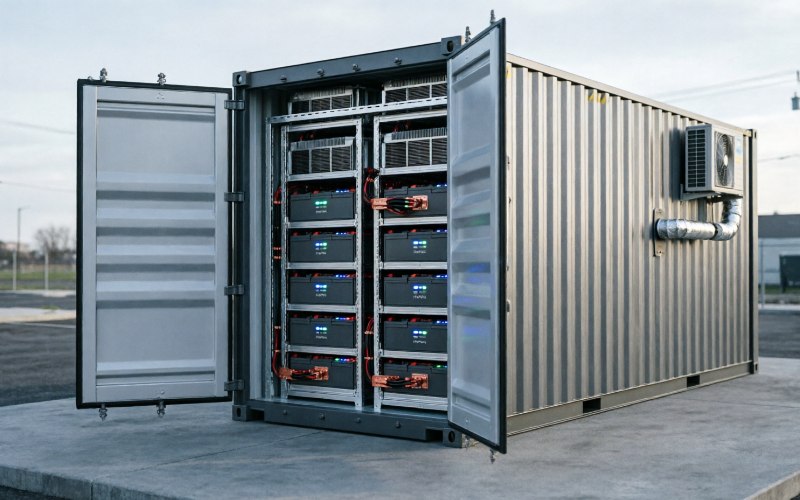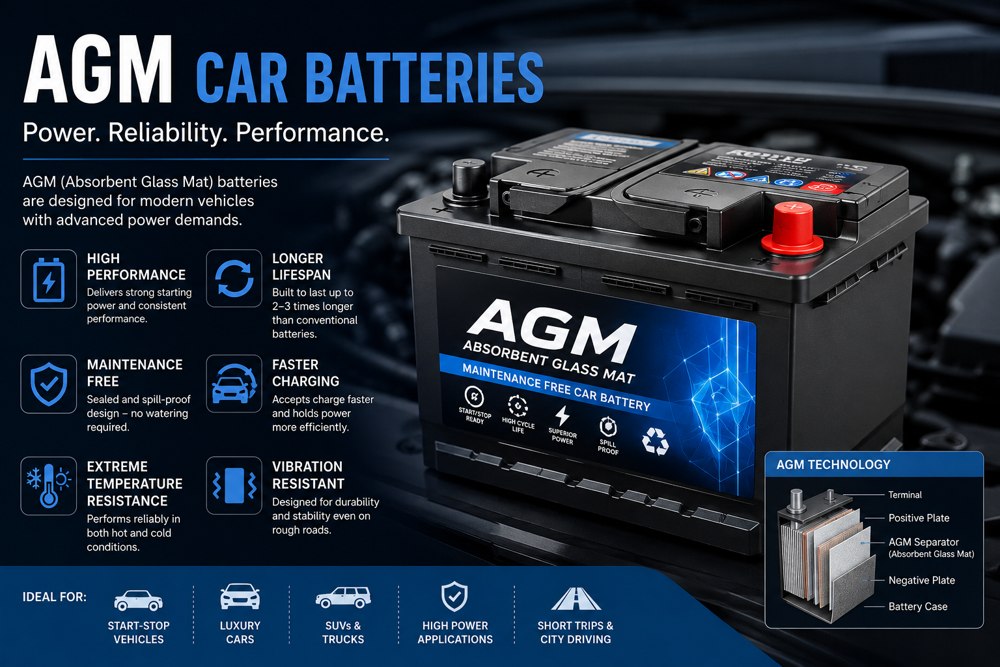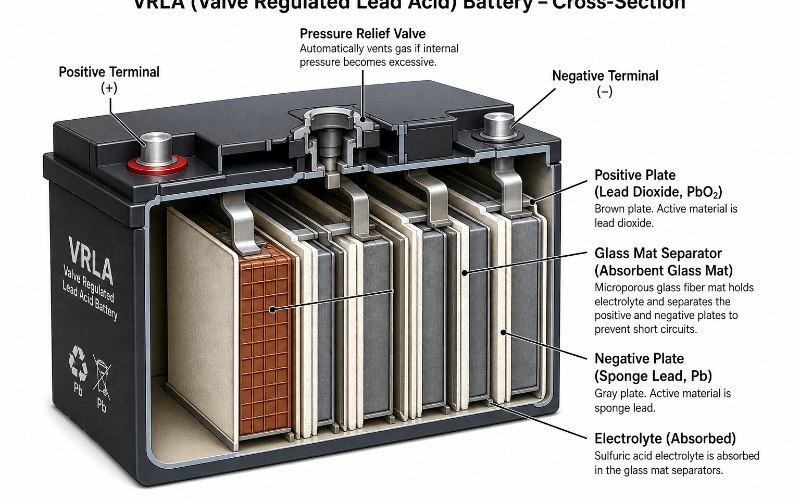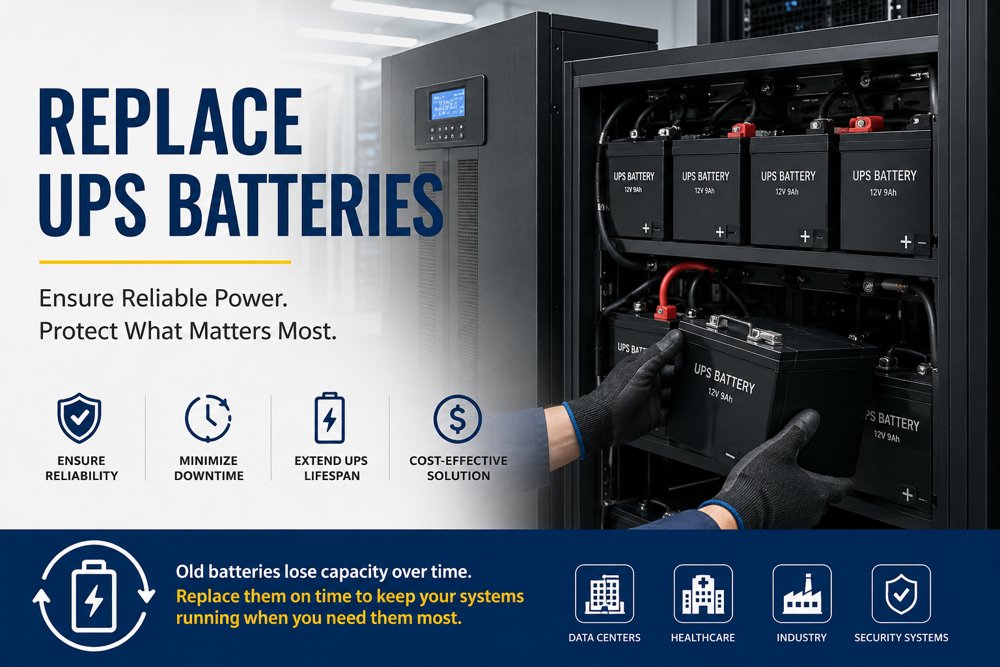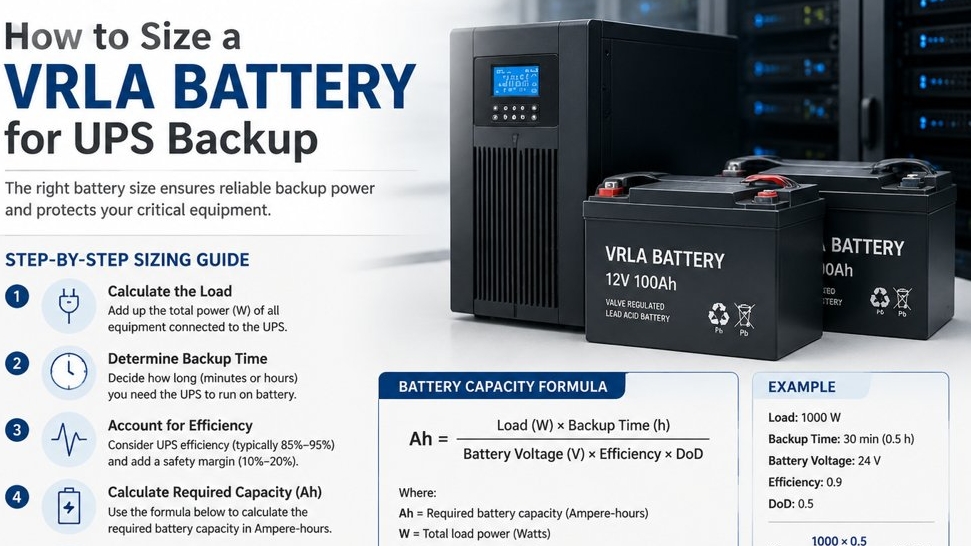
Свинцово-кислотные аккумуляторы применяются во многих сферах применения благодаря своей надежности и экономичности. Некоторые из распространенных применений включают автомобильную промышленность (для зарядки устройств, таких как стоки), хранилище возобновляемой энергии (солнечные панели) и источники бесперебойного питания (ИБП). Процедура производства свинцово-кислотной продукции включает в себя несколько ключевых технологий, которые играют важную роль в повышении долговечности. В этой статье мы обсудим различные процессы, связанные с изготовлением этих батарей, подчеркнув их технические аспекты и позволив нам узнать о них больше. Это поможет нам соответствующим образом адаптировать наши системы.
1. Технология термосваривания по сравнению с технологией клеевой сварки
Технические характеристики:
Технология термосварки — это хорошо изученный подход к герметизации модулей свинцово-кислотных аккумуляторов. По сути, тепло используется для соединения компонентов свинцово-кислотного аккумулятора, а именно крышки и контейнера. Представленные ниже изображения отражают технические особенности технохимического процесса термосварки:
Однако метод клеевой герметизации предполагает использование клеящих веществ, которые скрепляют части батареи вместе.
Технические характеристики клеевой герметизации:
Устойчивость к усиленным вибрациям: Адгезивные свойства клеевого уплотнения обеспечивают лучшую устойчивость или демпфирование сильной вибрации, что может быть особенно полезно для оборудования, подверженного значительным механическим нагрузкам.
Сравнение двух технологий
Обе технологии термосваривания имеют много преимуществ и недостатков, что делает их возможной альтернативой для конкретных применений аккумуляторов. Вот сравнение двух технологий:
Эффективность уплотнения:
В термосварке использованы такие сильные стороны, как прочное и герметичное соединение, способное вызывать повреждение батарей, снижая риски, связанные с утечкой электролитов в других батареях.
Эффективность изготовления:
Технология термосваривания, несомненно, быстрее, позволяя увеличить производительность, тем самым повышая экономическую эффективность колоссального производства. Это делает герметизацию клея, возможно, более медленной и, следовательно, не такой идеальной для высокоинтенсивных рабочих мест.
Возможности дизайна:
Форма и размер, возможные при клеевой сварке, обеспечат большую гибкость, в то время как термосварка может иметь некоторые ограничения при сварке деталей неправильной формы.
Ремонтопригодность:
Батареи, запечатанные клеем, обычно легче ремонтировать или запечатывать, поскольку клей можно удалить и заменить. С другой стороны, термосвариваемые батареи могут потребовать сложных процессов ремонта.
Принимая во внимание технические характеристики и принимая во внимание сравнительные преимущества и ограничения, связанные с обоими видами тепла, проектировщикам будет намного проще выбирать из двух доступных вариантов.
2. Технология сварки TTP в сравнении с технологией мостовой сварки
Технология сварки TTP (сквозная перегородка) и технология мостовой сварки — два распространенных способа соединения отрицательных и положительных пластин аккумулятора. Давайте узнаем об их технических характеристиках, а затем сравним их, чтобы лучше понять.
Технические характеристики
Технология сварки TTP напрямую соединяет сварной шов, образованный через сепаратор, путем создания сварных швов между пластинами. Он соединяет положительные и отрицательные пластины аккумулятора. К техническим особенностям технологии сварки ТТП относятся следующие:
С другой стороны, в технологии мостовой сварки используются небольшие металлические перемычки или перемычки между положительными и отрицательными пластинами. К техническим особенностям этого вида сварки относятся:
Повышенная безопасность: Использование перемычек при сварке мостов может обеспечить некоторые дополнительные преимущества в области безопасности, например предотвращение замыканий между одними и теми же парами пластин, которые в противном случае могли бы создать опасность).
Сравнение двух технологий
Очевидно, что уникальные преимущества каждой из этих двух технологий существенно отличают их друг от друга и оправдывают такое внимание; вот сравнение между ними:
Внутреннее сопротивление:
Технология сварки TTP имеет более низкое внутреннее сопротивление, что помогает улучшить производительность аккумулятора по сравнению с мостовой сваркой благодаря прямому соединению пластин с пластинами.
Механическая стабильность:
Сварное соединение повышает механическую стабильность аккумулятора, поскольку предотвращает смещение пластин и повышает устойчивость аккумулятора к механическим воздействиям.
Гибкость дизайна:
Мостовая сварка обеспечивает большую гибкость конструкции, поскольку мосты можно регулировать в соответствии с различными размерами и конфигурациями пластин. Пластины, изготовленные с помощью TTP-сварки, могут иметь ограничения с точки зрения конструкции, поскольку существуют потенциальные ограничения на регулировку покрытия через сепаратор.
Простота изготовления:
Мост, как правило, проще и быстрее (следовательно, подходит для крупносерийного производства), в то время как применение сварки TTP улучшает качество сварных швов за счет использования оборудования и тщательного выравнивания. Это, в свою очередь, повышает стандарт производственных процессов, несмотря на потенциальное увеличение сложности.
Рассмотрение всех технических аспектов, а также сравнение преимуществ и ограничений технологий TTP-сварки и мостовой сварки для аккумуляторной промышленности позволяет производителям осознавать возможные варианты выбора, тем самым делая осознанный выбор.
3. Технология перфорирования сетки
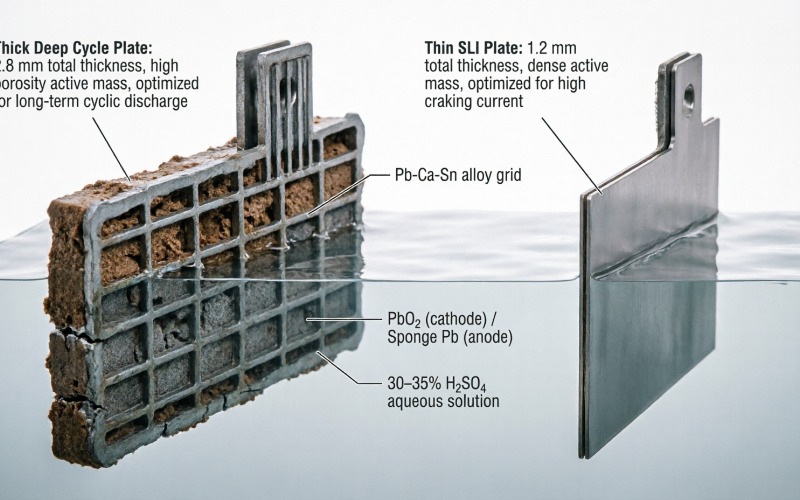
Свинцово-кислотные аккумуляторы требуют определенного количества свинца, но состоят в основном из ареометров и электрохимических элементов, которые не могут составлять более 30-40% всего объема элемента. Структура и форма сетки играют жизненно важную роль в отношении электричества, проводимого между свинцовыми пластинами во время разряда. В этом разделе описывается технология Punching Grid.
Технические характеристики
Технология перфорационной сетки имеет следующие технические особенности:
Оптимальная толщина пластины: Технология перфорирования сетки позволяет изготавливать точные сетки точной толщины, обеспечивая оптимальную механическую стабильность, а также минимизируя внутреннее сопротивление.
Во многих приложениях широко применяется технология перфорированных решеток, поскольку она предлагает улучшенный способ изготовления высококачественных решеток с превосходными эксплуатационными характеристиками, которые способствуют общей эффективности и долговечности свинцово-кислотных аккумуляторов.
4. Технология расширенной сети
Расширенная сетка — еще один распространенный метод изготовления решеток для свинцово-кислотных аккумуляторов. По сути, этот метод включает в себя расширение полосы из свинцового сплава для получения желаемой структуры сетки. А теперь давайте рассмотрим технические особенности технологии расширенной сети.
Технические характеристики
Расширенная сетка включает в себя следующие технические характеристики:
Универсальность дизайна: Технология расширенной сетки позволяет дизайнерам создавать широкий спектр конструкций и конфигураций сеток, что делает ее достаточно вместительной, чтобы производители могли настраивать сетки в соответствии с конкретным применением.
Превосходные механические свойства и универсальность конструкции технологии расширенной сетки сделали ее все более популярной в отрасли производства свинцово-кислотных аккумуляторов.
5. Технология гравитационного литья
Гравитационное литье — это метод литья, используемый для изготовления решеток свинцово-кислотных аккумуляторов. Литье предполагает заливку расплавленного свинцового сплава в формы под действием силы тяжести. Теперь объясняются технические характеристики гравитационной решетки.
Технические характеристики
Ниже приведены технические характеристики гравитационного литья:
Высокая точность: Для готовых решеток гравитационное литье позволяет получить чрезвычайно сложные конструкции, а также точные размеры, что обеспечивает качественную посадку и производительность батарей.
Повышенная коррозионная стойкость: Коррозионная стойкость затвердевшего свинцового сплава внутри решеток, отлитых под действием силы тяжести, повышается, что приводит к увеличению срока службы батареи.
Подходит для больших решеток: В первую очередь, гравитационное литье подходит для изготовления огромных и сложных решеток, что делает эту технологию достаточно способной удовлетворить высокие требования к производительности в различных отраслях и приложениях.
6. Внутренние технологии и внешние технологии
1. Внутренние технологии
Внутренняя технология — это технология активации аккумулятора перед отправкой с завода. Вот краткое изложение того, что происходит во время формирования свинцово-кислотных аккумуляторов:
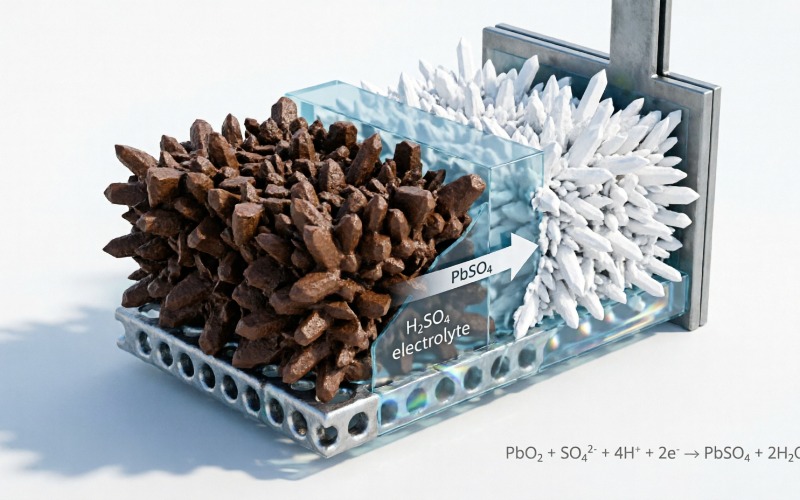
Погружение в серную кислоту: После того как пластины аккумулятора закончены и подготовлены, их погружают на несколько часов в раствор серной кислоты. Это приводит к образованию на поверхности пластин слоев сульфата свинца, который необходим для электрохимической реакции аккумулятора.
Управление переменными: Отраслевые исследования подчеркивают важность тщательного управления такими переменными, как концентрация кислоты и время выдержки во время формирования, поскольку это может значительно улучшить производительность батареи.
Типы формирования: Существует два типа образования – сухое и влажное. При сухом формировании пластины заряжаются вне корпуса батареи в большом баке с раствором электролита. С другой стороны, батареи, изготовленные методом мокрой формовки, заряжаются внутри аккумуляторного отсека.
Управление теплом: Во время влажной формовки корпуса аккумуляторов часто погружают в водяную баню, чтобы справиться с большим количеством тепла, выделяющегося во время зарядки аккумулятора. Высокие температуры во время формовки могут снизить эффективность и срок службы батареи.
Процесс зарядки: Фактический процесс зарядки включает в себя серию зарядок и перерывы между зарядами. Первоначальный процесс зарядки может занять более суток. Затем аккумулятор разряжается и заряжается.
Плиты сухой формовки: Для аккумуляторов сухой формовки пластины вынимаются из емкости с электролитом, сушатся и собираются в корпус аккумулятора. Эти батареи поставляются без раствора электролита.
Тестирование и оптимизация: После формирования аккумулятор подвергается скоростному разряду для исключения каких-либо дефектов. Для достижения оптимальной работы он также может пройти еще несколько циклов разрядки/подзарядки.
Окончательная сборка и отгрузка: После получения окончательного заряда аккумулятор отправляется на окончательную сборку, а затем отправляется на отправку.
Этот процесс формирования свинцово-кислотной батареи имеет решающее значение для подготовки батареи к получению электрического заряда и обеспечения ее правильного функционирования и долговечности.
2. Внешние технологии
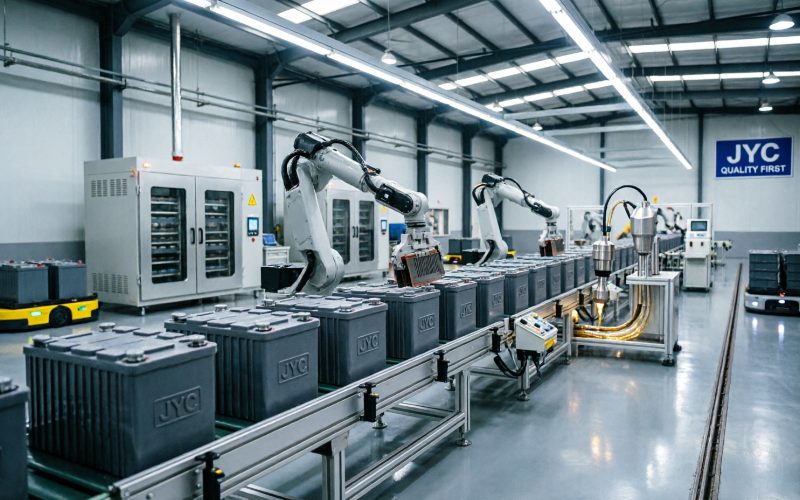
Внешняя технология предполагает использование автоматизированного оборудования для ускорения и увеличения процесса формирования батареи. Благодаря автоматизации производители достигают гораздо большей производительности, качества и более безопасных рабочих мест для сотрудников. Некоторые внешние технологические аспекты включают в себя
Автоматическое погружение пластины: Оборудование может правильно погружать пластины в растворы серной кислоты, обеспечивая однородность и точность в процессе формования. В результате получается высококачественная батарея, обеспечивающая лучшую производительность и увеличенный срок службы.
Автоматизированные системы водяной бани: Автоматизированное оборудование с водяной баней поддерживает необходимую температуру и уровень воды, что снижает вероятность ошибок и исключает необходимость ручной помощи. Это повышает эффективность за счет повышения производительности и снижения вероятности травм на рабочем месте.
Программная автоматическая зарядка: Использование автоматического зарядного оборудования с программным управлением повышает контроль и точность процесса зарядки. Было доказано, что автоматическая зарядка производит более качественные батареи с превосходными характеристиками по сравнению с ручным управлением.
Автоматизированное тестирование: После формирования батареи должны пройти тестирование на обнаружение дефектов. Испытательные машины могут эффективно проверять большое количество батарей в минуту, превосходя возможности человеческого персонала. Дефектные батареи будут автоматически отправляться на станцию отбраковки, экономя время и оптимизируя процесс контроля качества.
В целом, как внутренние, так и внешние технологии придают батареям преимущества. Тем не менее, отбор требует рассмотрения различных факторов, зависящих от особых требований и приоритетов при их разработке или внедрении.
Выводы
В области производства свинцово-кислотных аккумуляторов многочисленные технологии способствуют производству высокопроизводительных и надежных аккумуляторов. От технологий герметизации, таких как термосварка и клеевая герметизация, до таких методов сварки, как TTP-сварка и мостовая сварка, каждая технология играет важную роль в обеспечении надежной защиты целостности и функциональности свинцово-кислотных аккумуляторов. Сеточные технологии, такие как перфорированные сетки, расширенные сетки и сетки, полученные методом гравитационного литья, позволяют производить сетки с превосходной механической стабильностью, электропроводностью и коррозионной стойкостью. Выбор между внутренними и внешними технологиями позволяет производителю оптимизировать использование активных материалов и дает возможность персонализировать конструкцию аккумулятора.
Понимание технических особенностей, преимуществ и ограничений этих производственных технологий позволяет производителям аккумуляторов принимать обоснованные решения относительно выбора наиболее подходящих методов для их конкретных применений. Постоянное развитие этих технологий поможет отрасли свинцово-кислотных аккумуляторов удовлетворить растущие потребности различных секторов и, в свою очередь, обеспечит более устойчивое и эффективное будущее.




 en
en  fra
fra  spa
spa  de
de  vie
vie  ru
ru  ara
ara  kor
kor