This is more than just a series of products; it is an ecosystem we have built to achieve a more efficient, reliable, and sustainable energy future. Discover how our products and solutions can create t...
Our Industrial Batteries combine high-quality materials, robust design, and dependable performance. With excellent deep-cycle capability and easy maintenance, they are ideal for diverse applications. ...
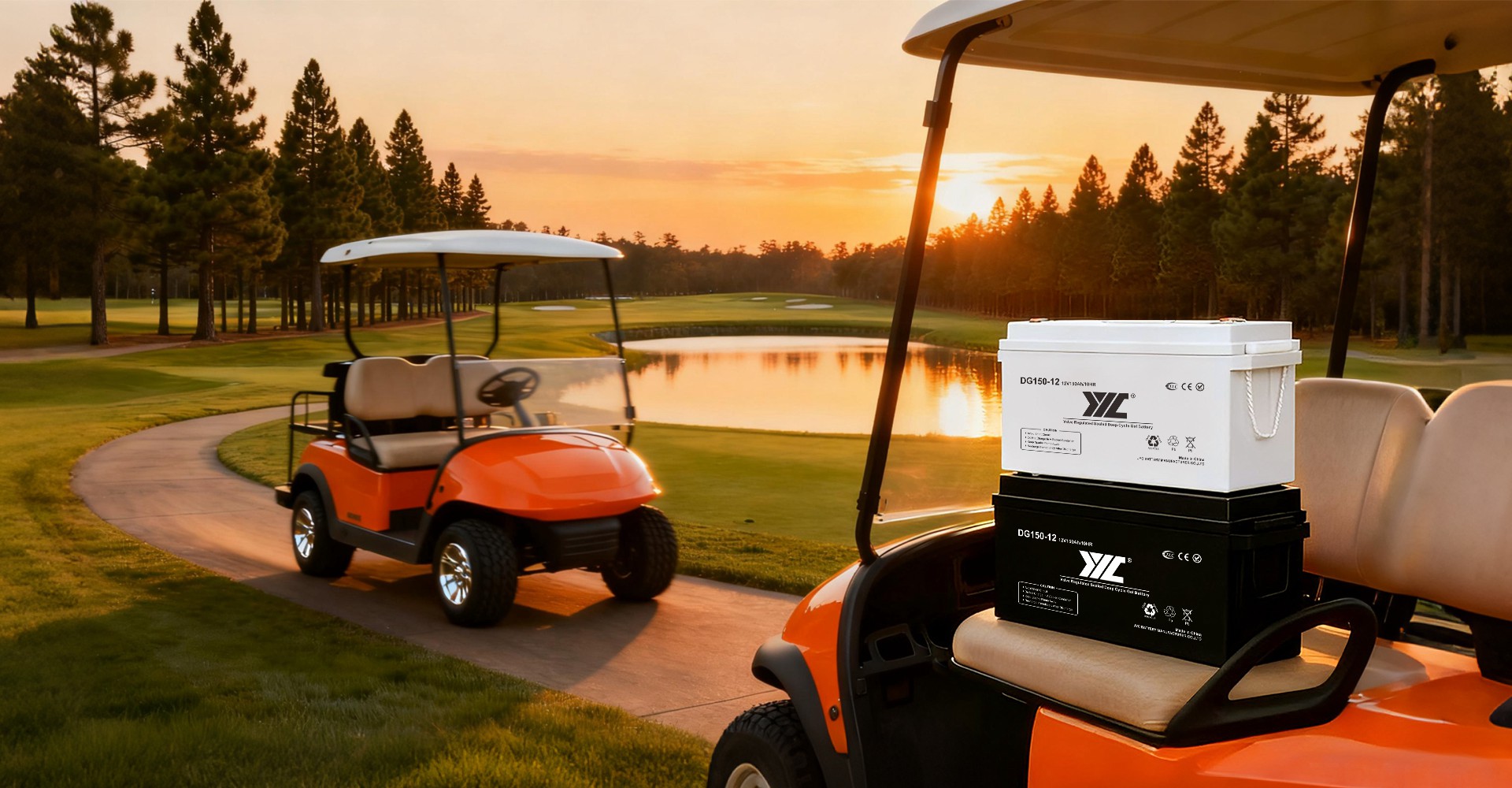
JYC Transportation batteries are a category of power storage devices specifically designed for transportation scenarios, with core functions of providing continuous, stable, and high-efficiency power ...
JYC Motive Power batteries are deep-cycle energy storage devices specifically designed for industrial and commercial vehicles and specialized equipment. Their core function is to provide continuous an...
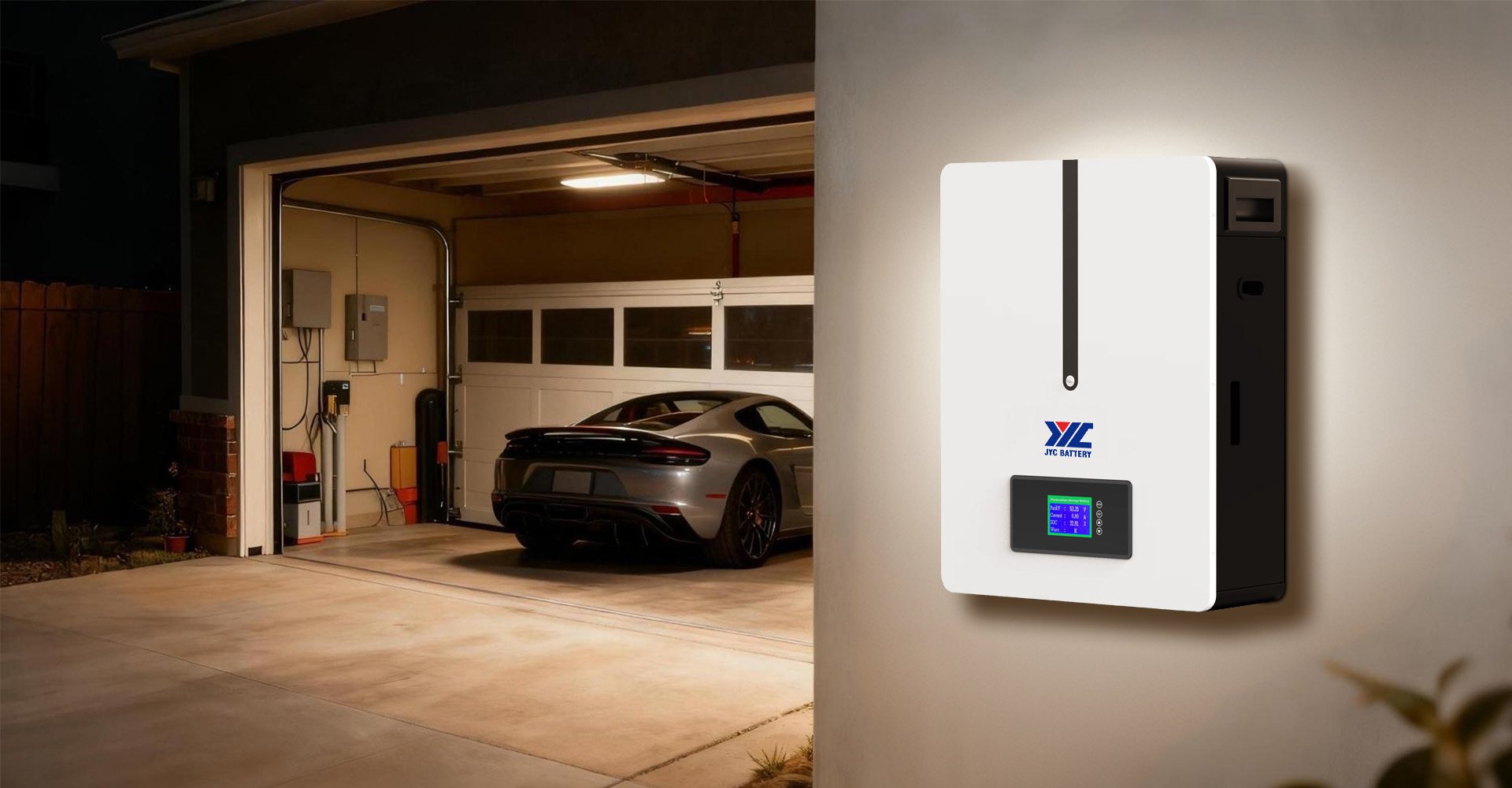
Based on the low-carbon concept, and thanks to the competitiveness of energy storage technology, lithium applications in various systems will be gradually realized globally. JYC Lithium Battery Soluti...
Focus on company news, product updates and market events. We provide continuous updates to bring you first-hand information, helping you stay informed about our development progress at all times.
AGM vs. GEL for Off-Grid Solar: An Electrochemical Efficiency Analysis
2026-01-12 09:45:31
For Solar System Integrators and EPC Contractors, the selection of energy storage technology is rarely a matter of preference—it is a calculation of Levelized Cost of Energy (LCOE), thermal resilience, and cycle life expectancy. While the market sees a rapid shift toward LiFePO4 solutions, Valve Regulated Lead-Acid (VRLA) batteries remain the backbone of cost-sensitive and ruggedized off-grid infrastructure.
However, the distinction between Absorbent Glass Mat (AGM) and GEL (Gelled Electrolyte) technologies is often oversimplified. As a Senior Electrochemical Engineer at JYC Battery, I frequently analyze the failure modes of battery banks in the field. The choice between AGM and GEL hinges on specific electrochemical behaviors under stress—specifically regarding internal resistance, electrolyte stratification, and thermal runaway thresholds.
This technical analysis dissects the AGM vs. GEL for off-grid solar debate, providing the engineering data necessary for integrators to design robust, long-lasting power systems.
The Electrochemical Distinction: Mat vs. Silica
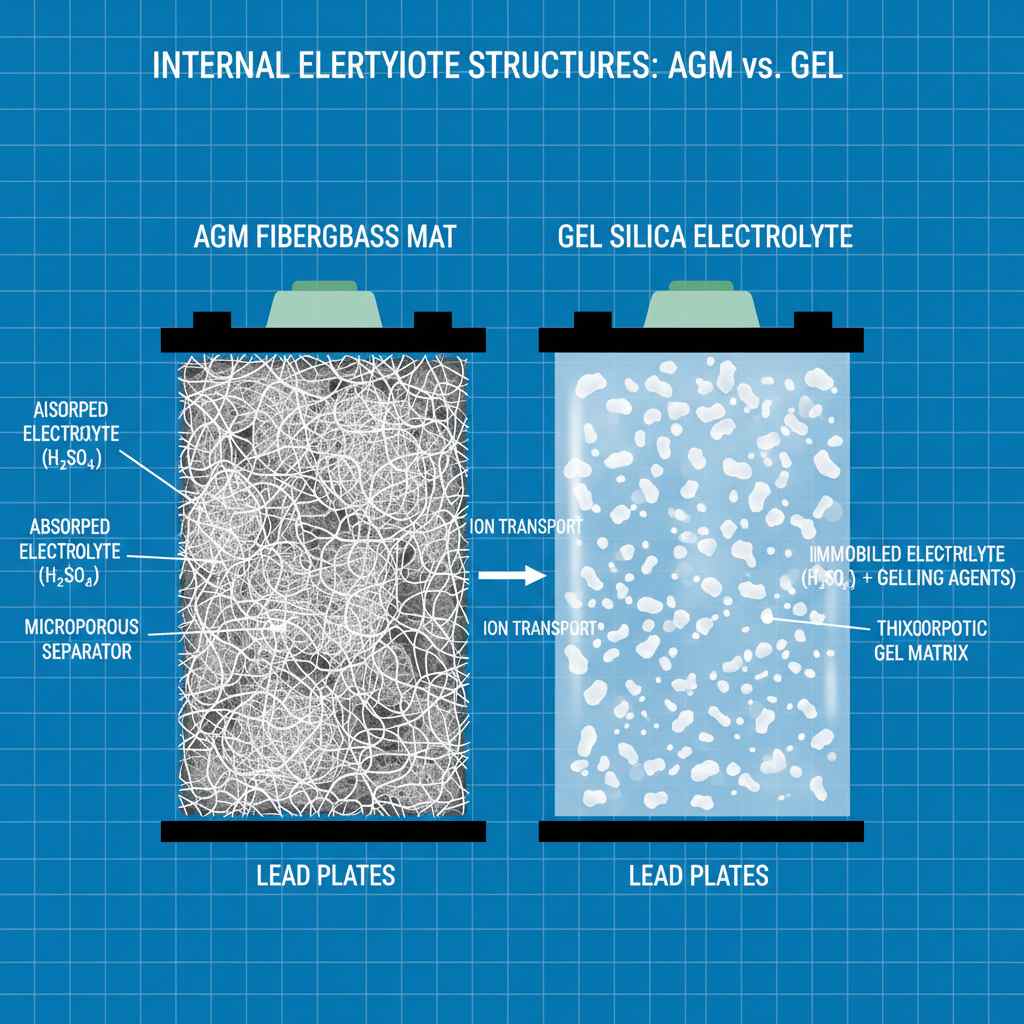
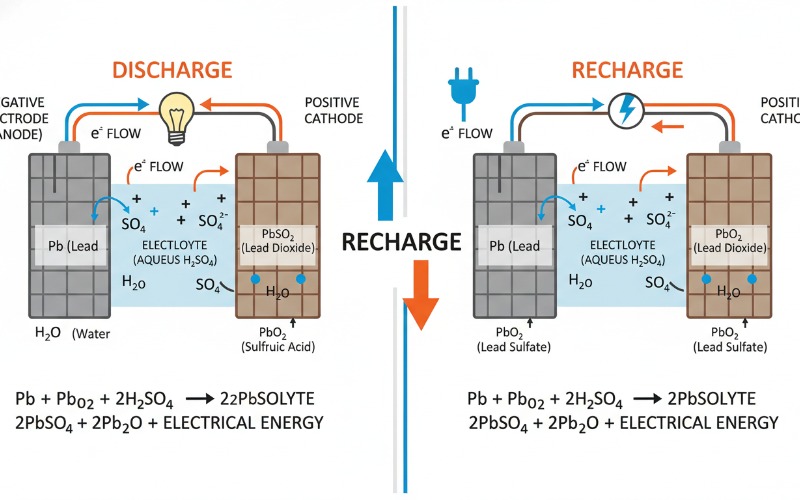
To understand performance differences, we must look at the electrolyte immobilization method. Both are recombinant technologies utilizing the oxygen cycle to minimize water loss, but their execution differs fundamentally.
AGM (Absorbent Glass Mat) Technology
AGM batteries utilize a specialized fiberglass separator that acts as a sponge, holding the liquid electrolyte in suspension against the active plates. The key characteristic here is low internal resistance. Because the ions flow freely through the thin glass mat, AGM batteries can deliver exceptionally high surge currents, making them ideal for applications requiring high discharge rates (C-rates).
GEL (Thixotropic) Technology
GEL batteries mix sulfuric acid with fumed silica ($SiO_2$), creating a thixotropic gel that immobilizes the electrolyte. This gel structure creates a thermal mass that is distinct from AGM. While the internal resistance is slightly higher—limiting peak burst current—the gel adds robust protection against acid stratification and plate sulfation.
Performance Analysis: Cycle Life and Depth of Discharge (DOD)
In off-grid solar applications, the battery operates in a Partial State of Charge (PSOC) far more often than in standby UPS applications. This is where the divergence in cycle life becomes critical.
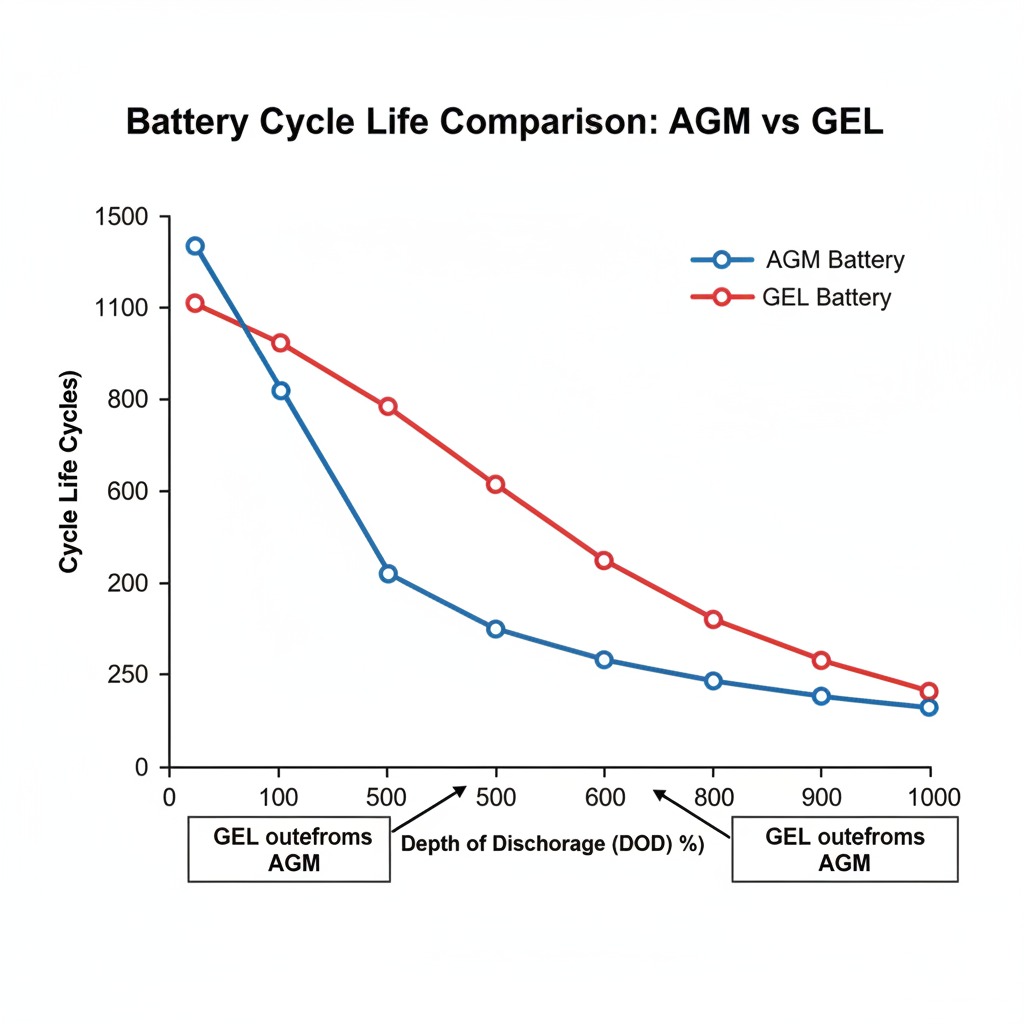
AGM: Standard AGM batteries generally offer 400-600 cycles at 50% DOD. They are susceptible to capacity loss if left in a discharged state due to rapid sulfation of the negative plate.
GEL: JYC's GEL formulations typically deliver 800-1200 cycles at 50% DOD. The silica matrix prevents the vertical separation of acid (stratification), ensuring that the specific gravity of the electrolyte remains uniform across the plate surface. This uniformity significantly extends plate life during deep cycling.
Thermal Management: The Critical Factor for EPCs
Temperature is the enemy of electrochemical storage. For every 10°C rise above 25°C, lead-acid battery life is effectively halved due to accelerated grid corrosion.
Thermal Runaway Risks
AGM batteries, with their tightly packed design and lower electrolyte volume, are more prone to thermal runaway if the charging current is not strictly regulated in high-heat environments. As the battery heats, internal resistance drops, drawing more current, which generates more heat—a destructive positive feedback loop.
GEL batteries possess higher thermal inertia. The volume of gelled electrolyte acts as a heat sink, dissipating heat more effectively to the case walls. For solar installations in arid regions (e.g., Middle East, Australia, Sub-Saharan Africa), GEL is the superior engineering choice due to this resistance to dry-out and thermal degradation.
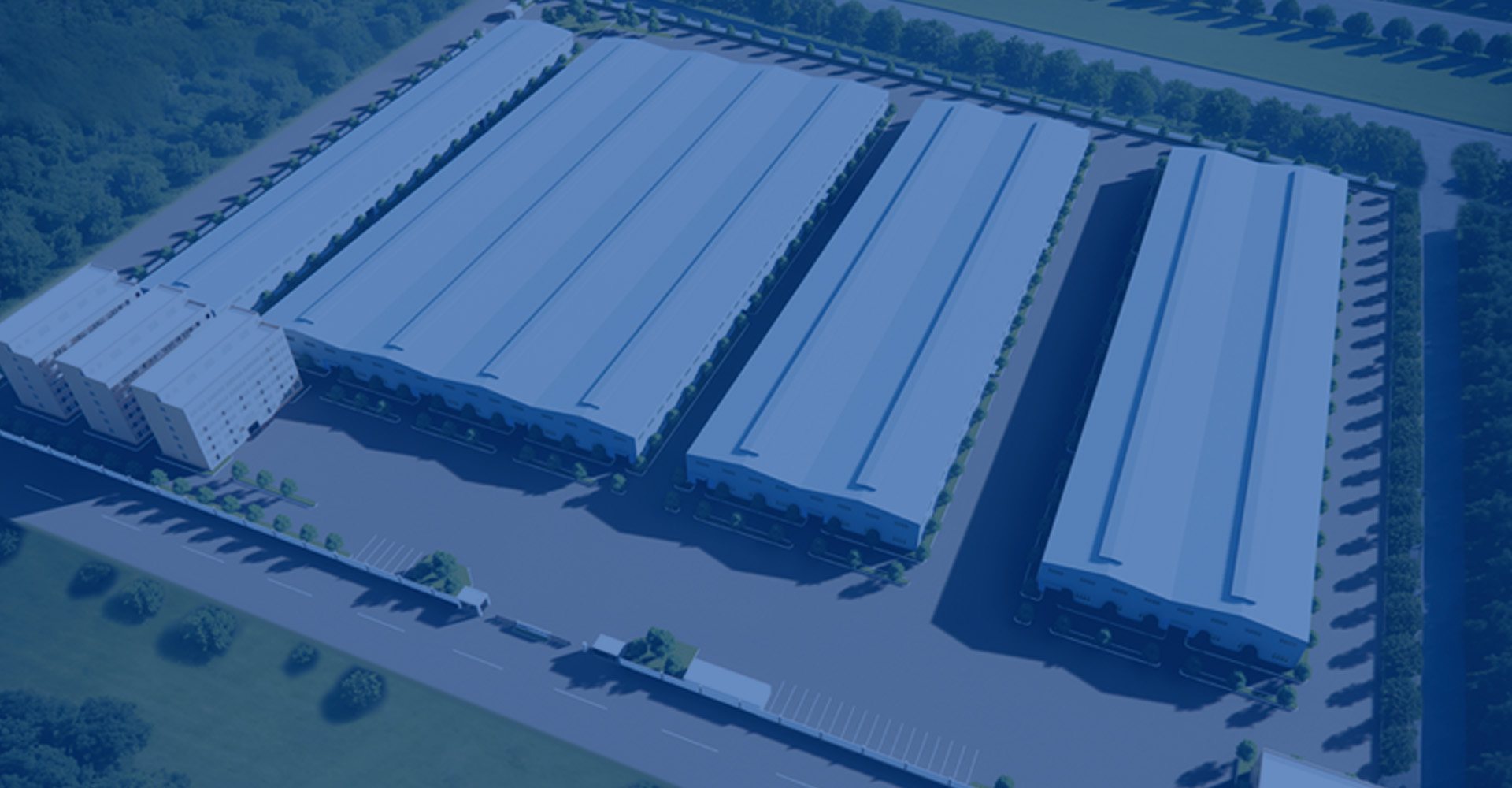
A datasheet is only as good as the manufacturing process behind it. At JYC Battery, we operate a 100,000 square meter manufacturing base where we control the electrochemical consistency of our VRLA batteries through advanced automation.
Grid Alloy & Curing Process
We utilize a high-tin, low-calcium alloy grid structure. In our GEL series, we employ a proprietary vacuum acid filling process that ensures 100% saturation of the active material without air pockets. Furthermore, our plate curing chambers are strictly humidity-controlled to ensure the formation of tetribasic lead sulfate ($4PbO \cdot PbSO_4$), which provides the structural integrity needed for deep cycling.
Many lower-tier manufacturers use standard AGM plates and simply add silica to the acid, labeling it "GEL." This is a "Hybrid Gel" at best. True GEL batteries, like those manufactured by JYC, use microporous PVC-SiO2 separators specifically designed for gel electrolytes to prevent short circuits caused by dendrite growth.
Conclusion: Making the Right Engineering Choice
When selecting between AGM vs. GEL for off-grid solar, the decision matrix should follow these rules:
Choose AGM if: The system requires high surge currents (e.g., starting heavy motors), the ambient temperature is controlled (20-25°C), and the budget is strictly limited.
Choose GEL if: The system is off-grid, experiences daily deep cycling, operates in high-temperature environments without active cooling, or requires a service life exceeding 5-7 years.
For system integrators looking to maximize ROI and minimize site visits for battery replacements, JYC's Deep Cycle GEL series offers the optimal balance of durability and electrochemical efficiency.





 en
en  ara
ara  de
de  fra
fra  kor
kor  ru
ru  spa
spa  vie
vie