JYC Battery
Automotive

Automotive

JYC Automotive batteries are energy storage devices specifically designed for vehicles. Their core functions include starting the engine, supplying power to on-board electrical appliances, and ensuring the stable operation of the vehicle's electrical system. They are one of the indispensable core components of automobiles.
Automative Lead Acid Battery - A Reliable Starting Power Source
Automotive lead-acid batteries are the core of a vehicle's electrical system. Their main functions are to provide instantaneous high current for engine startup and deliver stable power to all the vehicle’s electrical equipment.
Car Start Stop  Battery Core Functions
Engine Starting: Supply instantaneous high current to drive the starter motor.
Voltage Stabilization: Protect on-board electronic equipment from voltage fluctuations.
Auxiliary Power Supply: Provide power to all electrical devices when the engine is turned off.
Automotive Lead Acid Battery Main Types
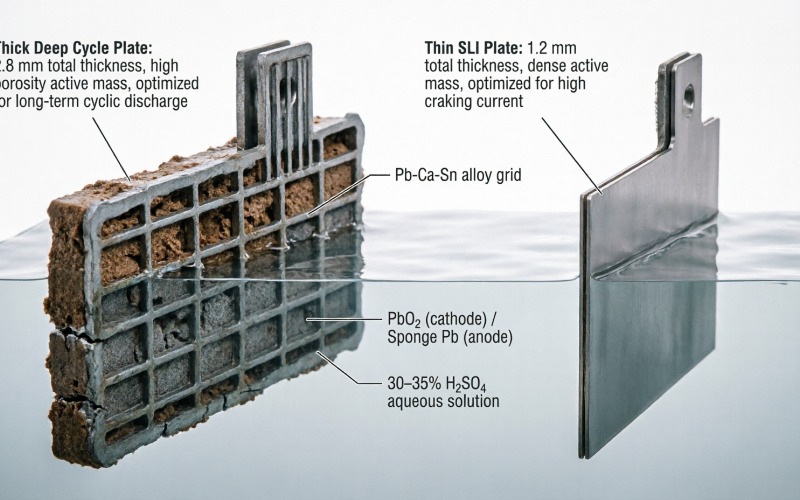
Conventional Flooded Batteries: Basic-type batteries that are economical and practical.
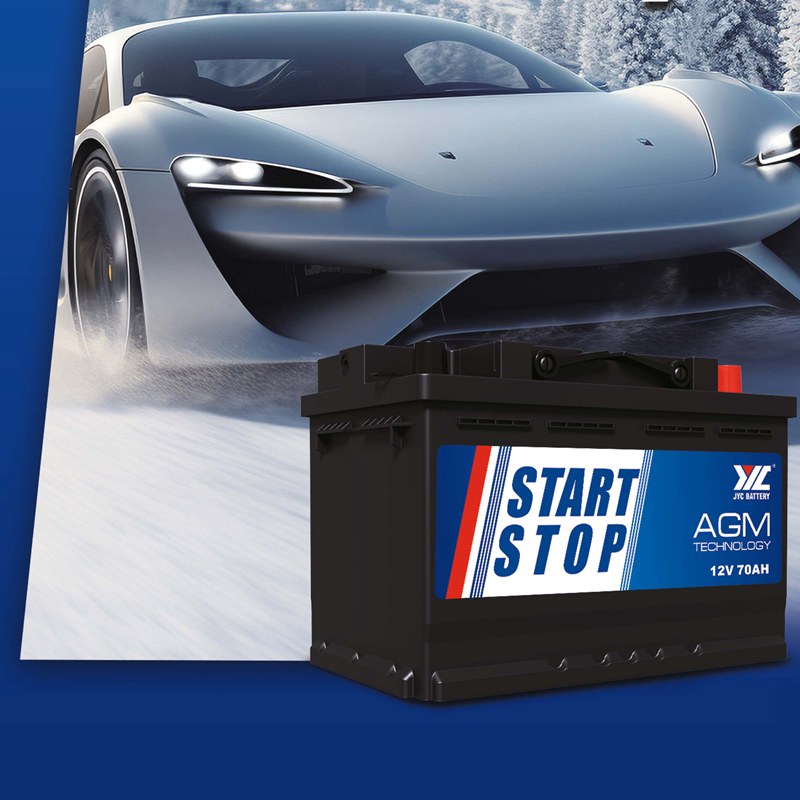
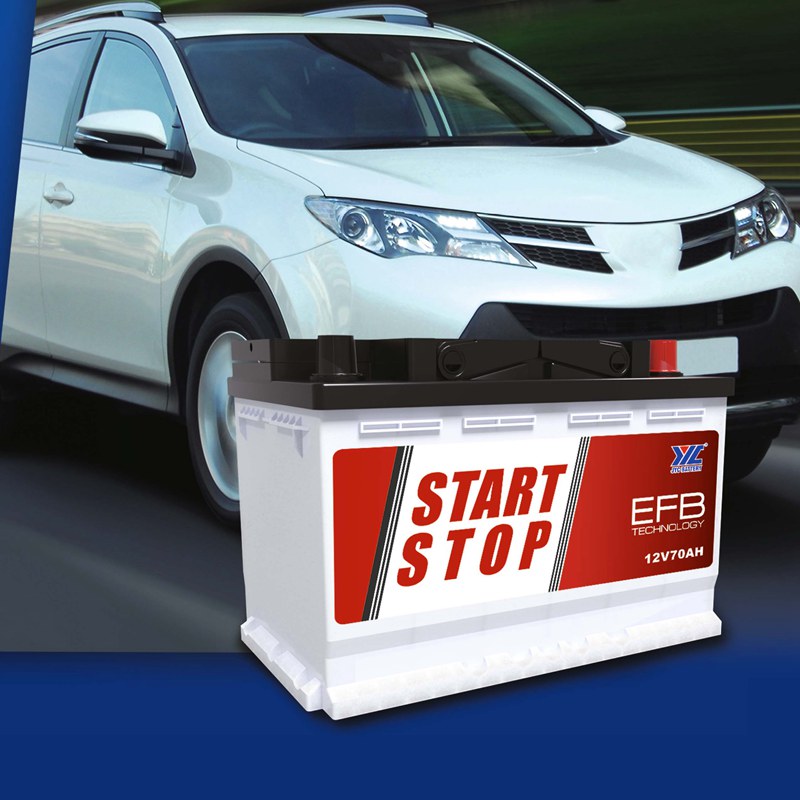
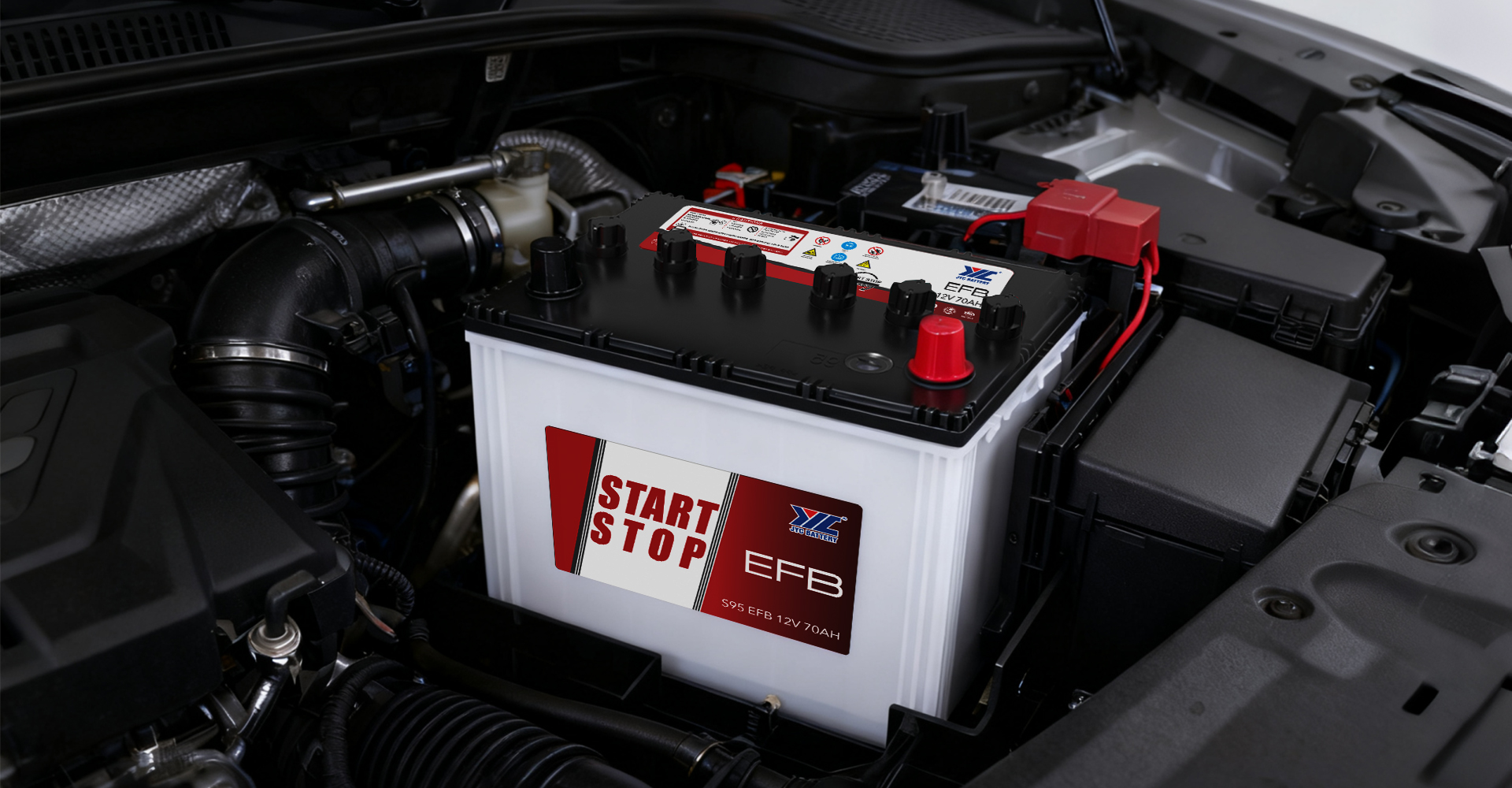
EFB Batteries (Enhanced Flooded Batteries): Enhanced flooded batteries suitable for vehicles equipped with start-stop systems.
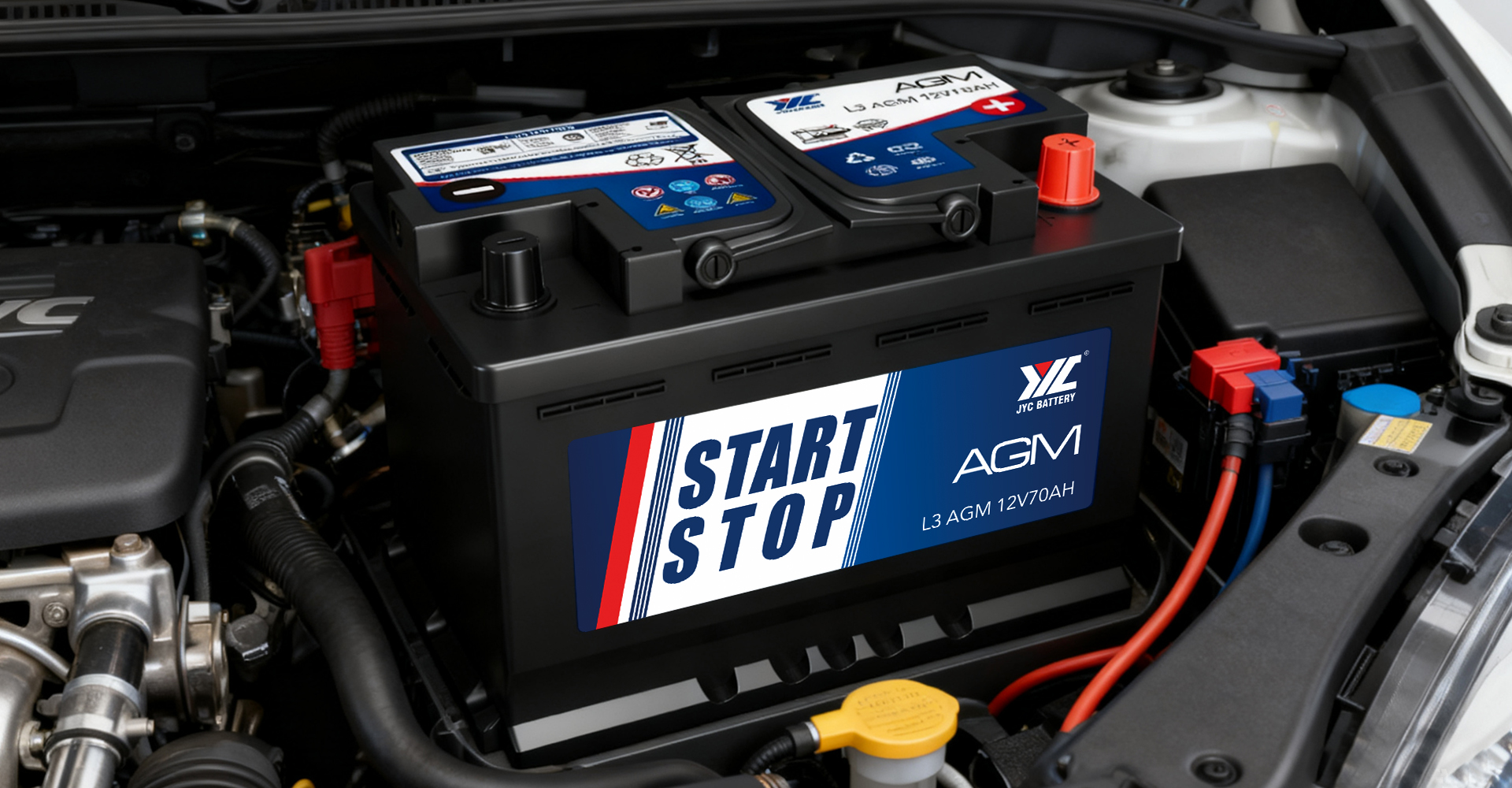
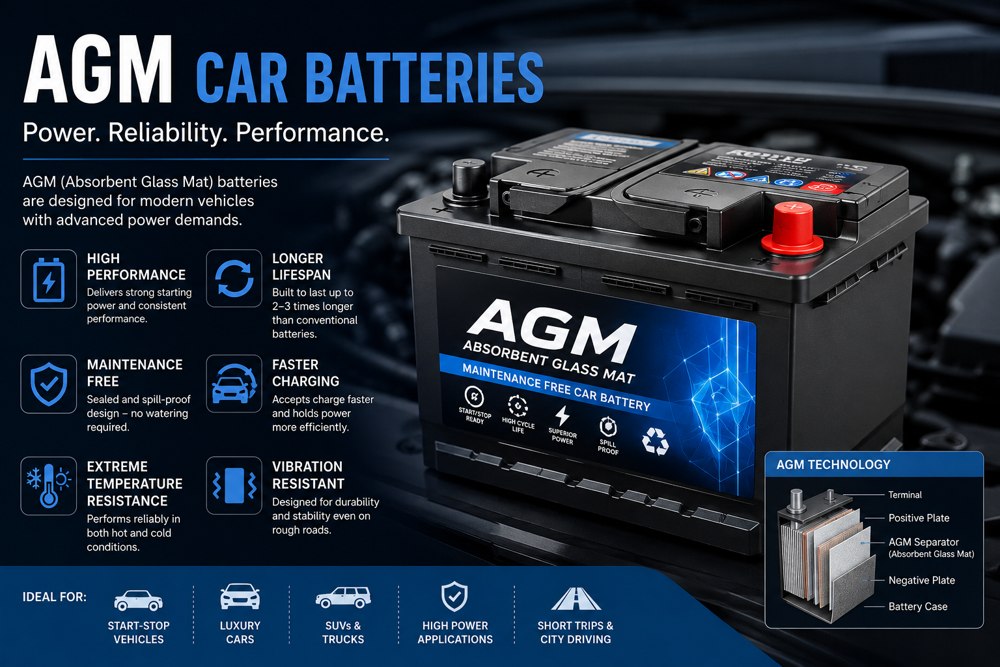
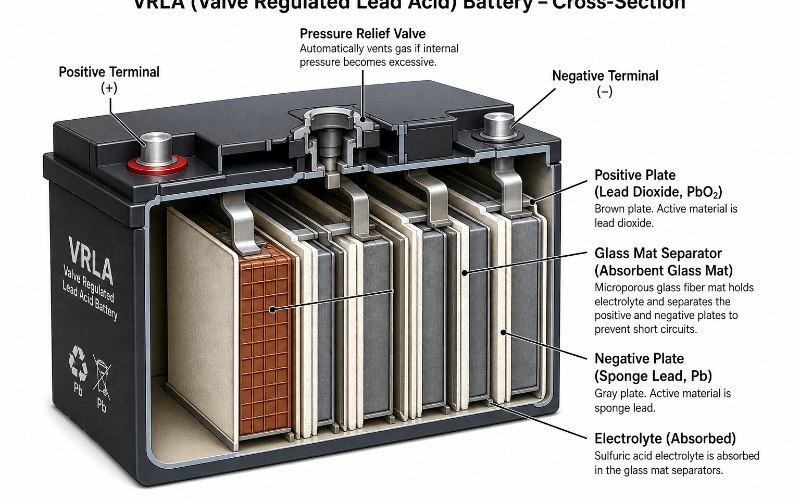
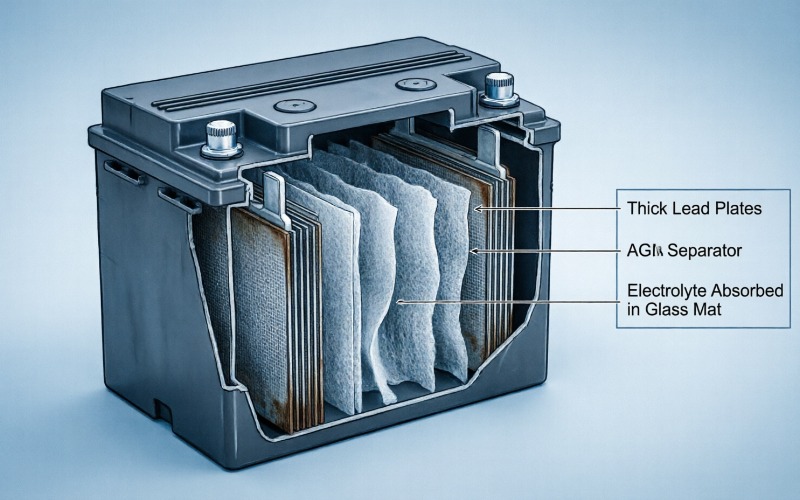
AGM Batteries (Absorbent Glass Mat Batteries): Batteries with glass fiber mat technology, featuring superior performance and support for more electronic devices.
Key Advantages of Car Battery for Start Stop
1. Mature technology and high reliability
2. Low cost and easy maintenance
3. Excellent low-temperature starting performance
4. Well-established recycling system and strong environmental friendliness
Core Applications of Lead-Acid Batteries in the Automotive Sector
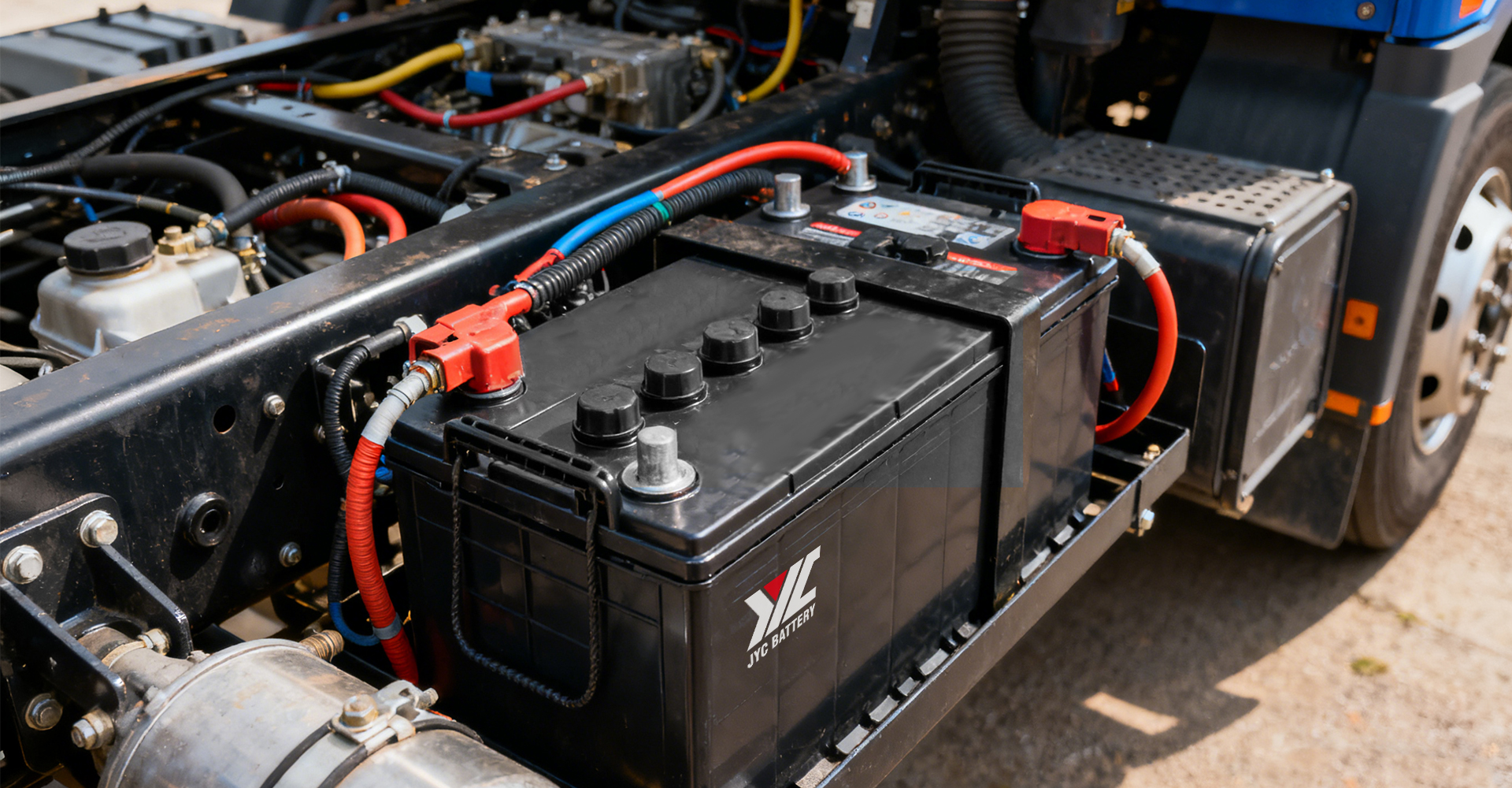
Traditional Starting: Provide starting, ignition, and initial power supply for the engines of fuel-powered sedans, trucks, and motorcycles.
Start-Stop Systems: EFB/AGM batteries are specifically matched to vehicles with automatic start-stop functions, meeting their requirements for frequent deep discharge.
Auxiliary Equipment Power Supply: Deliver stable power to the vehicle’s lighting, audio systems, air conditioning, and various electronic control systems.
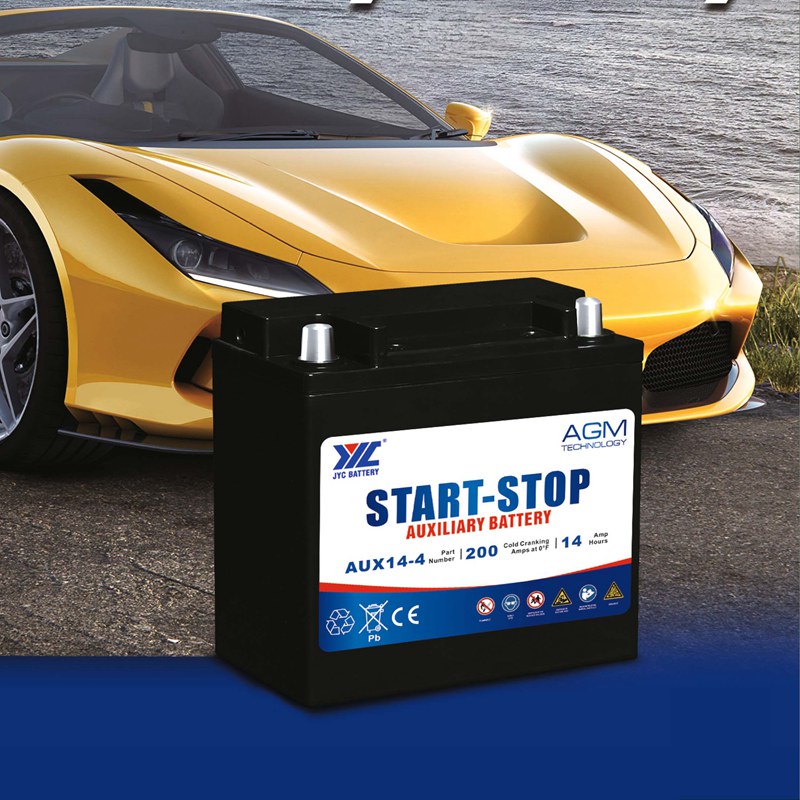
Low-Voltage Auxiliary Power Supply: In new energy vehicles, they serve as independent 12V low-voltage power sources, responsible for waking up the high-voltage system and supplying power to on-board electrical appliances.
Get In Touch With JYC
Get in Touch with
TOP