JYC Battery
Energy Storage

Energy Storage

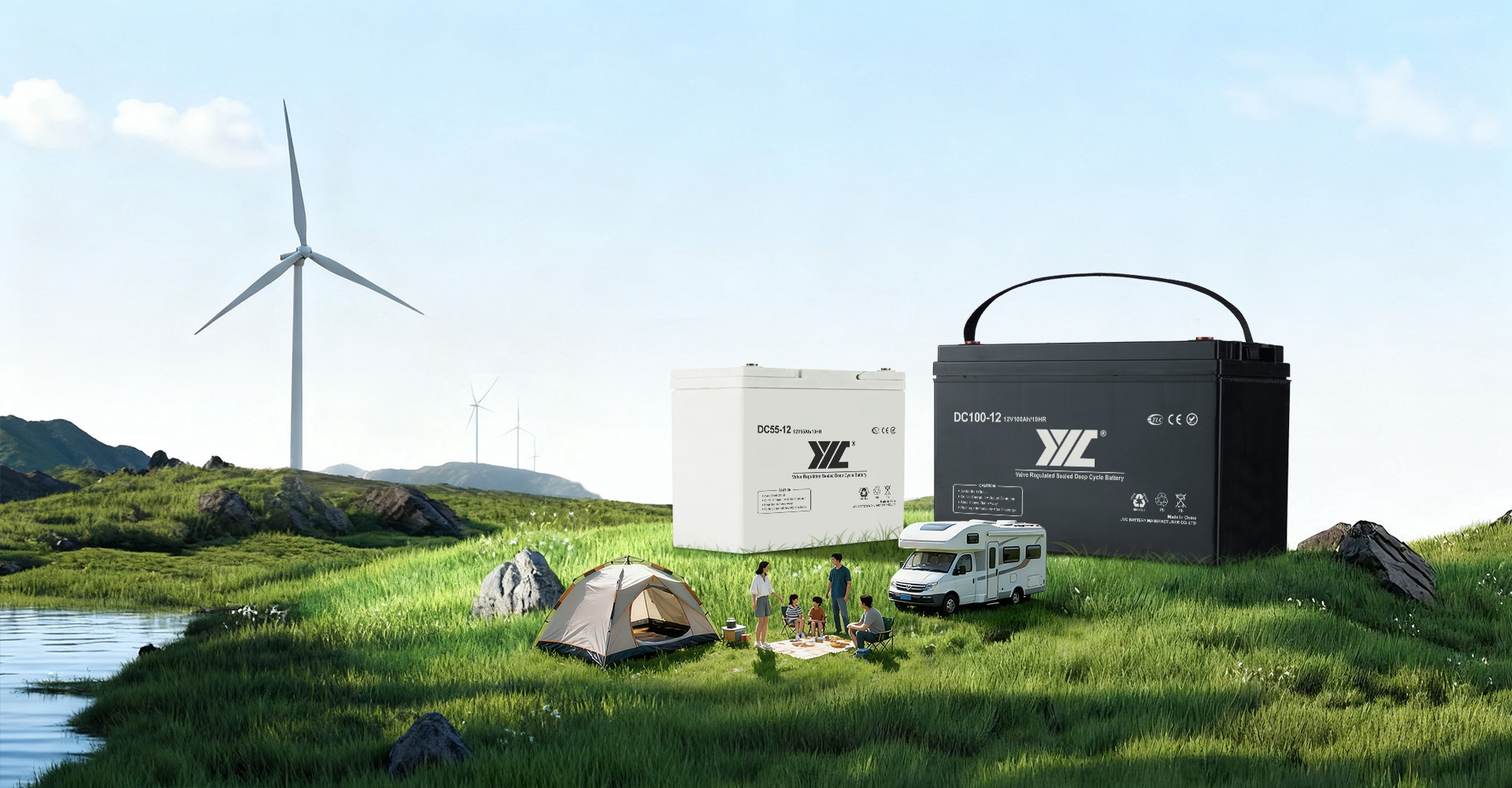
Batteries for energy storage are long-cycle, high-capacity energy storage devices specifically designed for large-scale energy storage scenarios. Their core function is to store surplus electricity from the power grid and electricity generated by new energy sources, and release it on demand, through the reversible conversion of "electrical energy to chemical energy". They are adapted to working conditions such as long-duration discharge, high-frequency cycling, and complex operating environments, and serve as core energy storage components for new energy consumption and power grid peak shaving and frequency regulation.
Energy Storage Systems: The Intelligent Hub of Modern Energy
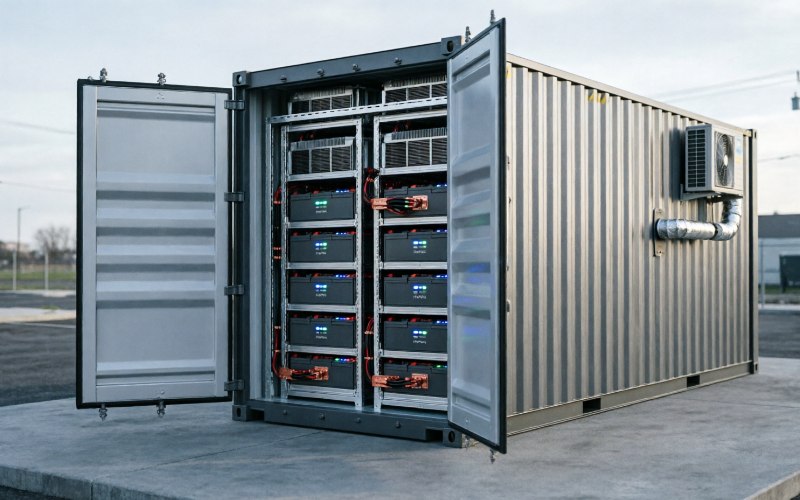
Energy storage systems (ESS) are comprehensive solutions for energy storage, release, and management. By "shifting peak loads to off-peak periods" and "smoothing output fluctuations," they have become a critical component of new-type power systems, effectively improving energy utilization efficiency and power supply reliability.
Core Advantages of Energy Storage Systems
Cost-Effective & Efficient: Enables peak-valley arbitrage, effectively reducing electricity costs and improving energy utilization benefits.
Stable & Reliable: Provides uninterrupted power support to ensure the safe operation of critical loads.
Intelligent Regulation: Optimizes charging and discharging strategies through AI algorithms to enhance overall system efficiency.
Safe & Durable: Multiple protection designs guarantee safe and stable operation throughout the system's entire lifecycle.
Green & Environmentally Friendly: Promotes the consumption of renewable energy, supporting the goals of carbon peaking and carbon neutrality.
Core Functions
Energy Time Shifting: Stores surplus electricity during low-demand periods and releases it during peak consumption hours.
Frequency Regulation: Rapidly responds to power grid demands to maintain stable system operation.
Backup Power Supply: Provides emergency power support to ensure uninterrupted supply for critical loads.
Renewable Energy Integration: Smoothes the intermittent output of wind, solar, and other renewable energy sources.
Main Technical Routes
Electrochemical Energy Storage
Lithium-Ion Batteries: Fast response speed and high energy density.
Lead-Carbon Batteries: Cost-effective with excellent safety performance.
Flow Batteries: Long lifespan and easy scalability.
Physical Energy Storage
Pumped Hydro Storage: Large capacity and mature technology.
Compressed Air Energy Storage (CAES): Large-scale application and long service life.
Flywheel Energy Storage: High power output and rapid response.
System Composition
Battery Units: Core components for energy storage.
PCS (Power Conversion System): Enables AC-DC conversion.
BMS (Battery Management System): Ensures safe operation of batteries.
EMS (Energy Management System): Intelligent dispatching and energy management.
Core Value
Centered on intelligent energy management, it provides users with safe, economical, and efficient energy optimization solutions, comprehensively improving power consumption quality and energy efficiency.
Get In Touch With JYC
Get in Touch with
TOP