This is more than just a series of products; it is an ecosystem we have built to achieve a more efficient, reliable, and sustainable energy future. Discover how our products and solutions can create t...
Our Industrial Batteries combine high-quality materials, robust design, and dependable performance. With excellent deep-cycle capability and easy maintenance, they are ideal for diverse applications. ...
JYC Transportation batteries are a category of power storage devices specifically designed for transportation scenarios, with core functions of providing continuous, stable, and high-efficiency power ...
JYC Motive Power batteries are deep-cycle energy storage devices specifically designed for industrial and commercial vehicles and specialized equipment. Their core function is to provide continuous an...
Based on the low-carbon concept, and thanks to the competitiveness of energy storage technology, lithium applications in various systems will be gradually realized globally. JYC Lithium Battery Soluti...
Focus on company news, product updates and market events. We provide continuous updates to bring you first-hand information, helping you stay informed about our development progress at all times.
For solar system integrators and EPC contractors, the choice between AGM vs. Lithium battery technology is no longer just about upfront cost—it is a calculation of Levelized Cost of Energy (LCOE), system reliability, and maintenance logistics. As a Senior Electrochemical Engineer at JYC Battery, I have analyzed thousands of storage scenarios ranging from remote telecom towers to residential hybrid inverters. While Lithium Iron Phosphate (LiFePO4) is rapidly capturing market share, Absorbent Glass Mat (AGM) Lead-Acid remains a critical solution for specific use cases.
This technical guide provides a deep-dive comparison to assist B2B buyers in selecting the optimal energy storage chemistry for their specific application, backed by JYC Battery's 20+ years of manufacturing expertise in both technologies.
The Electrochemical Core: Understanding the Fundamental Differences
To make an informed decision, we must first look at the electrochemistry driving these storage mediums.
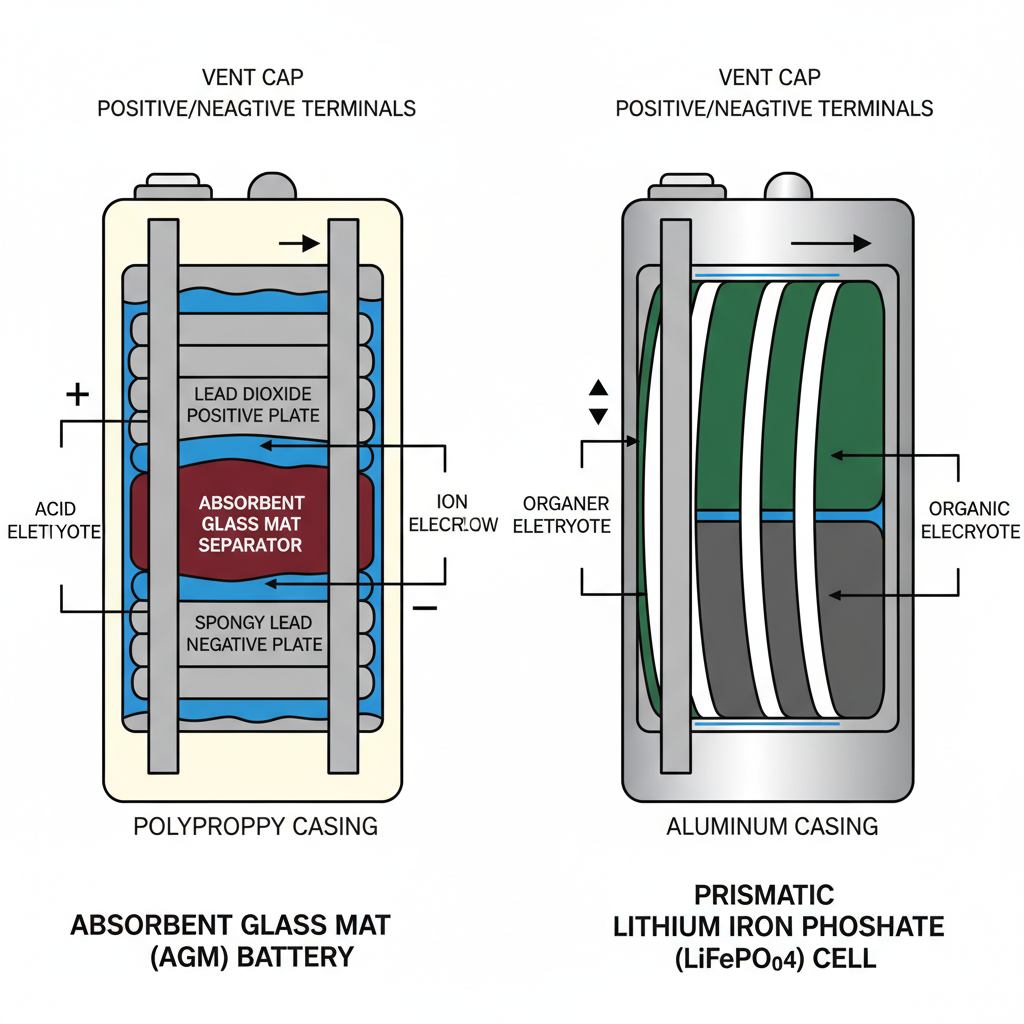
AGM (Absorbent Glass Mat) Technology
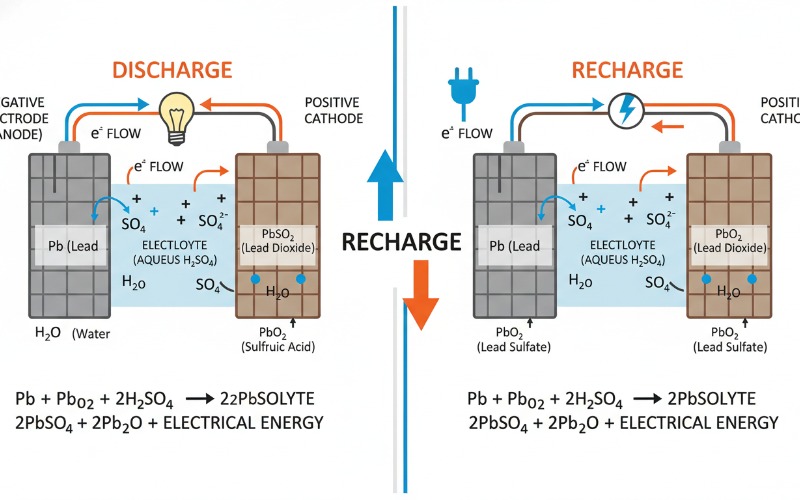
AGM is a sealed lead-acid (VRLA) technology where the electrolyte is absorbed into a fiberglass mat separator. This facilitates the internal recombination of hydrogen and oxygen, making the battery maintenance-free. At JYC Battery, we utilize a proprietary lead-calcium-tin alloy grid structure to minimize corrosion and enhance conductivity.
Pros: Mature technology, excellent high-current surge capability, functions well in freezing temperatures (charging performance degrades less than Lithium below 0°C without heating elements), and lower initial CAPEX.
Cons: Susceptible to sulfation if left in a Partial State of Charge (PSOC), heavily affected by Peukert’s Law (capacity decreases as discharge rate increases).
Lithium Iron Phosphate (LiFePO4) Technology
Modern LiFePO4 batteries rely on the movement of lithium ions between the cathode (LFP) and anode (Graphite). Unlike lead-acid, this reaction involves intercalation rather than a chemical phase change of the electrodes, resulting in significantly higher structural integrity over time.
Pros: High energy density (Wh/kg), flat discharge voltage curve, 98%+ round-trip efficiency, and massive cycle life advantages.
Cons: Requires a Battery Management System (BMS) for protection against thermal runaway and cell imbalance; higher upfront cost.
Cycle Life and Depth of Discharge (DOD): The LCOE Factor
For a solar integrator, the most critical metric is the total energy throughput over the battery's life. This is where the AGM vs. Lithium battery debate shows the starkest contrast.
A standard Deep Cycle AGM battery typically delivers 400–600 cycles at 50% DOD. However, discharge beyond 50% significantly accelerates grid corrosion and active material shedding. In contrast, JYC's Lithium-ion series offers 4,000–6,000 cycles at 80% DOD.
Metric
JYC Deep Cycle AGM
JYC LiFePO4 (Lithium)
Nominal Voltage
12V / 2V
12.8V / 48V / 51.2V
Cycle Life @ 50% DOD
~600 Cycles
~8,000+ Cycles
Cycle Life @ 80% DOD
~400 Cycles
4,000 - 6,000 Cycles
Round Trip Efficiency
80-85%
96-98%
Weight (100Ah 12V)
~30 kg
~12 kg
Usable Capacity
50% Recommended
90-100% Permissible
Table 1: Technical Performance Comparison of JYC AGM vs. Lithium Batteries
The ROI Conclusion: While the Lithium battery may cost 2-3x more upfront, it delivers up to 10x the cycle life. For daily cycling applications (like residential solar self-consumption), the cost per kWh per cycle is significantly lower with Lithium.
Charging Efficiency and Peukert’s Law
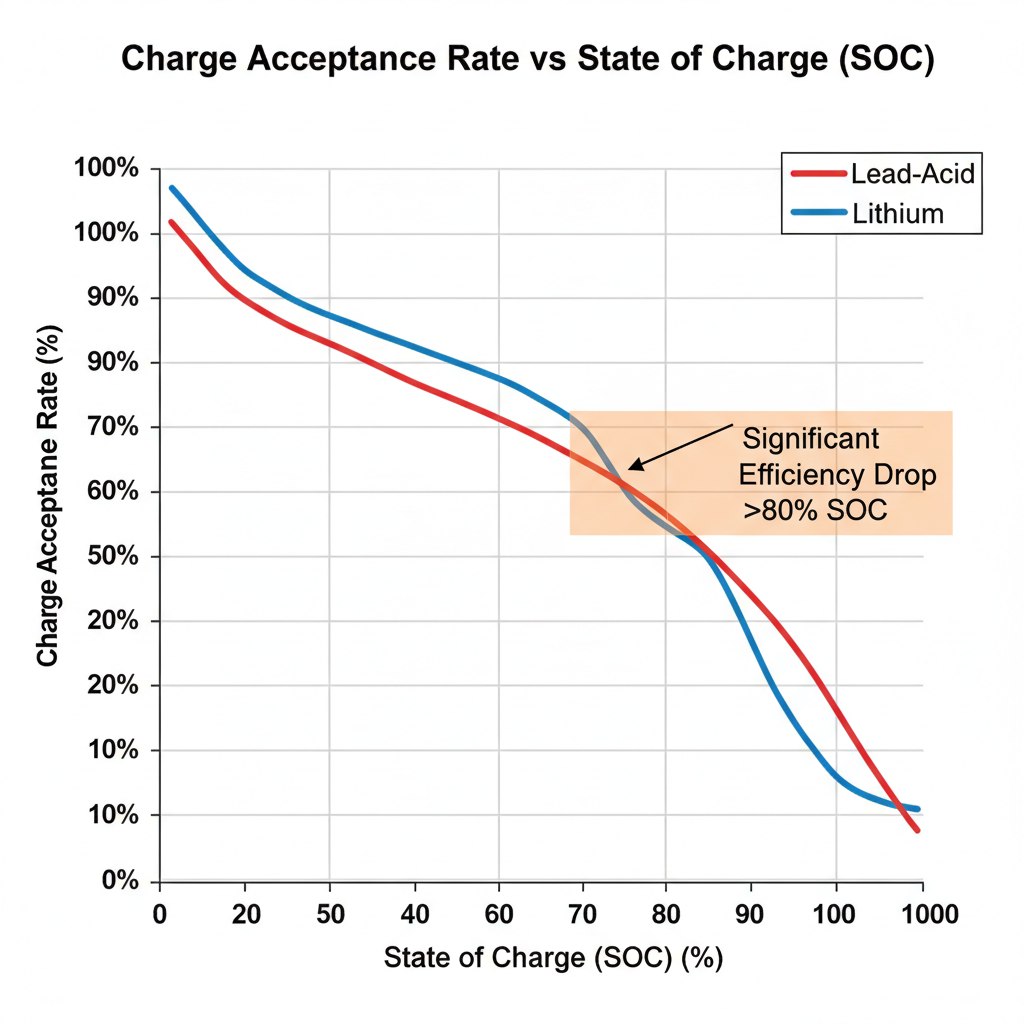
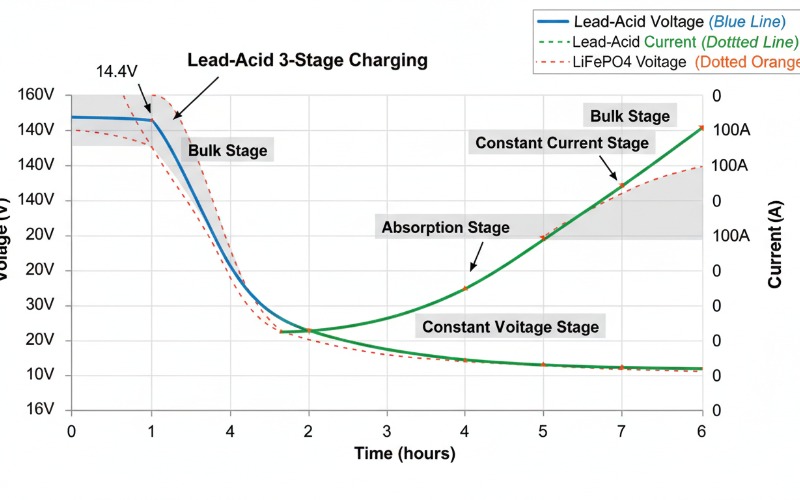
Solar irradiance is variable, making charge efficiency vital. Lead-acid batteries suffer from the Peukert Effect. As the discharge rate increases, the effective capacity of the battery decreases significantly. Furthermore, during the final 20% of the charge cycle (absorption phase), lead-acid batteries accept charge very slowly due to internal resistance increase, wasting potential solar harvest.
Conversely, our LiFePO4 solutions maintain a linear charge acceptance. They can absorb high current (up to 1C, though 0.5C is recommended) right up to near-full capacity. This allows integrators to size the solar array more efficiently, knowing that the battery can capture peak solar production without "throttling" energy intake.
Application Suitability: When to Choose Which?
Despite the dominance of Lithium in performance metrics, our Lead-Acid Battery division remains highly active. Why? Because not every application requires 6,000 cycles.
1. Standby & Emergency Backup (UPS)
Verdict: AGM. For data centers or emergency lighting where the battery floats 99% of the time and cycles rarely, the high cycle life of Lithium is an unnecessary expense. High-rate discharge AGM batteries are superior here due to lower CAPEX and proven safety records in float service.
2. Off-Grid Cabins & RVs (Occasional Use)
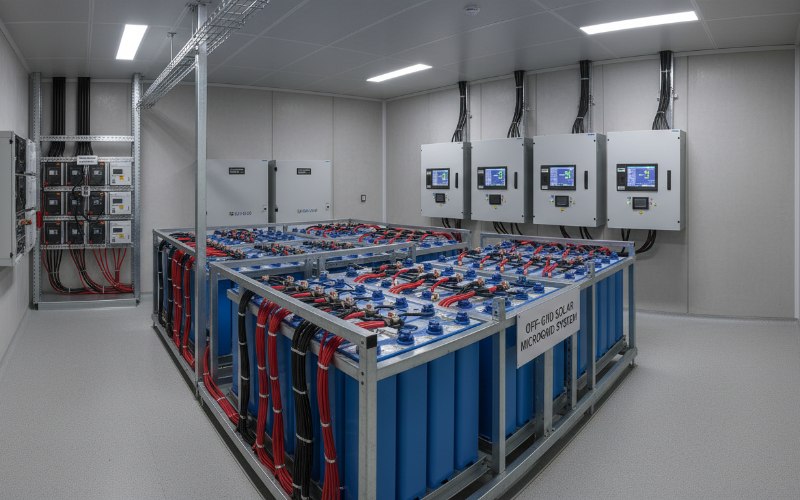
Verdict: Mixed. If the system is used seasonally (e.g., a few weeks a year), AGM is cost-effective. However, if weight is a concern (Marine/RV), Lithium's energy density (Wh/kg) makes it the winner.
3. Residential & Commercial Solar Storage (Daily Cycling)
Verdict: Lithium. For any application requiring daily charging and discharging (peak shaving or self-consumption), LiFePO4 is mandatory for long-term ROI. Using AGM here will result in battery replacement every 2-3 years, drastically inflating the TCO.
Manufacturing Excellence: The JYC Advantage
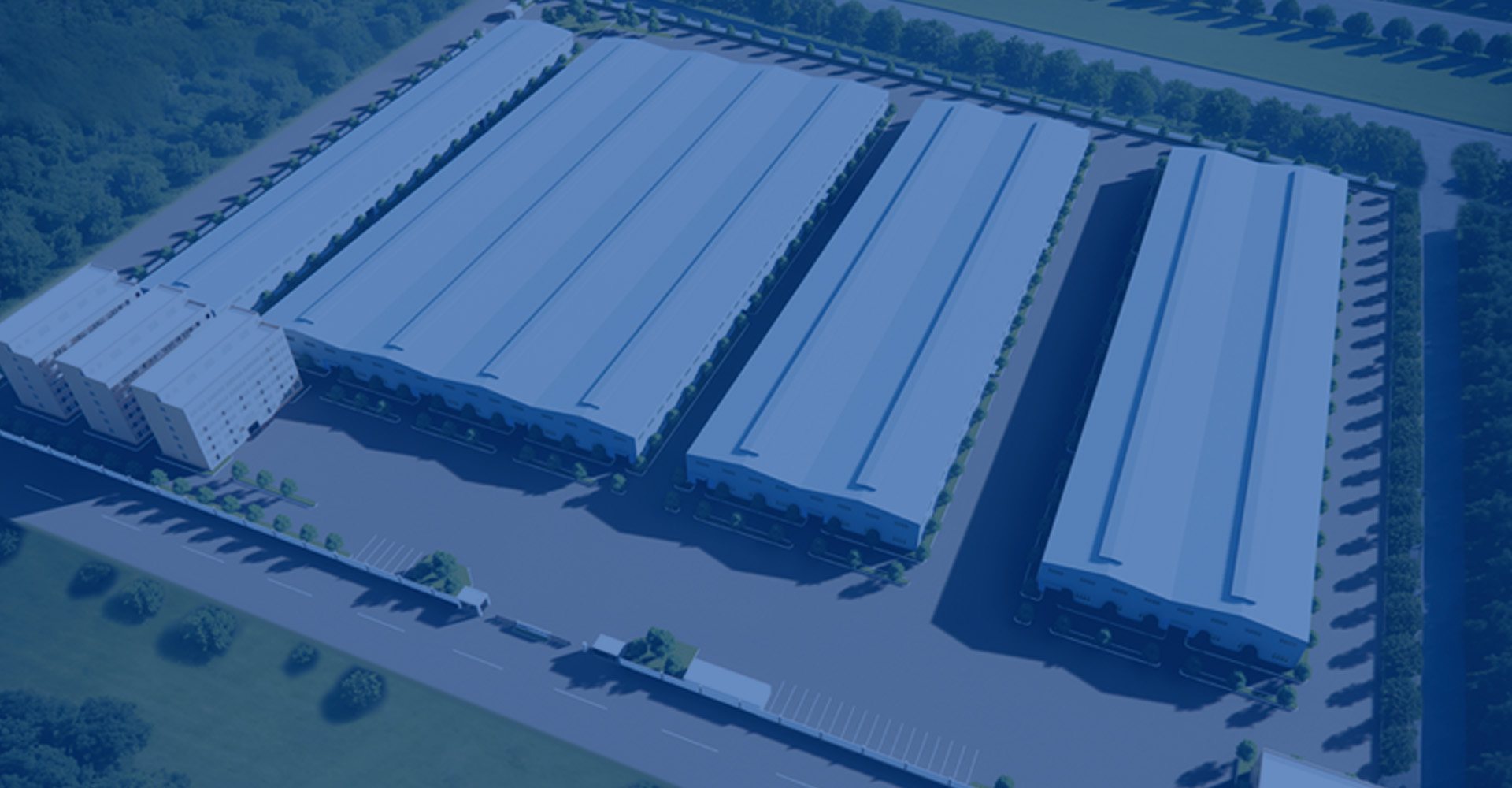
At JYC Battery, we do not simply assemble cells; we engineer power solutions. Our 100,000 sqm manufacturing base utilizes fully automated production lines to ensure cell-to-cell consistency—a critical factor for both high-voltage UPS strings and parallel Lithium banks.
For AGM: We use punched grid technology which improves corrosion resistance and consistency compared to traditional gravity casting.
For Lithium: Our packs feature automotive-grade LiFePO4 cells integrated with smart BMS that communicates directly with major inverter brands (Growatt, Victron, Deye, etc.).
Conclusion
The debate between AGM vs. Lithium battery technology is settled by defining the mission profile. If your client needs low-cost standby power, JYC's VRLA AGM series is the industry standard. If the goal is high-throughput solar cycling with a 10-15 year service life, our LiFePO4 solutions offer unbeatable value.
Are you an integrator looking to optimize your battery procurement strategy? Contact our engineering team today to discuss your project requirements and receive a custom competitive analysis.






 en
en  ara
ara  de
de  fra
fra  kor
kor  ru
ru  spa
spa  vie
vie