This is more than just a series of products; it is an ecosystem we have built to achieve a more efficient, reliable, and sustainable energy future. Discover how our products and solutions can create t...
Our Industrial Batteries combine high-quality materials, robust design, and dependable performance. With excellent deep-cycle capability and easy maintenance, they are ideal for diverse applications. ...
JYC Transportation batteries are a category of power storage devices specifically designed for transportation scenarios, with core functions of providing continuous, stable, and high-efficiency power ...
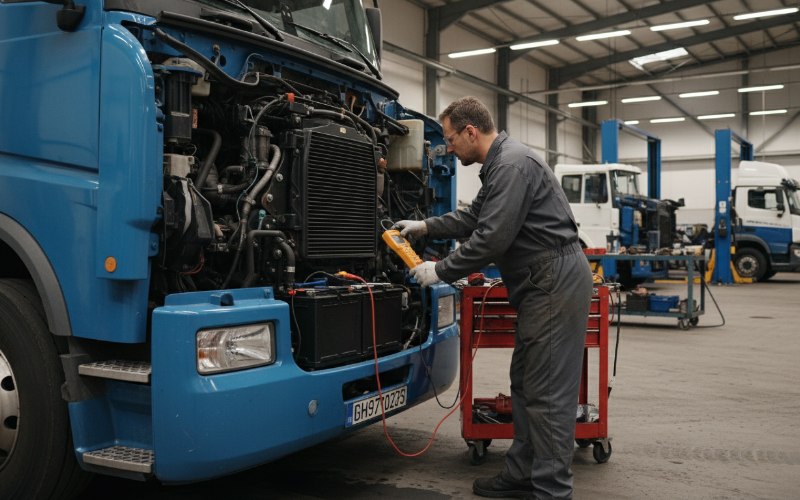
JYC Motive Power batteries are deep-cycle energy storage devices specifically designed for industrial and commercial vehicles and specialized equipment. Their core function is to provide continuous an...
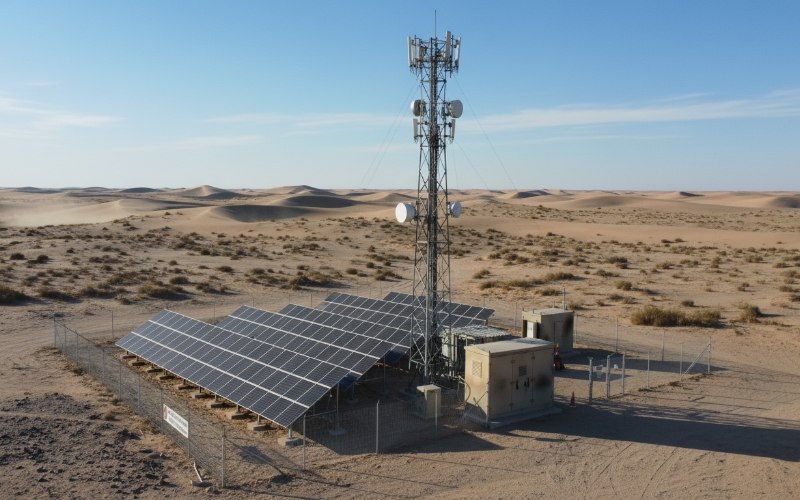
Based on the low-carbon concept, and thanks to the competitiveness of energy storage technology, lithium applications in various systems will be gradually realized globally. JYC Lithium Battery Soluti...
Focus on company news, product updates and market events. We provide continuous updates to bring you first-hand information, helping you stay informed about our development progress at all times.
Arrhenius Equation: Heat Impact on UPS Battery Life
2026-01-31 09:45:34
Key Takeaways
The Arrhenius Law: Chemical reaction rates roughly double for every 10°C increase in temperature, effectively halving the service life of electrochemical storage systems.
Mechanism of Failure: Elevated temperatures accelerate grid corrosion and electrolyte dry-out in Lead-Acid batteries, while degrading the SEI layer in Lithium-ion cells.
Economic Impact: Ignoring thermal management increases Levelized Cost of Energy (LCOE) through premature replacement cycles and increased risks of catastrophic thermal runaway.
Mitigation: Implementing temperature-compensated charging voltages and transitioning to high-temperature tolerant LiFePO4 chemistries are critical for modern infrastructure.
For facility maintenance directors and data center infrastructure planners, the reliability of Uninterruptible Power Supply (UPS) systems is non-negotiable. While capacity testing and routine maintenance are standard protocols, the single most destructive variable in battery fleet management is often the most overlooked: ambient temperature.
Heat does not merely reduce performance; it fundamentally alters the electrochemical kinetics within the cell. Through the lens of the Arrhenius Equation, we can mathematically quantify how heat-induced degradation shortens the lifespan of energy storage assets. This article explores the chemical reality of thermal stress, contrasting the resilience of traditional Lead-Acid technologies against modern Lithium-ion solutions, and provides actionable data for mitigating risk.
The Physics of Decay: Defining the Arrhenius Equation
Svante Arrhenius, a Nobel laureate chemist, formulated an equation that describes the temperature dependence of reaction rates. In the context of battery engineering, this equation explains why batteries fail faster in hot environments.
The Arrhenius Equation: k = A * e^(-Ea / RT)
Where:
k is the rate constant (speed of degradation).
A is the pre-exponential factor (frequency of molecular collisions).
Ea is the activation energy required for the reaction.
R is the universal gas constant.
T is the absolute temperature (in Kelvin).
The Practical "Rule of 10"
While the raw equation is complex, the electrochemical industry applies a simplified rule of thumb derived from it: For every 8.3°C to 10°C (15°F to 18°F) rise in operating temperature above the rated specification (usually 20°C or 25°C), the chemical reaction rate doubles, and the battery service life is cut in half.
This is not a linear degradation; it is exponential. A VRLA battery designed for 10 years at 25°C will not last 8 years at 35°C—it will likely fail in under 5 years.
Quantifying Life Expectancy Loss
To visualize the severity of heat-induced degradation, we must look at the projected service life of standard AGM (Absorbent Glass Mat) batteries under continuous thermal stress. The table below illustrates the dramatic reduction in ROI caused by inadequate cooling.
Ambient Temperature
Chemical Reaction Rate Multiplier
Expected Service Life (10-Year Design Block)
Status
20°C (68°F)
1.0x (Baseline)
10 Years
Optimal
30°C (86°F)
2.0x
5 Years
Significant Reduction
40°C (104°F)
4.0x
2.5 Years
Critical Failure Risk
50°C (122°F)
8.0x
1.25 Years
Imminent Thermal Runaway
Table 1: The exponential impact of temperature on VRLA battery service life based on Arrhenius principles.
For facility directors, this data highlights a crucial trade-off: the cost of precision cooling (HVAC) versus the Capital Expenditure (CAPEX) of premature battery replacement.
Chemical Mechanisms of Heat Degradation
Understanding that heat kills batteries is common knowledge; understanding how it happens allows for better technology selection.
1. Positive Grid Corrosion (Lead-Acid)
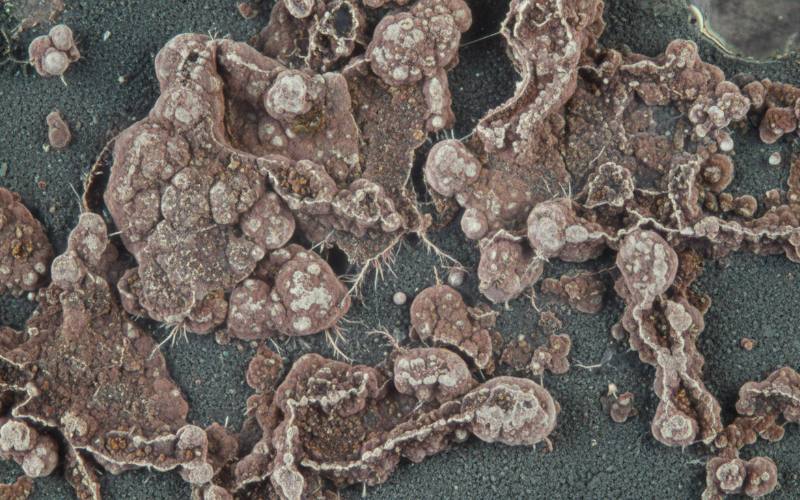
In Lead-Acid batteries, the positive grid is composed of lead alloy. During float charging, a slow oxidation process converts the outer layer of the lead grid into lead dioxide. Elevated temperatures accelerate this oxidation.
As the grid corrodes, two things happen:
Conductivity Loss: The cross-sectional area of the lead conductor decreases, increasing internal resistance.
Physical Expansion: Lead dioxide occupies more volume than pure lead. This "plate growth" can warp the internal structure, causing shorts or cracking the battery case.
2. Electrolyte Dry-Out (VRLA)
Valve-Regulated Lead-Acid (VRLA) batteries rely on a recombination cycle where oxygen and hydrogen recombine into water. Heat increases the internal pressure. If the pressure exceeds the valve's opening threshold, gas vents into the atmosphere. This water loss is irreversible. As the electrolyte dries out, the battery's capacity plummets, and its internal resistance spikes, creating a feedback loop of heating.
3. SEI Decomposition (Lithium-ion)
While Lithium-ion batteries (specifically LiFePO4) are more resilient to heat than lead-acid, they are not immune. The Solid Electrolyte Interphase (SEI) is a protective layer on the anode. Excessive heat (typically above 45°C-50°C) causes the SEI layer to decompose and reform continuously.
This process consumes active lithium ions, permanently reducing capacity. Furthermore, extreme heat can lead to separator shrinkage, potentially causing internal short circuits.
Thermal Runaway: The Ultimate Failure Mode
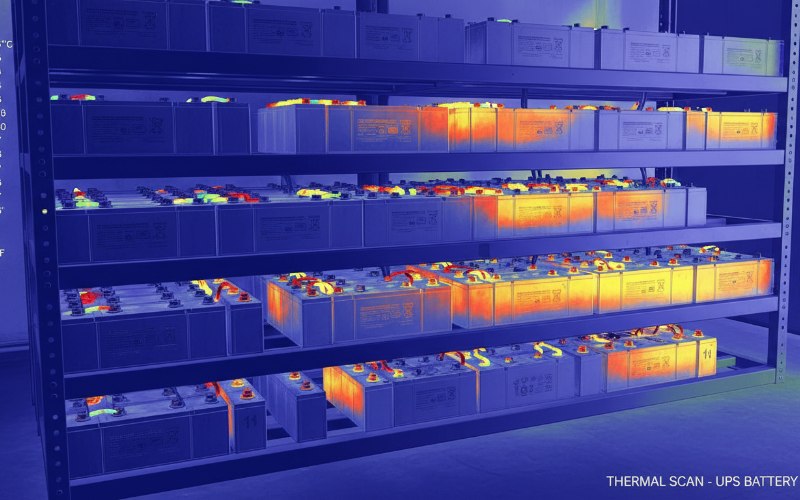
The most dangerous consequence of Arrhenius-driven degradation is thermal runaway. This occurs when the heat generated within the battery exceeds its ability to dissipate that heat into the environment.
The Cycle of Destruction:
High Ambient Temp: Raises internal battery temperature.
Float Current Increase: As temperature rises, the electrochemical resistance drops (initially), allowing more float current to pass through the cell if the charger is not temperature-compensated.
Internal Heating: Increased current generates more internal Joule heating ($I^2R$).
Feedback Loop: The internal heat further lowers resistance, drawing even more current, until the electrolyte boils, the plastic casing melts, or the cell catches fire.
Mitigation Strategies for Facility Directors
Given the inevitability of thermodynamics, how can infrastructure planners protect their UPS assets?
1. Temperature Compensated Charging
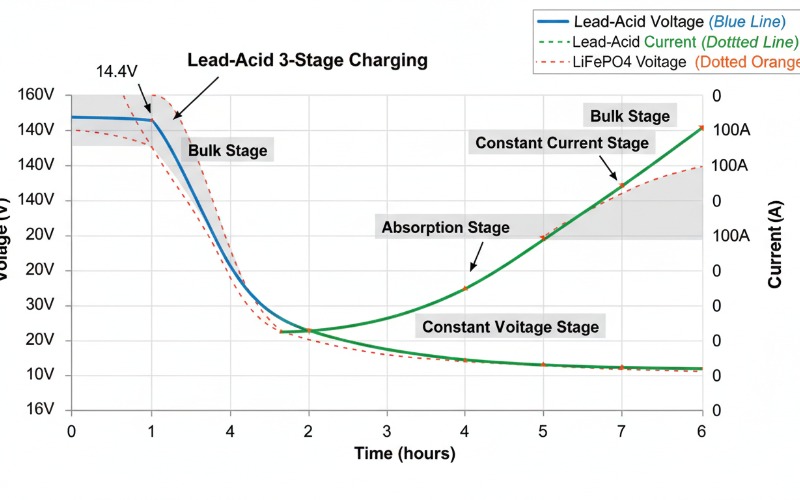
This is the most critical software-based defense. Modern UPS chargers and rectifiers must be equipped with thermal probes attached to the battery terminals (not just measuring ambient air). The charger should adjust the float voltage inversely to temperature.
Standard Compensation Rate: -3mV per cell per °C deviation from 25°C.
If the temperature rises to 35°C (10°C rise), the voltage should be reduced to prevent overcharging and thermal runaway.
If the temperature drops, voltage must increase to prevent sulfation.
2. Transitioning to LiFePO4 Chemistry
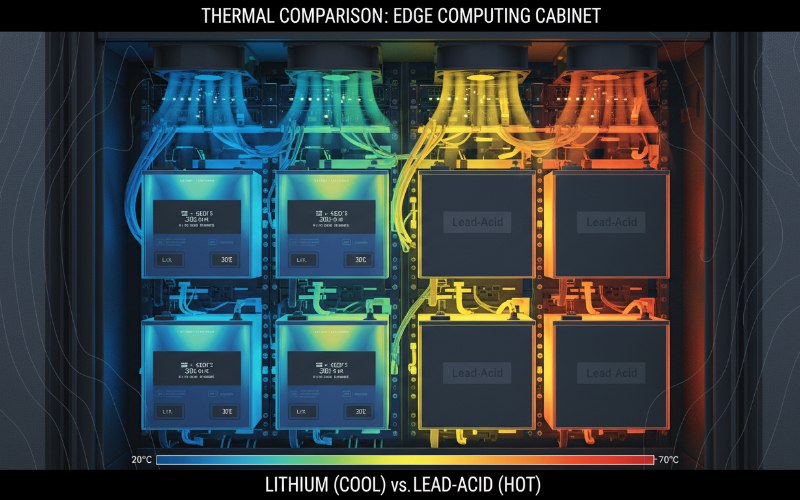
For sites where precision cooling is difficult or expensive (e.g., edge computing centers, outdoor telecom cabinets), transitioning to Lithium Iron Phosphate (LiFePO4) is a strategic move. JYC Battery's LiFePO4 modules are designed with broader operating temperature ranges (-20°C to 60°C) and do not suffer from the same mechanism of grid corrosion as lead-acid.
While LiFePO4 still degrades under heat according to Arrhenius principles, the baseline chemistry is far more robust, often retaining 80% capacity after thousands of cycles even at elevated temperatures where VRLA would fail within months.
3. Air Gap and Cabinet Design
Never pack battery blocks tightly together without air gaps. A minimum of 10mm between blocks is required to allow for convective cooling. In high-voltage UPS strings, the center cells are often the hottest because they are insulated by the outer cells. Ensure forced-air cooling systems circulate air through the shelves, not just over the front of the cabinet.
Conclusion: The Cost of Heat
The Arrhenius Equation serves as a mathematical warning: heat is the silent assassin of energy storage infrastructure. For facility directors, the choice is between investing in thermal management and monitoring systems or facing the unpredictability of premature battery failure. By utilizing temperature-compensated charging and considering advanced LiFePO4 solutions for harsh environments, organizations can break the cycle of degradation and ensure power continuity.
Frequently Asked Questions (FAQ)
Q: Does storing a battery in a cold room extend its life? A: Yes, storage at lower temperatures (e.g., 10°C-15°C) slows down the self-discharge rate significantly. However, batteries must be brought back to operating temperature before full-load discharge to ensure proper chemical reaction speeds and voltage support.
Q: Can I mix old and new batteries to manage heat degradation? A: No. Mixing batteries with different internal resistances (caused by varying levels of degradation) creates imbalances. The older, more resistant batteries will heat up faster, potentially dragging the new batteries into thermal runaway.
Q: Is the "10°C Rule" applicable to Lithium batteries? A: It applies generally to the chemical aging of the electrolyte and SEI layer, but Lithium batteries do not suffer from "drying out" or grid corrosion like Lead-Acid. Therefore, while calendar life is reduced by heat, the failure mode is capacity fade rather than catastrophic structural failure.







 en
en  ara
ara  de
de  fra
fra  kor
kor  ru
ru  spa
spa  vie
vie