This is more than just a series of products; it is an ecosystem we have built to achieve a more efficient, reliable, and sustainable energy future. Discover how our products and solutions can create t...
Our Industrial Batteries combine high-quality materials, robust design, and dependable performance. With excellent deep-cycle capability and easy maintenance, they are ideal for diverse applications. ...
JYC Transportation batteries are a category of power storage devices specifically designed for transportation scenarios, with core functions of providing continuous, stable, and high-efficiency power ...
JYC Motive Power batteries are deep-cycle energy storage devices specifically designed for industrial and commercial vehicles and specialized equipment. Their core function is to provide continuous an...
Based on the low-carbon concept, and thanks to the competitiveness of energy storage technology, lithium applications in various systems will be gradually realized globally. JYC Lithium Battery Soluti...
Focus on company news, product updates and market events. We provide continuous updates to bring you first-hand information, helping you stay informed about our development progress at all times.
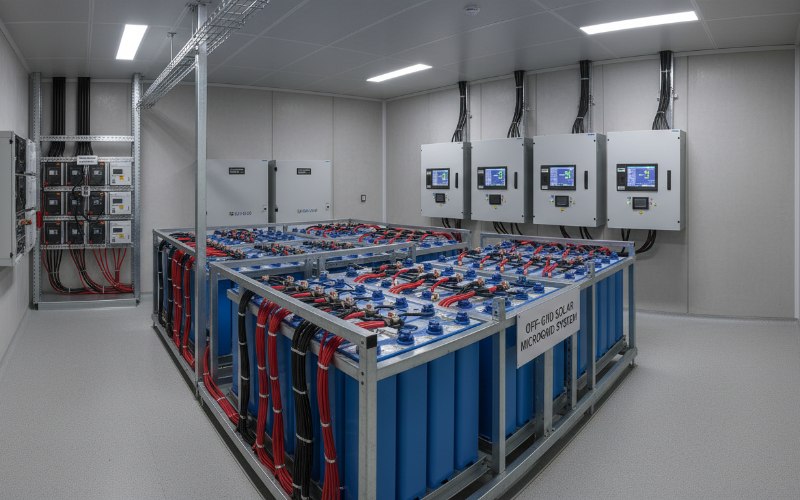
For Solar System Integrators and EPC contractors, the energy storage component represents a significant portion of the total project cost. While the industry is seeing a surge in LiFePO4 adoption, traditional lead-acid technology—particularly VRLA (AGM/GEL) and OPzV configurations—remains the backbone of cost-sensitive and ruggedized off-grid applications. However, the difference between a battery bank that lasts 3 years and one that lasts 8 years often comes down to one variable: lead acid battery maintenance protocols.
At JYC Battery, we manufacture millions of cells annually using advanced grid alloy technology. We understand that for an integrator, a failing battery bank means expensive truck rolls, warranty disputes, and reputation damage. This engineering-grade guide details the electrochemical and mechanical maintenance procedures required to maximize the Levelized Cost of Energy (LCOE) for your clients.
The Electrochemical Reality: Why Maintenance Matters
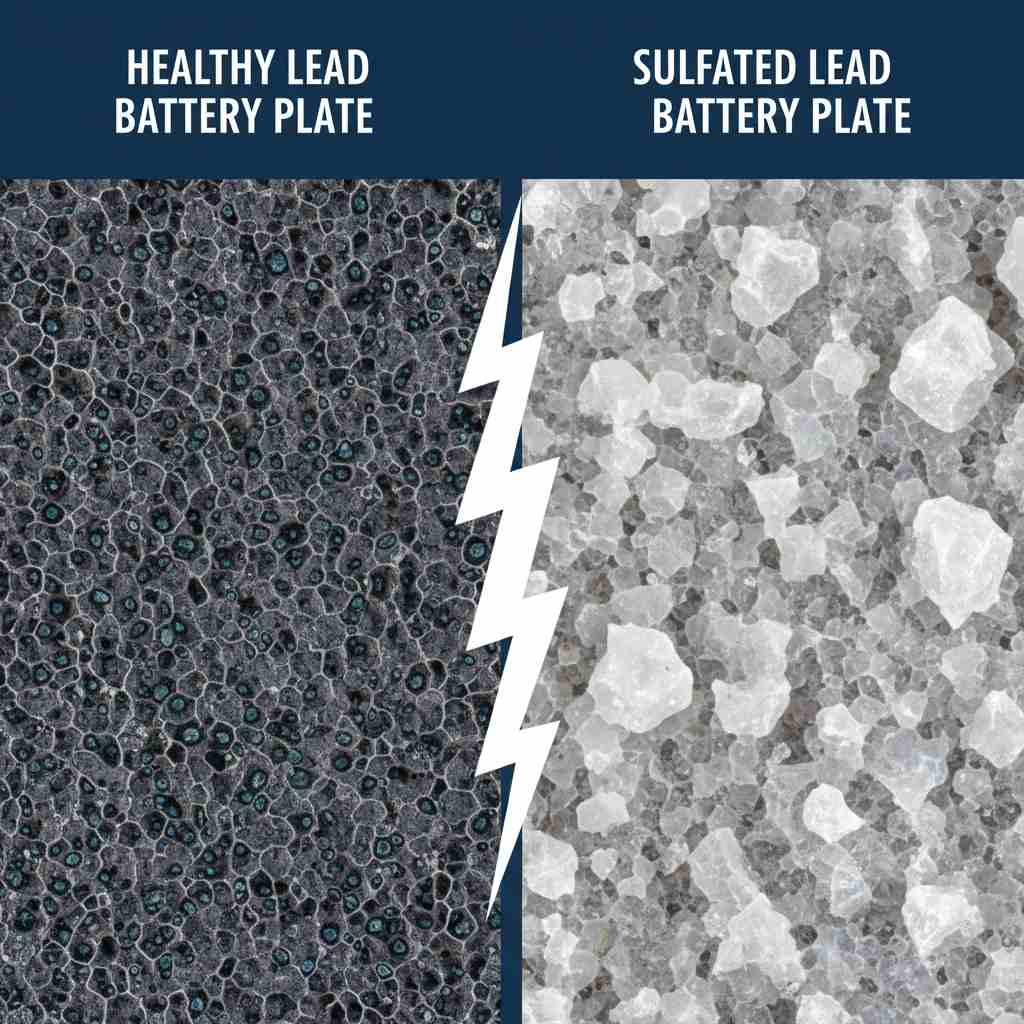
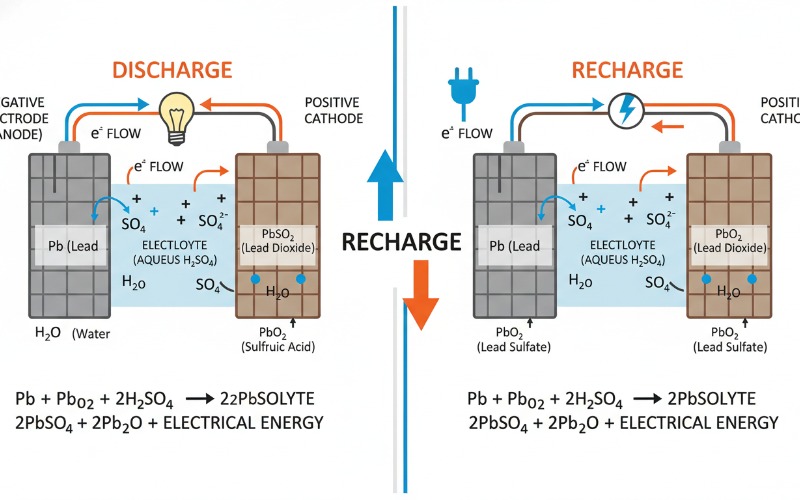
To implement effective maintenance, one must understand the failure modes. In deep-cycle solar applications, the primary enemy is sulfation. When a lead-acid battery discharges, lead sulfate ($PbSO_4$) forms on the plates. During a proper recharge cycle, this is converted back into lead and lead dioxide. However, if the battery remains in a partial state of charge (PSOC) for extended periods—common in solar setups with insufficient irradiance—the amorphous lead sulfate crystallizes.
Once crystallized, it becomes an electrical insulator, permanently reducing active material utilization and increasing internal resistance. Rigorous maintenance ensures that charging parameters are calibrated to prevent this irreversible degradation.
VRLA vs. Flooded: Distinct Maintenance Protocols
While JYC specializes in Valve Regulated Lead-Acid (VRLA) batteries (including AGM and GEL types) which are marketed as "maintenance-free," this term strictly refers to the fact that you do not add water. It does not mean they are "inspection-free."
Parameter
Flooded (Vented) Lead-Acid
VRLA (AGM / GEL)
Electrolyte Management
Requires distilled water top-up regularly.
Sealed; Oxygen Recombination Technology (99% efficiency). No watering.
Specific Gravity (SG)
Must be measured via hydrometer (Target: 1.280-1.300).
Cannot be measured directly; rely on Open Circuit Voltage (OCV) and Impedance.
Equalization Charging
Required periodically to mix electrolyte and remove sulfation.
Strictly Controlled. Excessive voltage causes outgassing and thermal runaway.
Terminal Retorquing
Essential annually.
Essential annually.
Comparison of maintenance requirements for Flooded vs. VRLA Solar Batteries.
The 5-Step Professional Maintenance Protocol
For system integrators managing O&M contracts, we recommend the following semi-annual procedure.
1. Visual Inspection and Environment Check
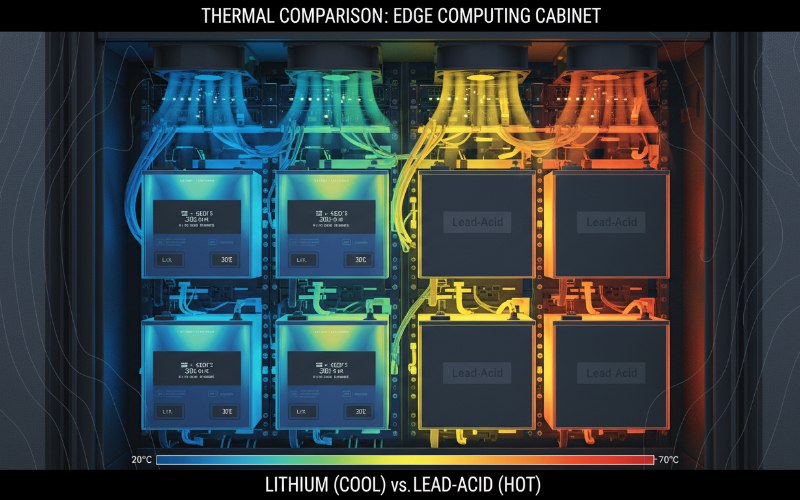
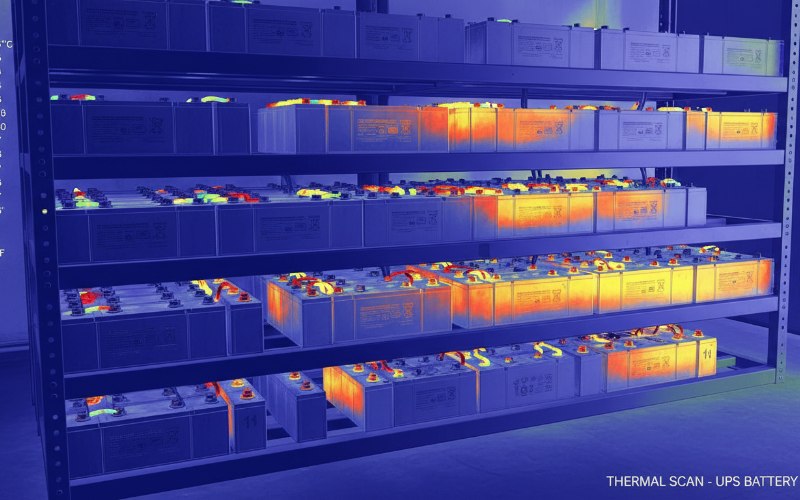
Before touching the terminals, inspect the physical condition of the bank. Look for bulging cases, which indicates internal pressure build-up from overcharging or blocked valves. Ensure the installation environment is temperature-controlled. Per the Arrhenius equation, for every 10°C rise above 25°C, battery life is halved. Ensure proper spacing between blocks (at least 10mm) to facilitate heat dissipation.
2. Torque and Connection Integrity
Thermal cycling causes metal expansion and contraction, loosening terminal connections over time. Loose connections increase resistance, creating hot spots that can melt terminals or cause fires. Use a calibrated torque wrench to tighten bolts to the manufacturer’s specification (typically 10-12 N·m for M8 terminals on JYC UPS batteries).
3. Voltage Variance Analysis
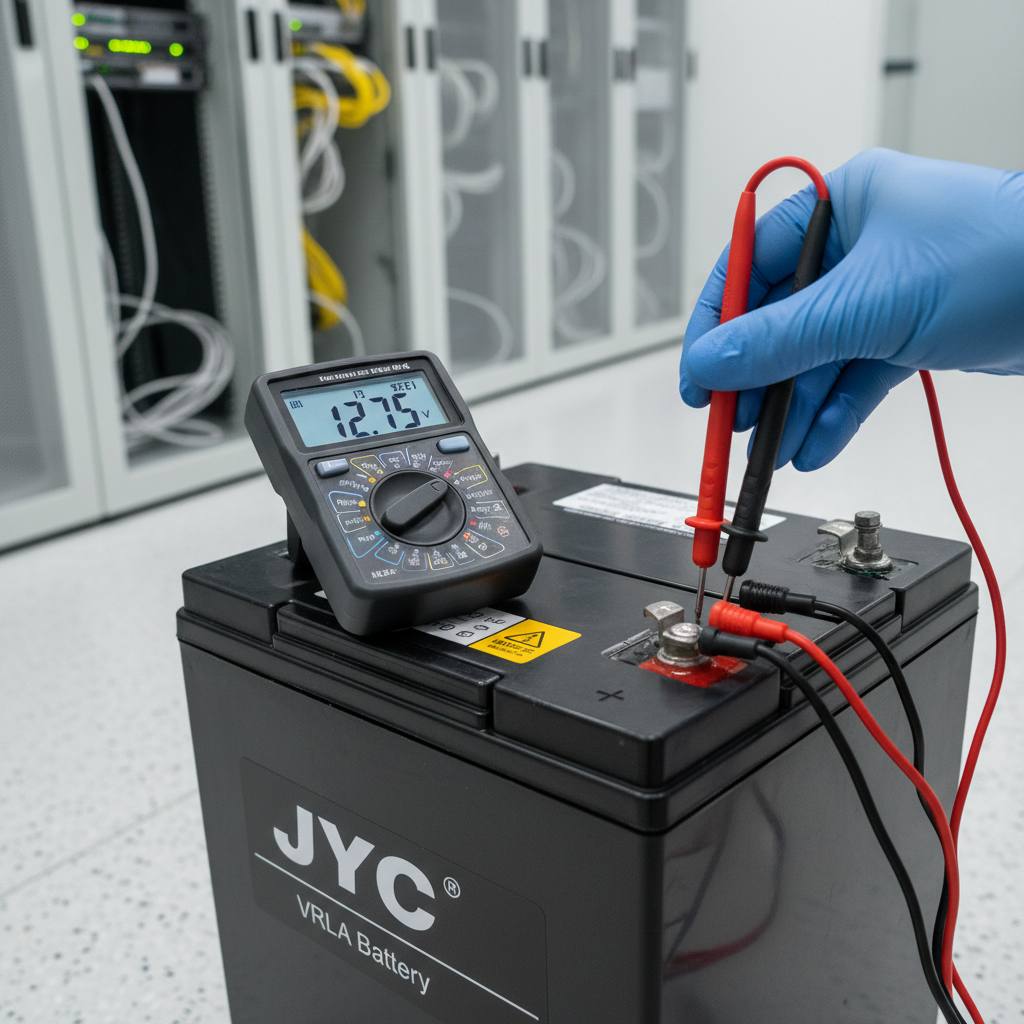
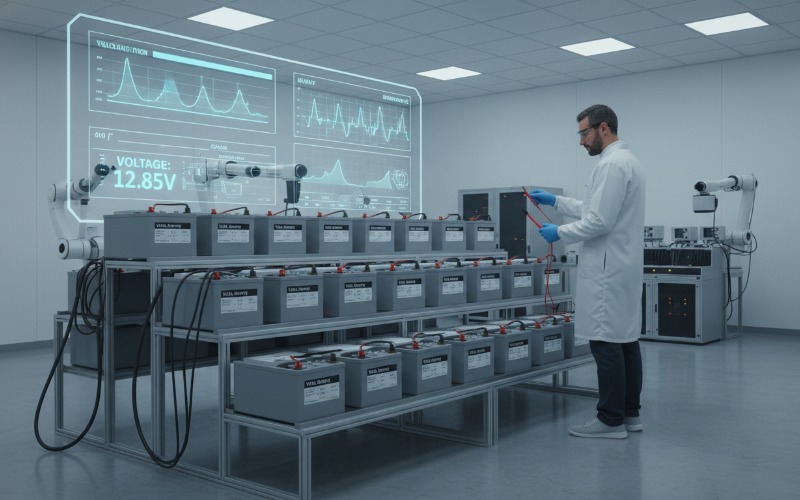
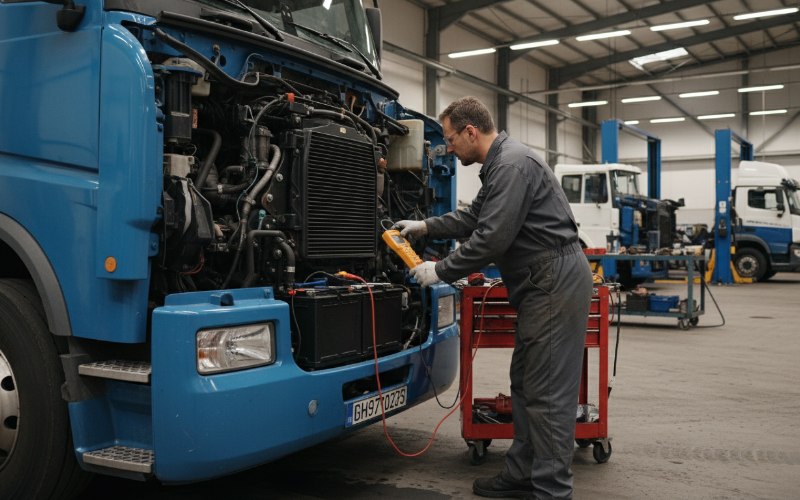
Measure the float voltage of individual blocks within the string. In a 48V system composed of four 12V blocks, voltages should be uniform.
Acceptable Variance: ±0.1V for 12V monoblocks.
Action: If a block is significantly lower, it may be sulfated or have a shorted cell. If significantly higher, it is being overcharged due to the lower resistance of failing neighbors.
4. Charging Parameter Calibration
The most critical maintenance step is verifying the solar charge controller settings. Drift in settings or incorrect initial programming is the #1 cause of failure.
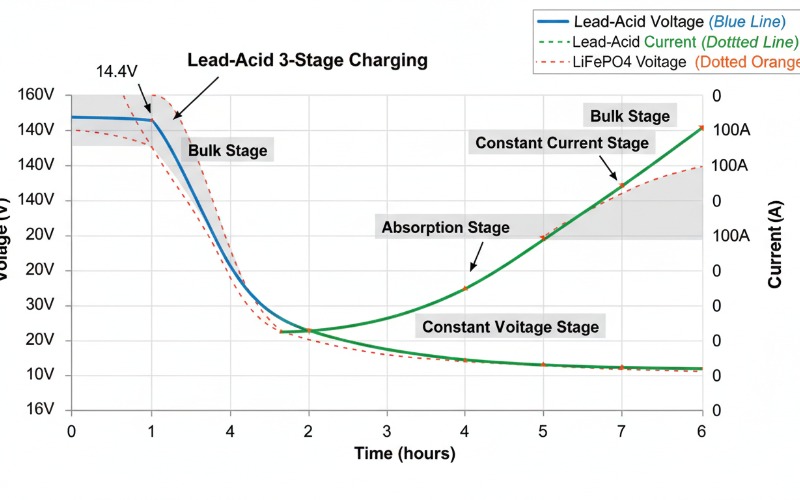
Float Voltage: Should be set to 13.5V–13.8V per 12V block at 25°C.
Absorption Voltage: Typically 14.4V–14.7V.
Temperature Compensation: Verify the sensor is attached to the battery bank (not the wall). The compensation factor should be approximately -3mV to -5mV per cell per °C. Without this, you risk undercharging in winter and thermal runaway in summer.
5. Capacity Testing (Optional but Recommended)
For critical infrastructure (like telecom or hospital backup), conduct a load test annually using a DC load bank. Discharge the battery to 80% Depth of Discharge (DOD) and measure the time it takes to reach the cutoff voltage. This provides the only true metric of Remaining Useful Life (RUL).
Troubleshooting Common Issues
Symptom: Rapid Voltage Drop Under Load Diagnosis: High internal resistance (sulfation) or a "soft short" in a cell. Remedy: Attempt a controlled equalization charge (for flooded) or a refresh cycle (for VRLA) if the charger supports pulse desulfation. If impedance remains high, replacement is necessary.
Symptom: Terminal Corrosion (White Powder) Diagnosis: Acid leakage around the post seal or off-gassing reaction with copper connectors. Remedy: Clean with a bicarbonate soda solution, wire brush to bright metal, reconnect, and apply petroleum jelly or terminal spray. JYC's GEL Batteries utilize patented post-sealing structures to minimize this risk.
The JYC Manufacturing Advantage: Lowering Maintenance Overhead
While maintenance is unavoidable for lead-acid chemistry, the quality of manufacturing dictates the frequency and severity of issues. JYC Battery reduces the maintenance burden for integrators through three core technologies:
High-Tin Grid Alloy: We use a proprietary Pb-Ca-Sn alloy that significantly reduces grid corrosion and self-discharge rates compared to standard recycled lead grids.
AGM Separator Technology: Our high-porosity separators ensure optimal electrolyte retention and oxygen recombination, preventing the "dry-out" failure mode common in inferior VRLA batteries.
Consistent Plate Curing: Our automated curing chambers ensure uniform active material pasting, which translates to balanced voltages across the bank—reducing the need for frequent equalization.
Conclusion: Protecting Your Solar Investment
For integrators, mastering lead-acid battery maintenance is not just about fixing batteries; it is about protecting the ROI of the entire solar installation. By following these testing protocols and ensuring proper charge controller settings, you can extend the service life of VRLA systems by years.
If your application requires zero-maintenance solutions with higher cycle life, consider exploring our Advanced Start-Stop battery or Lithium series. However, for cost-effective, proven energy storage, a well-maintained JYC lead-acid bank remains an unbeatable value proposition.
Need technical datasheets or a maintenance consultation for a large-scale project? Contact JYC Battery's engineering team today.






 en
en  ara
ara  de
de  fra
fra  kor
kor  ru
ru  spa
spa  vie
vie