This is more than just a series of products; it is an ecosystem we have built to achieve a more efficient, reliable, and sustainable energy future. Discover how our products and solutions can create t...
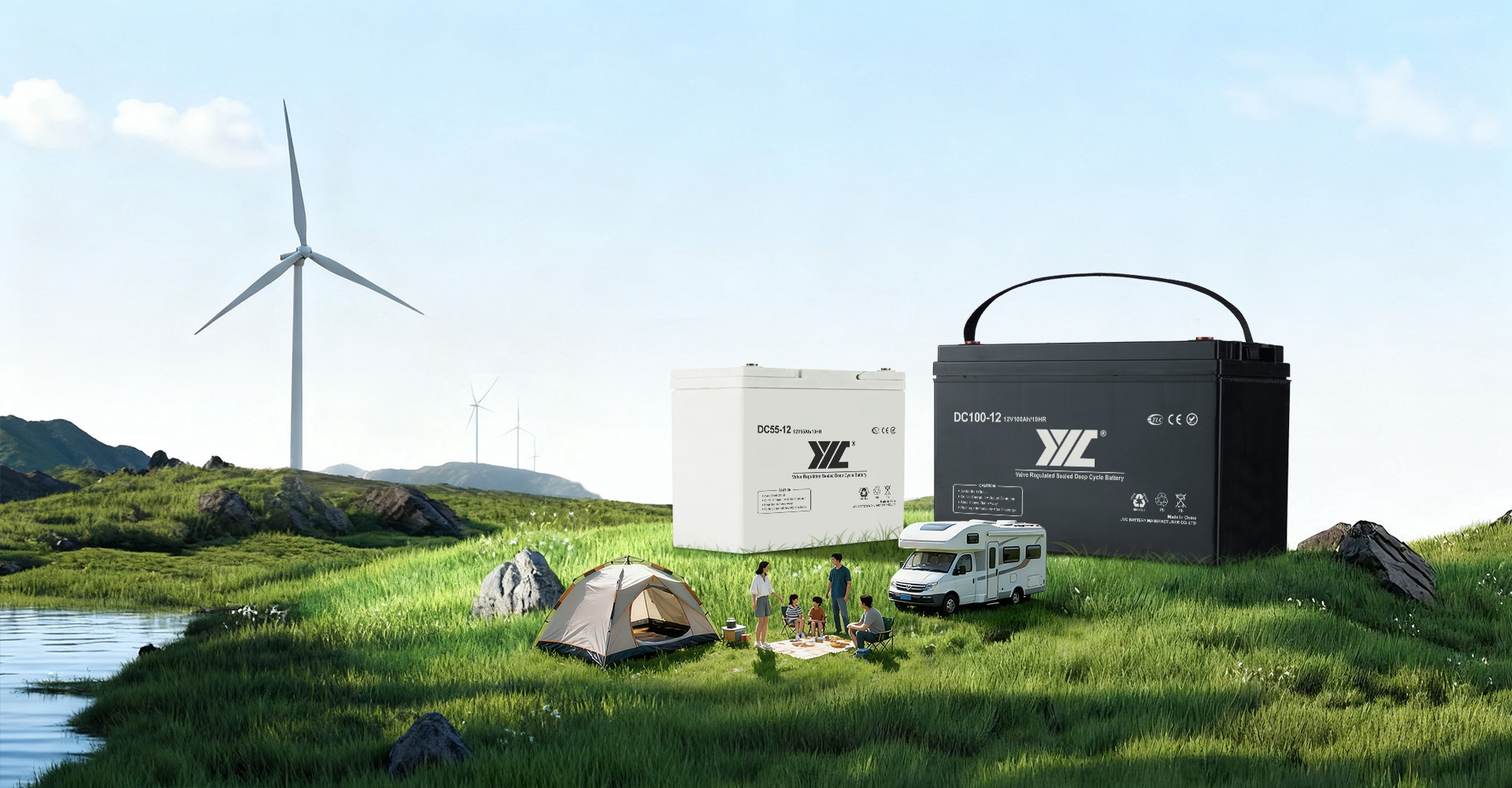
Our Industrial Batteries combine high-quality materials, robust design, and dependable performance. With excellent deep-cycle capability and easy maintenance, they are ideal for diverse applications. ...
JYC Transportation batteries are a category of power storage devices specifically designed for transportation scenarios, with core functions of providing continuous, stable, and high-efficiency power ...
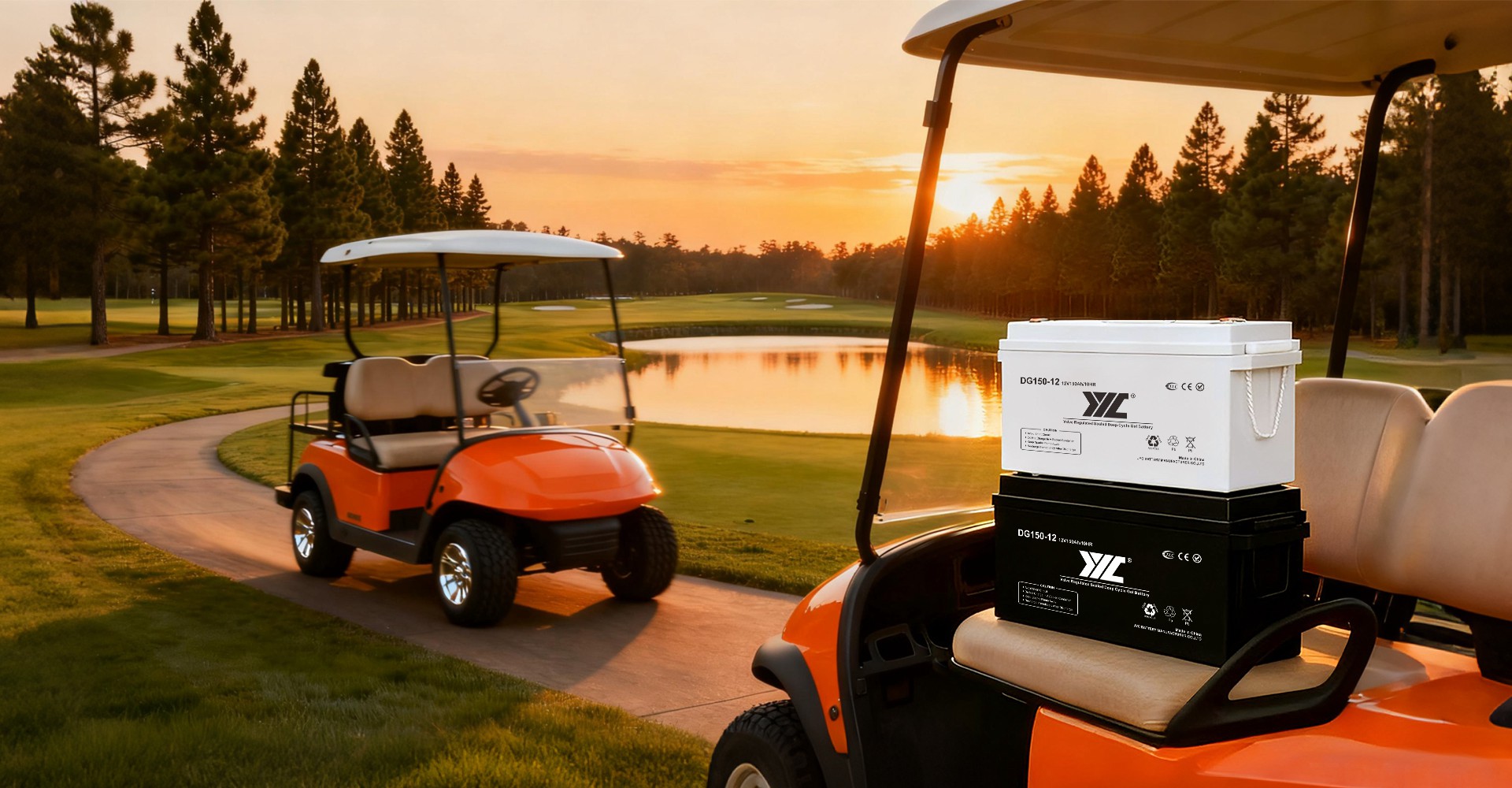
JYC Motive Power batteries are deep-cycle energy storage devices specifically designed for industrial and commercial vehicles and specialized equipment. Their core function is to provide continuous an...
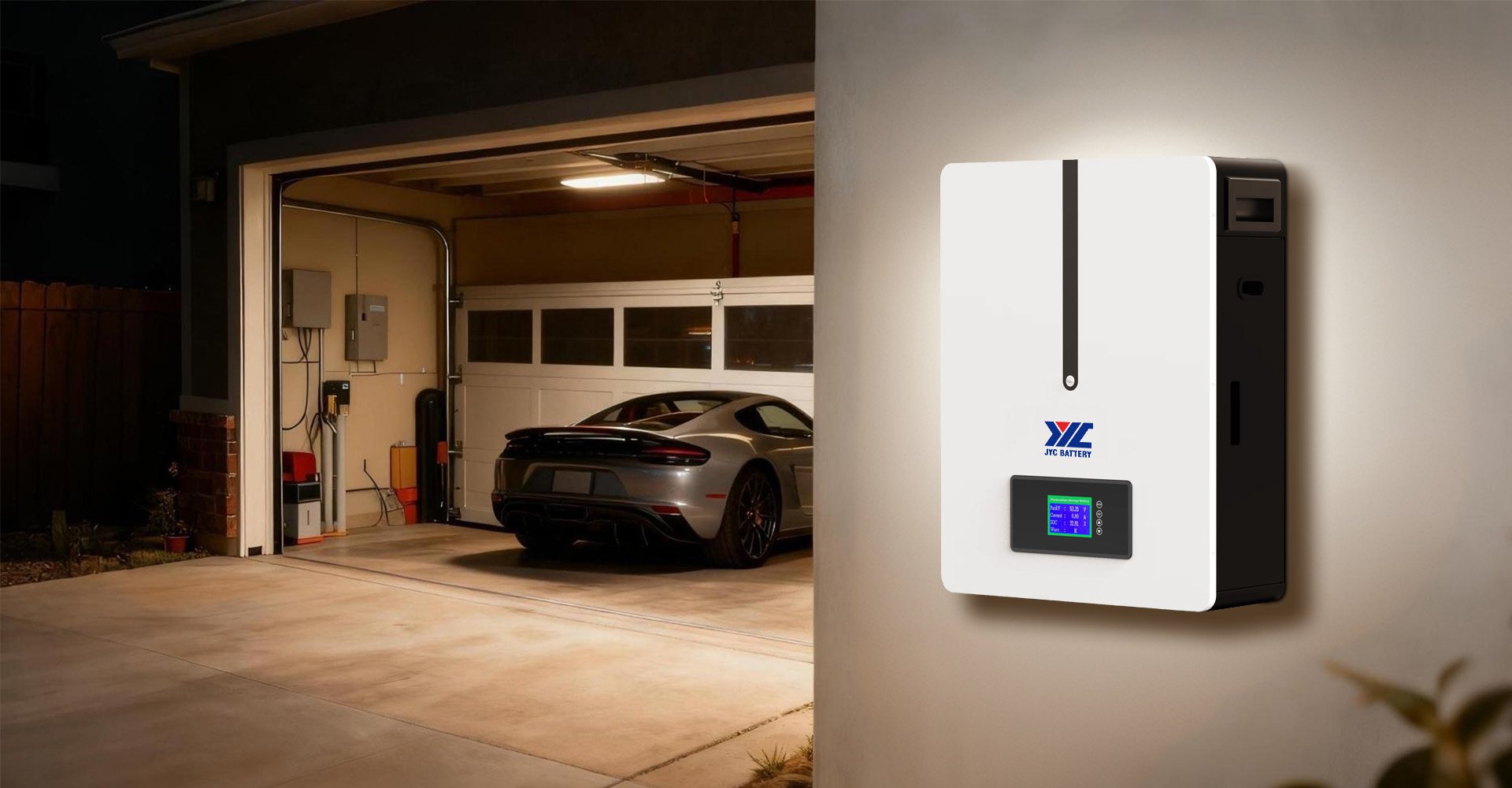
Based on the low-carbon concept, and thanks to the competitiveness of energy storage technology, lithium applications in various systems will be gradually realized globally. JYC Lithium Battery Soluti...
Focus on company news, product updates and market events. We provide continuous updates to bring you first-hand information, helping you stay informed about our development progress at all times.
For RV manufacturers and marine infrastructure suppliers, battery selection is rarely a simple choice of capacity. It is an engineering decision that balances Cold Cranking Amps (CCA) against Cycle Life. The premature failure of battery banks in recreational vehicles and marine vessels is frequently attributed to user error, yet a significant percentage of warranty claims stem from a fundamental mismatch between the application and the internal architecture of the battery.
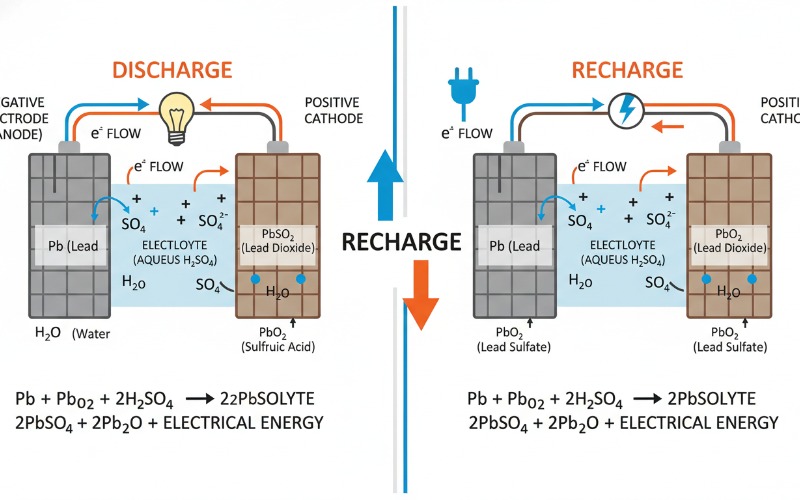
As a global leader in energy storage manufacturing, JYC Battery approaches this dilemma through the lens of electrochemistry and mechanical engineering. To make informed procurement decisions, we must look inside the black box—specifically at plate thickness, grid alloy composition, and paste density. This article dissects the technical distinctions of Dual-Purpose vs. Deep Cycle technologies to help OEMs and distributors select the correct energy storage solution.
The Anatomy of Power: Plate Thickness and Surface Area
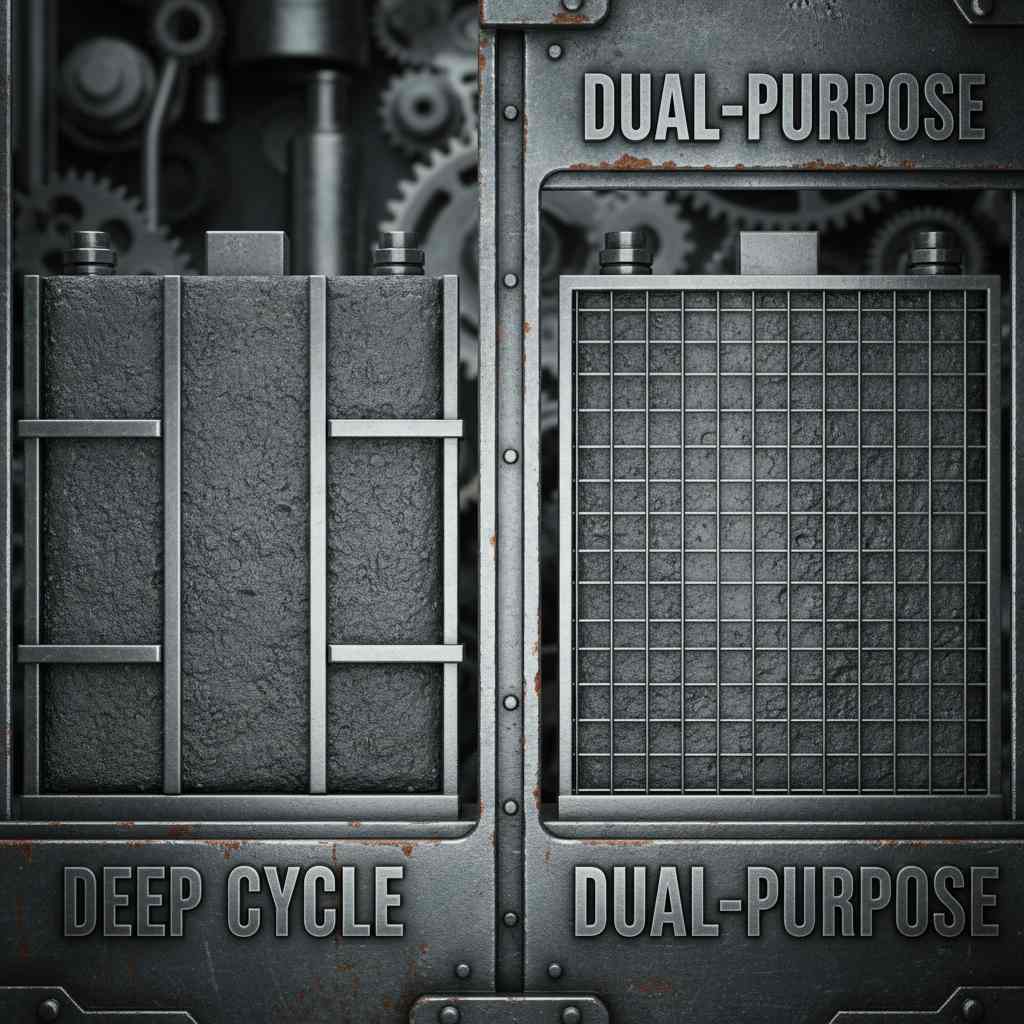
The primary differentiator between a dedicated deep cycle battery and a dual-purpose unit lies in the physical dimensions of the lead plates. In lead-acid electrochemistry, including AGM (Absorbent Glass Mat) and GEL variations, the trade-off is governed by Peukert’s Law and the physical surface area available for the reaction.
1. Deep Cycle Architecture: The Marathon Runner
True Deep Cycle batteries are engineered for endurance. At JYC Battery, our deep cycle manufacturing process utilizes:
Thicker Positive Grids: Plates are significantly thicker (often exceeding 2.2mm to 3.0mm depending on the series). Thicker lead resists the corrosive effects of positive grid oxidation that occurs during deep discharge cycles.
High-Density Active Material: The lead oxide paste is denser. This limits the porosity, which slightly increases internal resistance (lowering instantaneous CCA) but dramatically improves the structural integrity of the active material during repeated expansion and contraction cycles.
Separators: We employ heavy-duty glass mat separators with high compression rates to prevent active material shedding.
2. Dual-Purpose Architecture: The Hybrid Athlete
Dual-Purpose batteries attempt to bridge the gap between starting power and cycling capability. For marine and RV applications where a single bank must crank an engine and run hotel loads (lights, pumps, electronics), the internal geometry changes:
Increased Surface Area: To generate high CCA, the electrolyte needs rapid access to lead. We achieve this by using thinner plates (typically 1.5mm to 1.9mm) but packing more of them into the cell.
Sponge Lead Porosity: The negative plate active material is engineered with higher porosity to facilitate rapid ion exchange during the high-current demands of engine cranking.
Chemical Composition and Grid Technology
Beyond physical dimensions, the chemical composition of the grid alloy plays a pivotal role in the Dual-Purpose vs. Deep Cycle debate.
Feature
Deep Cycle (JYC DC Series)
Dual-Purpose (JYC DP Series)
Starting (SLI)
Plate Thickness
Thick (High Durability)
Medium (Balanced)
Thin (Max Surface Area)
Active Material
High Density
Medium Density
Low Density / Porous
Primary Function
Sustained Amperage over Time
Cranking + Moderate Cycling
Instantaneous High Amperage
Typical DOD
50% - 80%
30% - 50%
< 5%
Grid Alloy
Lead-Calcium-Tin (Corrosion Resistant)
Lead-Calcium (High Conductivity)
Lead-Calcium (Low Resistance)
Table 1: Electrochemical Comparison of Battery Types for RV and Marine Applications
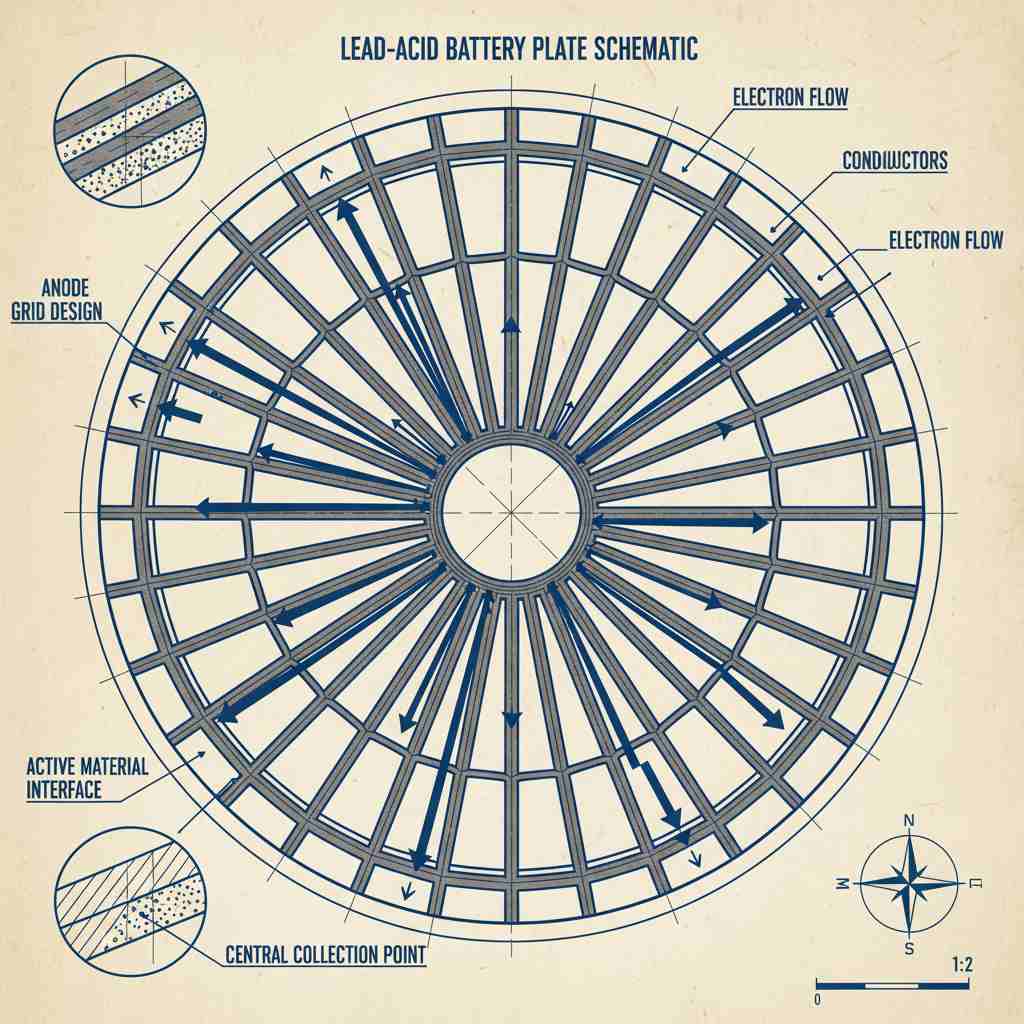
At JYC’s state-of-the-art manufacturing facilities in Malaysia and Shaoguan, we utilize CCDR (Continuous Casting and Rolling) and Punching technology. This advanced manufacturing method ensures the grid structure is less susceptible to grain boundary corrosion compared to traditional gravity casting. For our Deep Cycle lines, we enrich the alloy with higher Tin (Sn) content to enhance conductivity and cycle life resilience, mitigating the "mossing" and "dendrite" formation that kills standard batteries.
The Selection Matrix for OEMs
When integrating batteries into a new RV model or Marine refit, the choice dictates the warranty viability.
When to Choose Deep Cycle:
Trolling Motors & House Banks: If the primary load is continuous (fridges, inverters, lights) and the battery is regularly discharged below 50% DOD.
Solar Storage: For off-grid RV setups, the thick plates of a DC battery are mandatory to handle the daily charge/discharge variability.
When to Choose Dual-Purpose:
Space Constraints: In smaller boats or camper vans where there is only space for one battery bank that must start the engine and run the radio/fish finder.
Occasional Use: For weekend warriors where the depth of discharge rarely exceeds 30-40%.
Note: While Dual-Purpose batteries are versatile, they typically offer fewer total lifecycle cycles than a dedicated Deep Cycle battery if pushed to 80% DOD repeatedly.
Why JYC Battery Manufacturing Ensures Consistency
In the B2B sector, consistency is currency. A variance in plate thickness of just a few microns can alter the internal resistance of a battery, leading to imbalances in series/parallel banks.
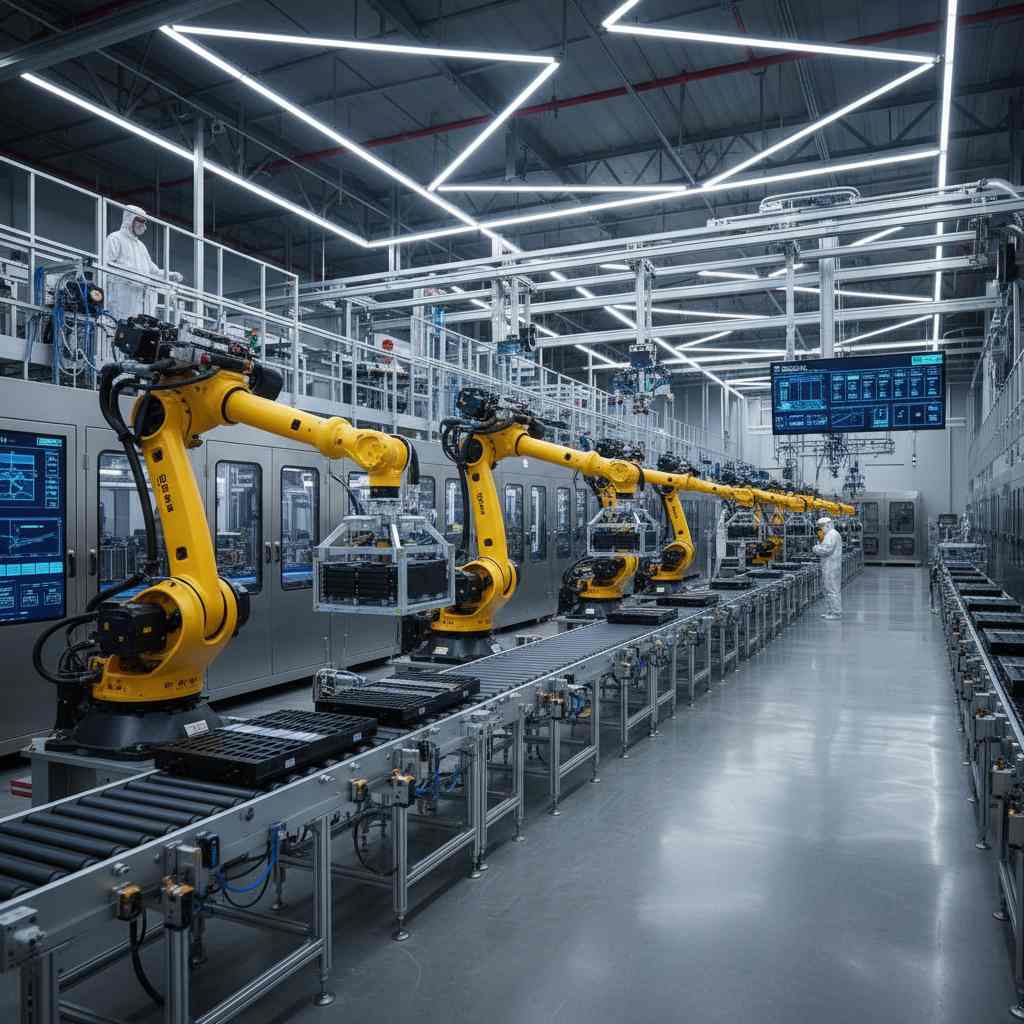
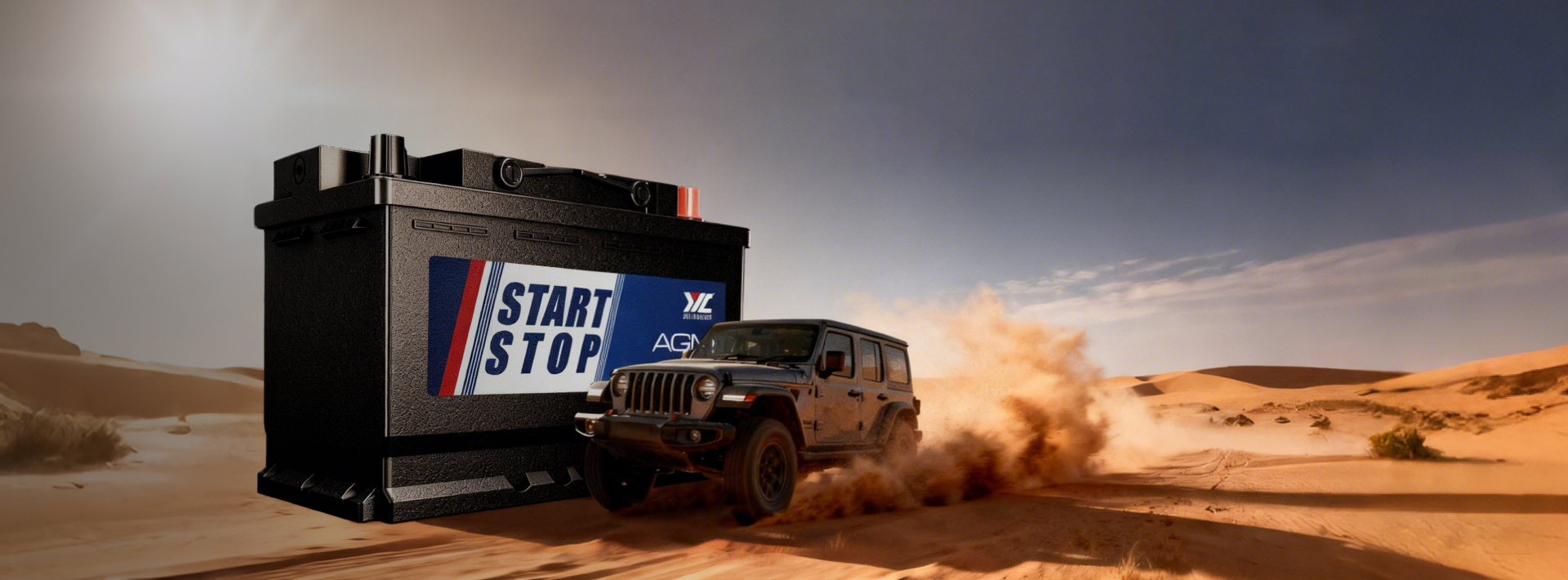
JYC Battery operates over 100,000 square meters of manufacturing space with fully automated production lines. Our proprietary plate curing process ensures that the transformation of free lead to lead oxide is uniform across every batch. Whether you are sourcing our Start-Stop AGM battery for automotive applications or our heavy-duty Marine Deep Cycle series, the internal chemistry is validated against rigorous IEC and UL standards.
Conclusion: Optimizing Your Power Architecture
Understanding the difference between Dual-Purpose and Deep Cycle batteries prevents costly field failures. It is not merely a label; it is a fundamental difference in plate thickness and paste density. For OEMs requiring high-reliability energy storage, partnering with a manufacturer that controls the entire value chain—from grid punching to final formation—is essential.



 en
en  ara
ara  de
de  fra
fra  kor
kor  ru
ru  spa
spa  vie
vie