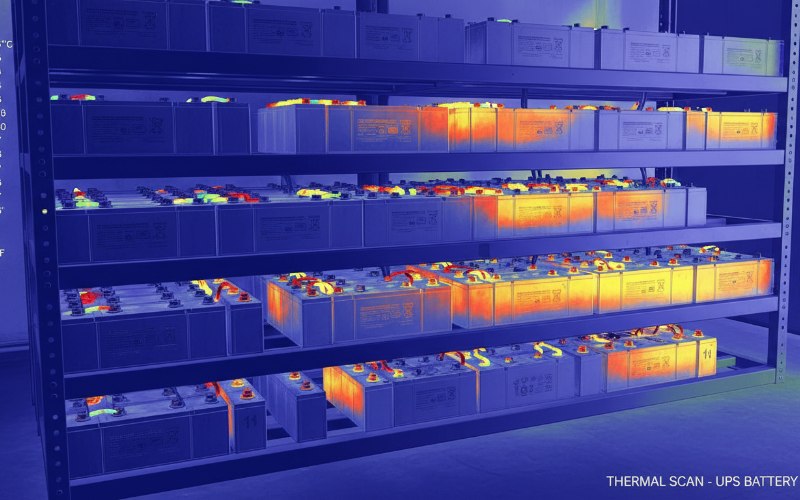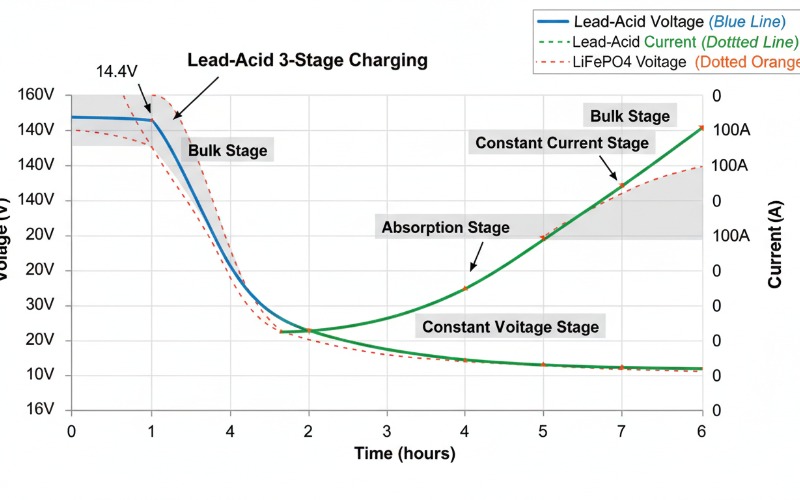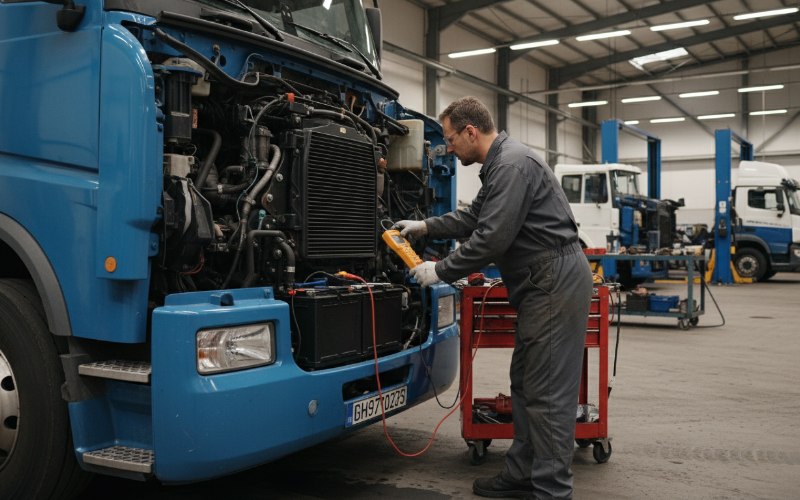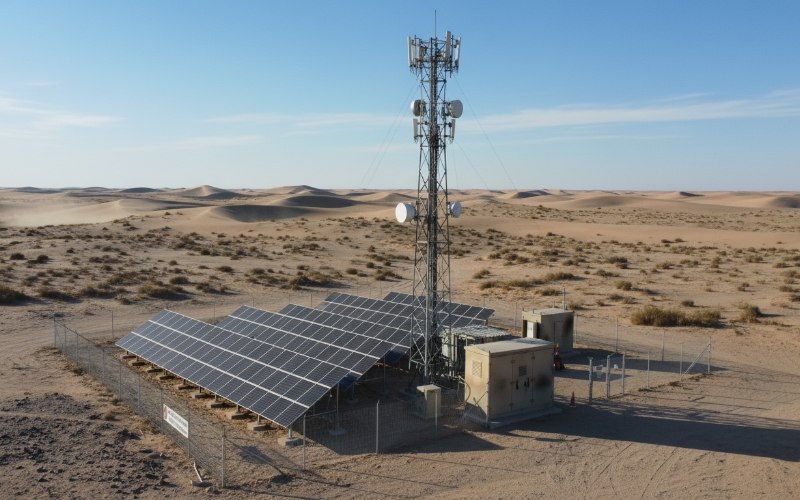
This is more than just a series of products; it is an ecosystem we have built to achieve a more efficient, reliable, and sustainable energy future. Discover how our products and solutions can create t...
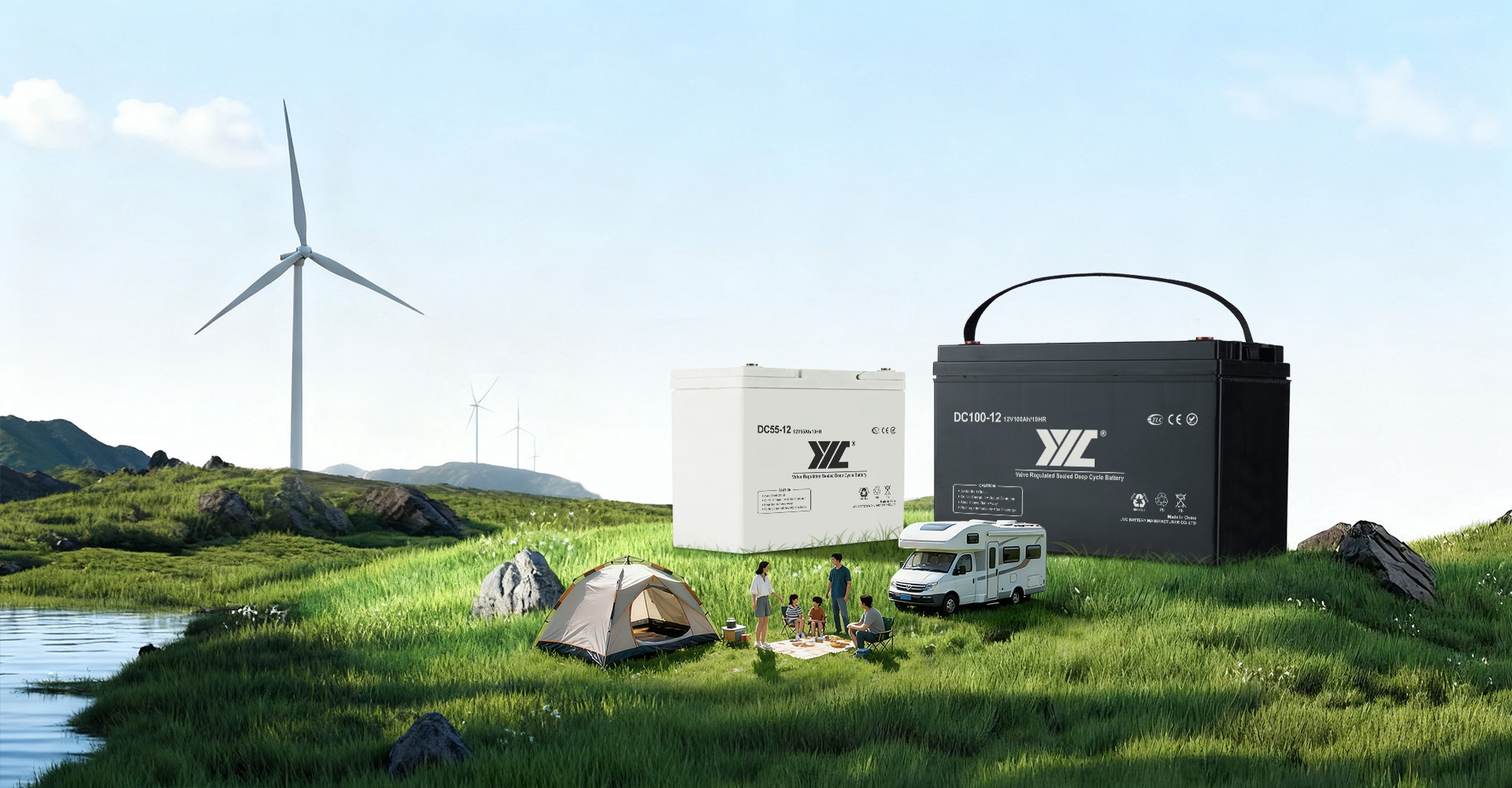
Our Industrial Batteries combine high-quality materials, robust design, and dependable performance. With excellent deep-cycle capability and easy maintenance, they are ideal for diverse applications. ...

JYC Transportation batteries are a category of power storage devices specifically designed for transportation scenarios, with core functions of providing continuous, stable, and high-efficiency power ...

JYC Motive Power batteries are deep-cycle energy storage devices specifically designed for industrial and commercial vehicles and specialized equipment. Their core function is to provide continuous an...
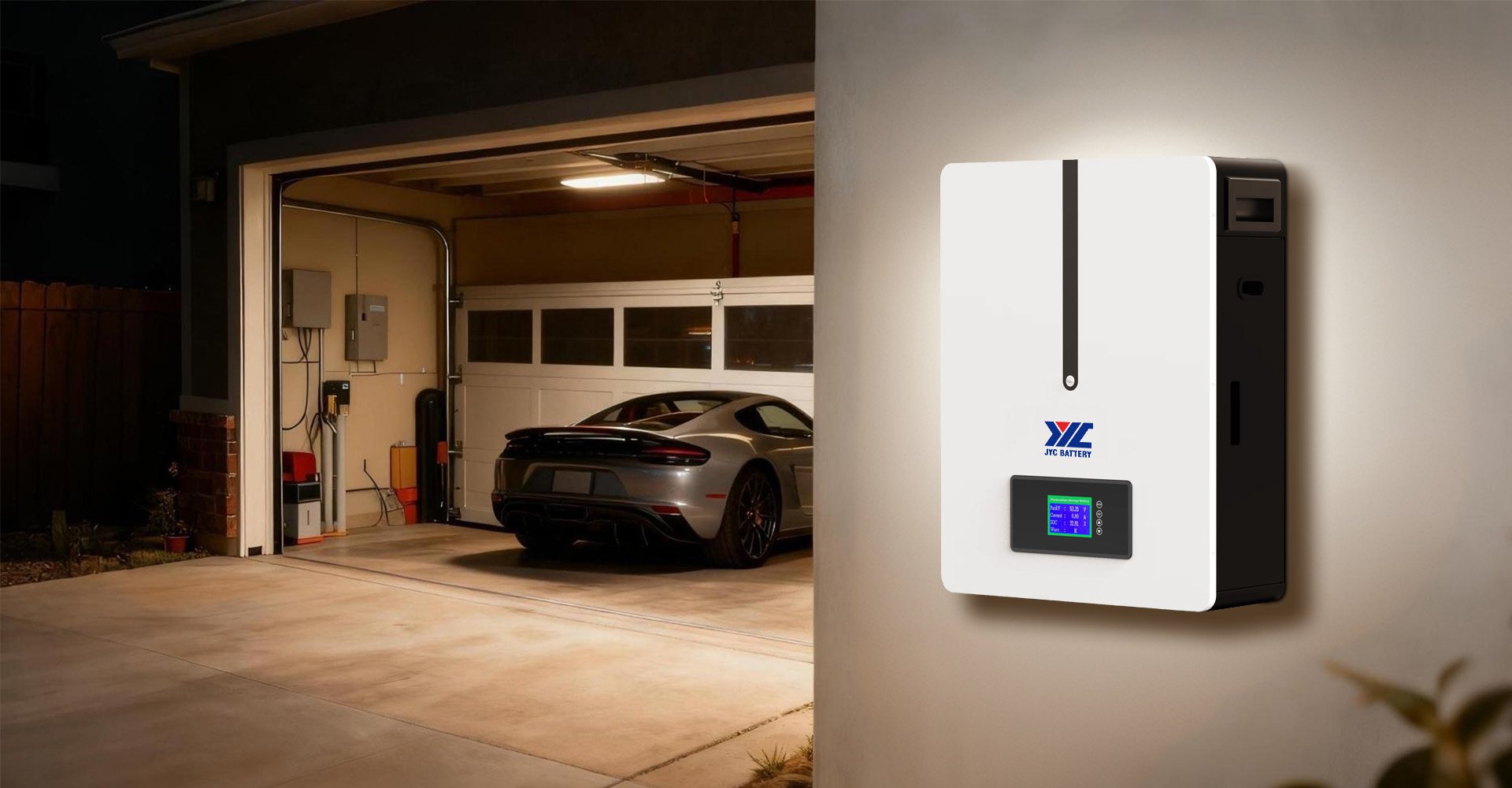
Based on the low-carbon concept, and thanks to the competitiveness of energy storage technology, lithium applications in various systems will be gradually realized globally. JYC Lithium Battery Soluti...

Focus on company news, product updates and market events. We provide continuous updates to bring you first-hand information, helping you stay informed about our development progress at all times.
Essential Guide to IEC 60896-21/22 for Stationary VRLA Batteries
2026-02-27 13:10:32
Key Takeaways for Compliance Officers
Standard Segmentation: IEC 60896 is split into Part 21 (Test Methods) and Part 22 (Requirements), separating how to test from what passes.
Global Acceptance: Conforming to these standards is mandatory for major telecom, utility, and UPS tenders in Europe, Asia, and parts of the Americas.
Safety Criticality: The standards rigorously evaluate safety valve function, gas emission, and thermal runaway sensitivity for VRLA technology.
Performance Validation: Verification of cycle life, float voltage stability, and discharge capacity prevents premature infrastructure failure.
In the high-stakes world of industrial energy storage, regulatory compliance is not merely a checkbox but a safeguard against catastrophic infrastructure failure. For compliance officers and tender writers involved in procuring stationary power systems, navigating the International Electrotechnical Commission (IEC) standards is critical. Specifically, IEC 60896-21 and IEC 60896-22 form the bedrock of quality assurance for Valve Regulated Lead-Acid (VRLA) batteries.
This comprehensive guide deconstructs these standards, providing the technical depth required to draft precise tenders and evaluate supplier capability. We will explore how high-quality manufacturers validate their lead-acid battery portfolios against these rigorous benchmarks.
Distinguishing Part 21 from Part 22
A common misconception among procurement teams is treating IEC 60896-21/22 as a singular monolithic document. The IEC deliberately separated the standard into two distinct parts to allow for flexibility in application across different regions and service requirements.
IEC 60896-21 Methods of Test
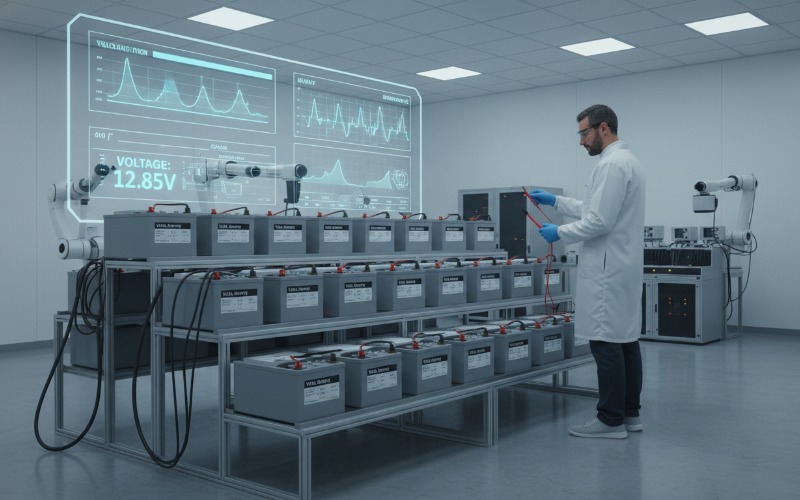
Part 21 is purely descriptive of methodology. It defines strictly how a test must be conducted. It dictates the ambient temperature, the torque applied to terminals, the precision of voltmeters, and the duration of the test. It does not state whether a battery passes or fails. It simply provides the data generation protocol.
IEC 60896-22 Requirements
Part 22 is the normative reference that defines the limits. It categorizes the data generated by Part 21 and sets the pass/fail criteria based on the battery's intended application classification. This separation allows a battery to be tested once (Part 21) but evaluated against different stringencies (Part 22) depending on whether it is intended for a benign climate-controlled UPS room or a harsh outdoor telecom cabinet.
Critical Safety Testing Protocols
Safety remains the paramount concern for stationary batteries deployed in populated buildings or critical infrastructure. IEC 60896-21 outlines specific stress tests that mimic failure modes.
Gas Emission and Recombination Efficiency
VRLA batteries operate on the principle of oxygen recombination. Clause 6.1 of the standard measures the volume of gas evolved under overcharge conditions. A high gas emission rate indicates poor recombination efficiency, leading to electrolyte dry-out and reduced service life.