This is more than just a series of products; it is an ecosystem we have built to achieve a more efficient, reliable, and sustainable energy future. Discover how our products and solutions can create t...
Our Industrial Batteries combine high-quality materials, robust design, and dependable performance. With excellent deep-cycle capability and easy maintenance, they are ideal for diverse applications. ...
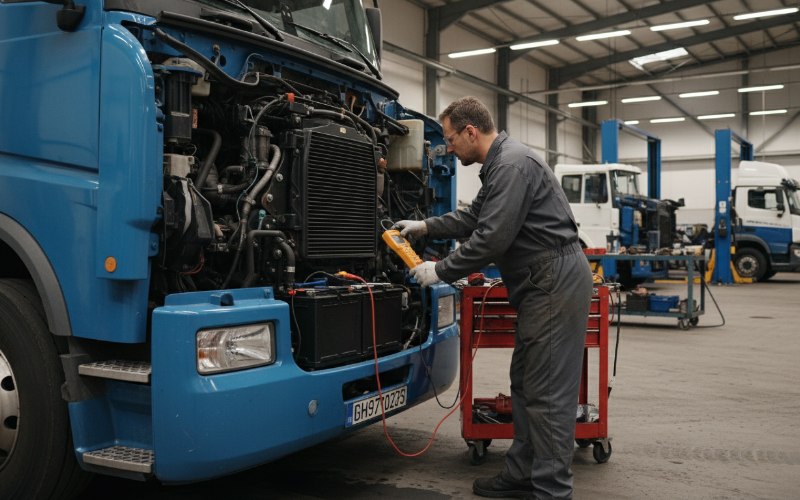
JYC Transportation batteries are a category of power storage devices specifically designed for transportation scenarios, with core functions of providing continuous, stable, and high-efficiency power ...
JYC Motive Power batteries are deep-cycle energy storage devices specifically designed for industrial and commercial vehicles and specialized equipment. Their core function is to provide continuous an...
Based on the low-carbon concept, and thanks to the competitiveness of energy storage technology, lithium applications in various systems will be gradually realized globally. JYC Lithium Battery Soluti...
Focus on company news, product updates and market events. We provide continuous updates to bring you first-hand information, helping you stay informed about our development progress at all times.
For decades, the energy storage landscape was dominated by the reliable electrochemistry of lead-acid technology. However, the rapid maturation of Lithium Iron Phosphate (LiFePO4) chemistry has created a pivotal decision point for B2B solar system integrators. Choosing between a lead acid battery vs lithium battery is no longer just about initial capital expenditure (CapEx); it is a complex calculation involving Levelized Cost of Energy (LCOE), Depth of Discharge (DOD), thermal management, and system integration complexity.
As a global leader in energy storage manufacturing, JYC Battery produces both advanced VRLA (AGM, GEL, OPzV) and cutting-edge Lithium-ion solutions. We understand that the "best" battery depends entirely on the application profile. This technical analysis explores the electrochemical nuances and ROI implications to help integrators make data-driven procurement decisions.
Electrochemical Architecture: The Core Difference
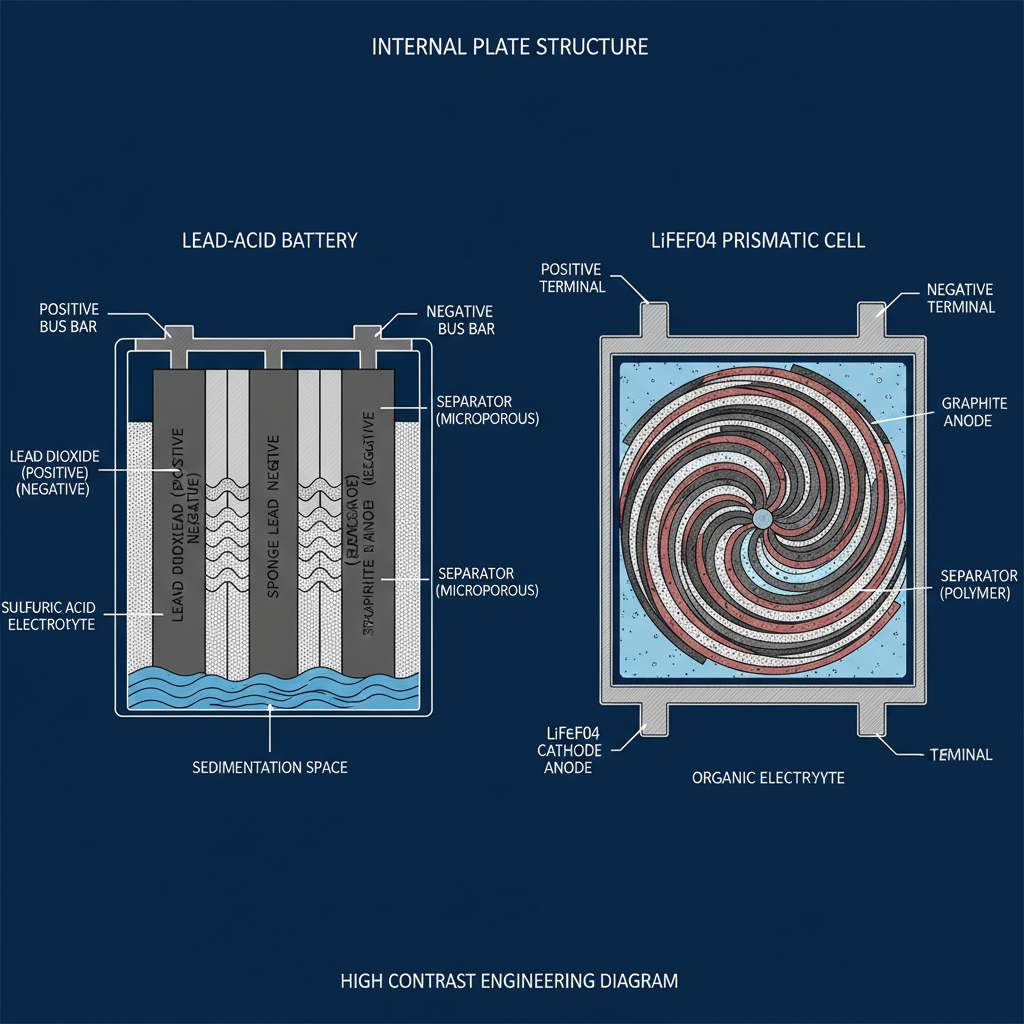
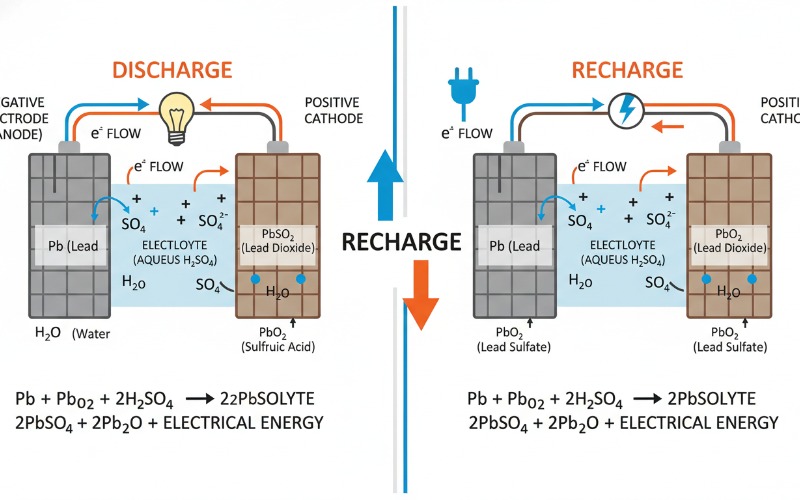
To understand performance, we must first look at the underlying chemistry. Traditional Lead-Acid batteries rely on the reaction between lead dioxide (positive plate), sponge lead (negative plate), and sulfuric acid electrolyte. During discharge, lead sulfate (PbSO4) forms on the plates. This mature technology is robust but suffers from the "Peukert Effect," where effective capacity decreases significantly at high discharge rates.
Conversely, Lithium-ion batteries, specifically the LiFePO4 chemistry favored for solar storage, utilize lithium ions moving between the cathode and anode. This process is highly efficient, offering negligible internal resistance and ensuring that capacity remains stable even under high-load scenarios. For integrators designing off-grid or hybrid systems, this means Lithium batteries can handle surge loads—such as starting heavy inductive motors—without the voltage sag common in lead-acid equivalents.
Performance Metrics: Cycle Life and DOD
The most critical differentiator for solar applications is the relationship between Cycle Life and Depth of Discharge (DOD).
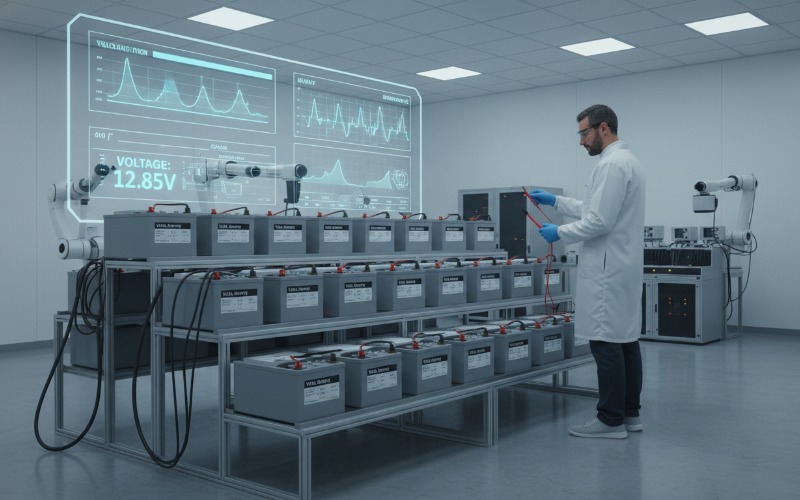
Lead-Acid Batteries (AGM/GEL): Typically rated for 50% DOD. Discharging beyond this point accelerates sulfation and plate corrosion, drastically shortening service life. A standard Deep Cycle AGM might offer 500-800 cycles at 50% DOD.
Lithium-ion Batteries (LiFePO4): Can be safely discharged to 80-90% DOD or even 100% without significant degradation. JYC’s LiFePO4 modules typically deliver 4,000 to 6,000+ cycles at 80% DOD.
For a solar integrator, this means you need to oversize a lead-acid bank by a factor of 2x to achieve the same usable energy as a lithium bank, significantly impacting the footprint and weight of the installation.
The Economic Equation: CapEx vs. OpEx
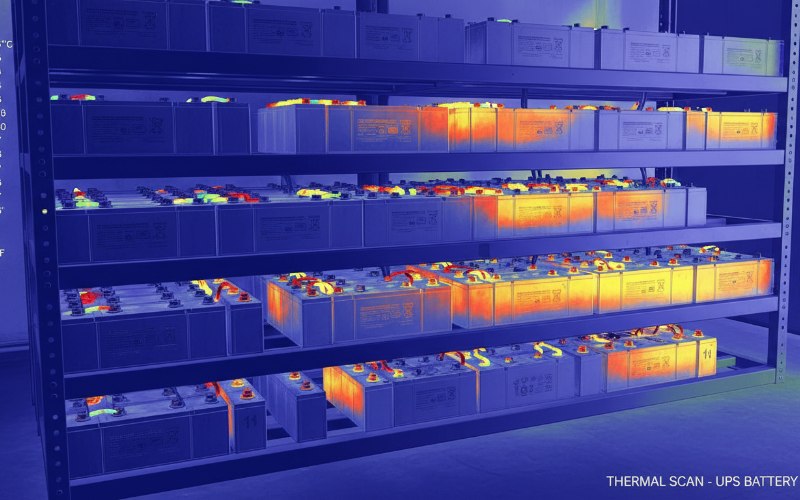
While Lead-Acid batteries retain a significant advantage in initial purchase price (CapEx), the Total Cost of Ownership (TCO) often favors Lithium for daily cycling applications. However, for backup power systems where the battery sits in float charge 99% of the time (such as UPS or telecom standby), Lead-Acid remains the superior ROI choice.
Feature
JYC Lead-Acid (AGM/GEL)
JYC Lithium (LiFePO4)
Usable Capacity (DOD)
50% Recommended
90-100% Recommended
Cycle Life
400 - 800 cycles @ 50% DOD
4,000+ cycles @ 80% DOD
Energy Density
30-50 Wh/kg
120-160 Wh/kg
Charge Efficiency
85% - 90% (Heat loss)
99% (Highly efficient)
Maintenance
Low (VRLA)
Zero (Integrated BMS)
Technical Comparison: JYC Lead Acid vs Lithium Battery Specifications
Charging Efficiency and Solar Yield
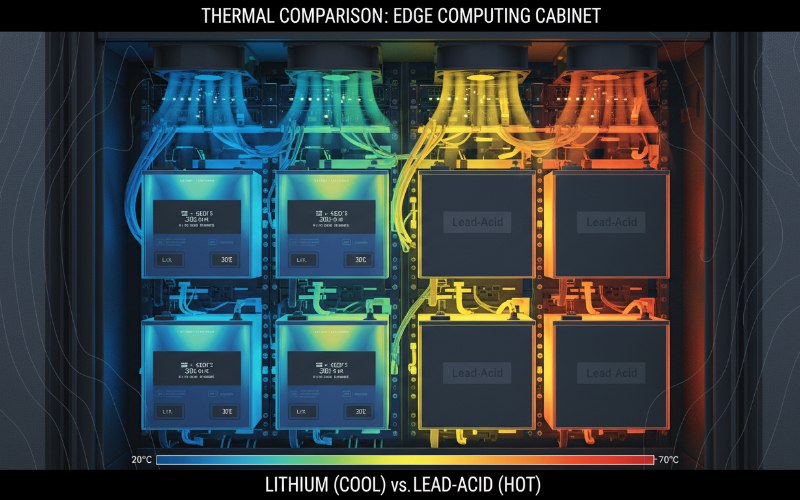
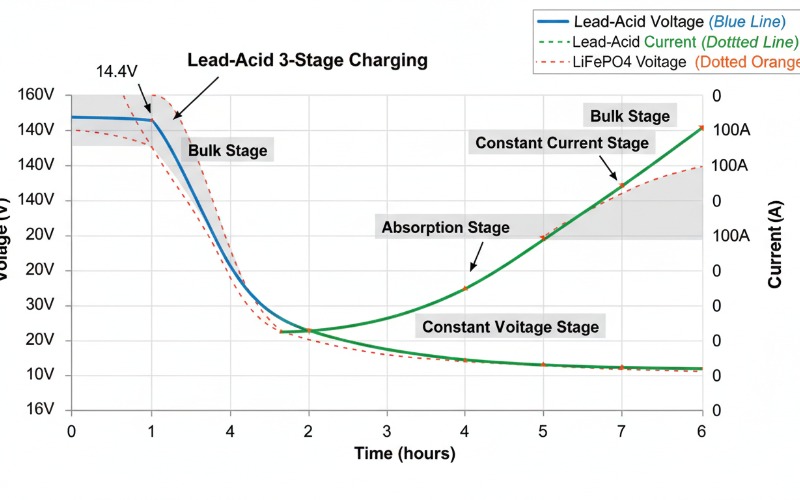
Solar irradiance is a finite resource. In a Lead-Acid system, roughly 15-20% of the energy harvested from PV panels is lost as heat during the charging process, especially during the absorption phase. Furthermore, Lead-Acid batteries require a long, slow absorption charge cycle to reach 100% SOC. If the sun sets before this cycle completes, the battery suffers from Partial State of Charge (PSOC) deficit, leading to sulfation.
Lithium batteries, managed by an intelligent Battery Management System (BMS), accept charge at a high current rate (up to 1C) with 99% efficiency. They do not require a prolonged absorption phase, making them ideal for capturing maximum energy during short windows of peak sunlight.
Choosing the Right Technology for Your Project
Select Lead-Acid (AGM/GEL/OPzV) If:
The application is standby/backup (UPS, Emergency Lighting, Telecom) where cycling is rare.
Initial budget constraints are extremely tight.
The installation environment faces extreme freezing temperatures (Lithium cannot be charged below freezing without heaters).
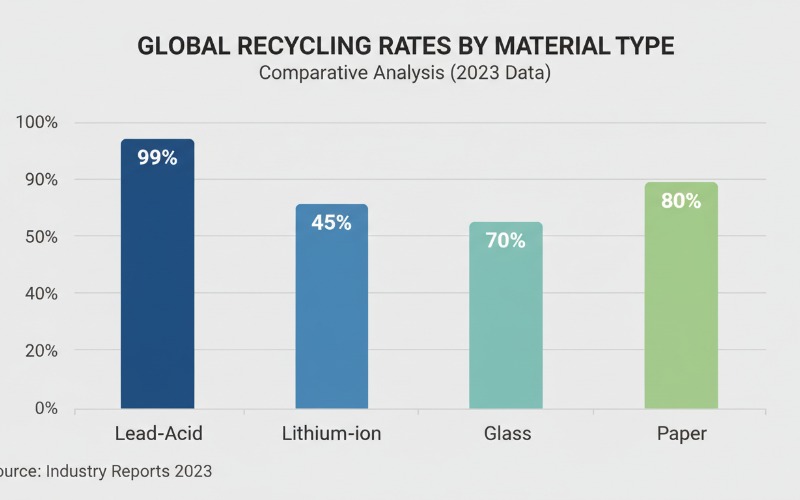
You require proven, recyclable technology (Lead-acid is 99% recyclable).
Select Lithium-ion (LiFePO4) If:
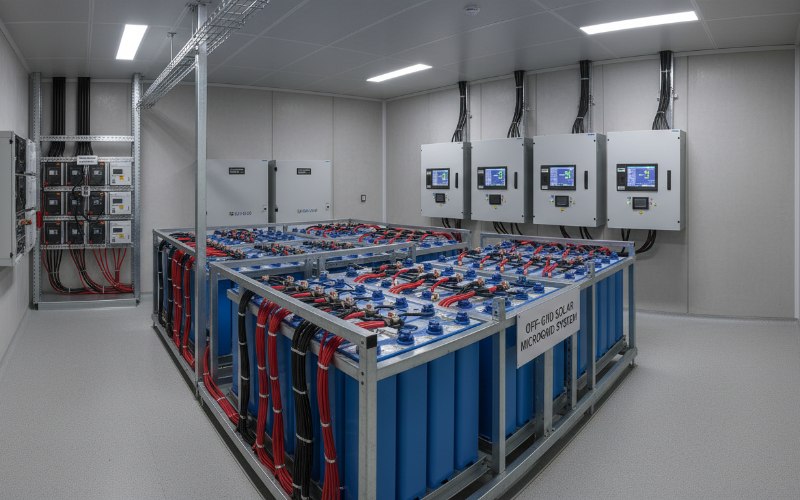
The system is for daily cyclic use (Solar Energy Storage, Self-Consumption).
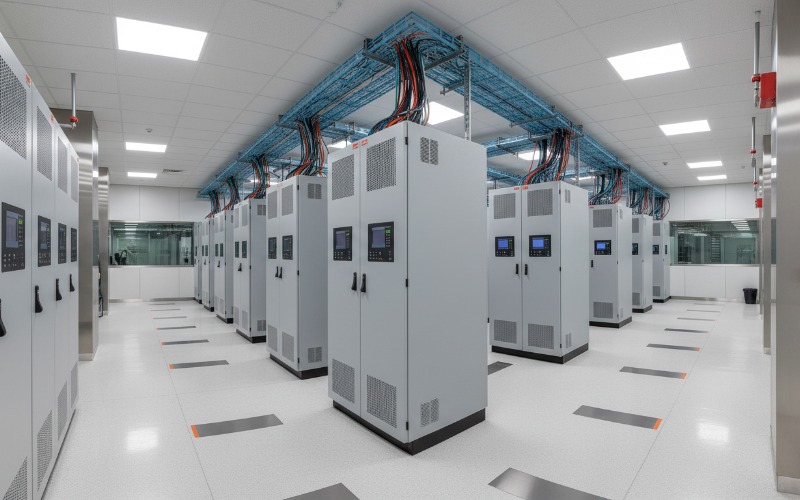
Weight and space are limited (Marine, RV, Compact Enclosures).
You need a "install and forget" solution with a lifespan of 10+ years.
High power discharge is required for inductive loads.
JYC Battery: Manufacturing Excellence in Both Chemistries
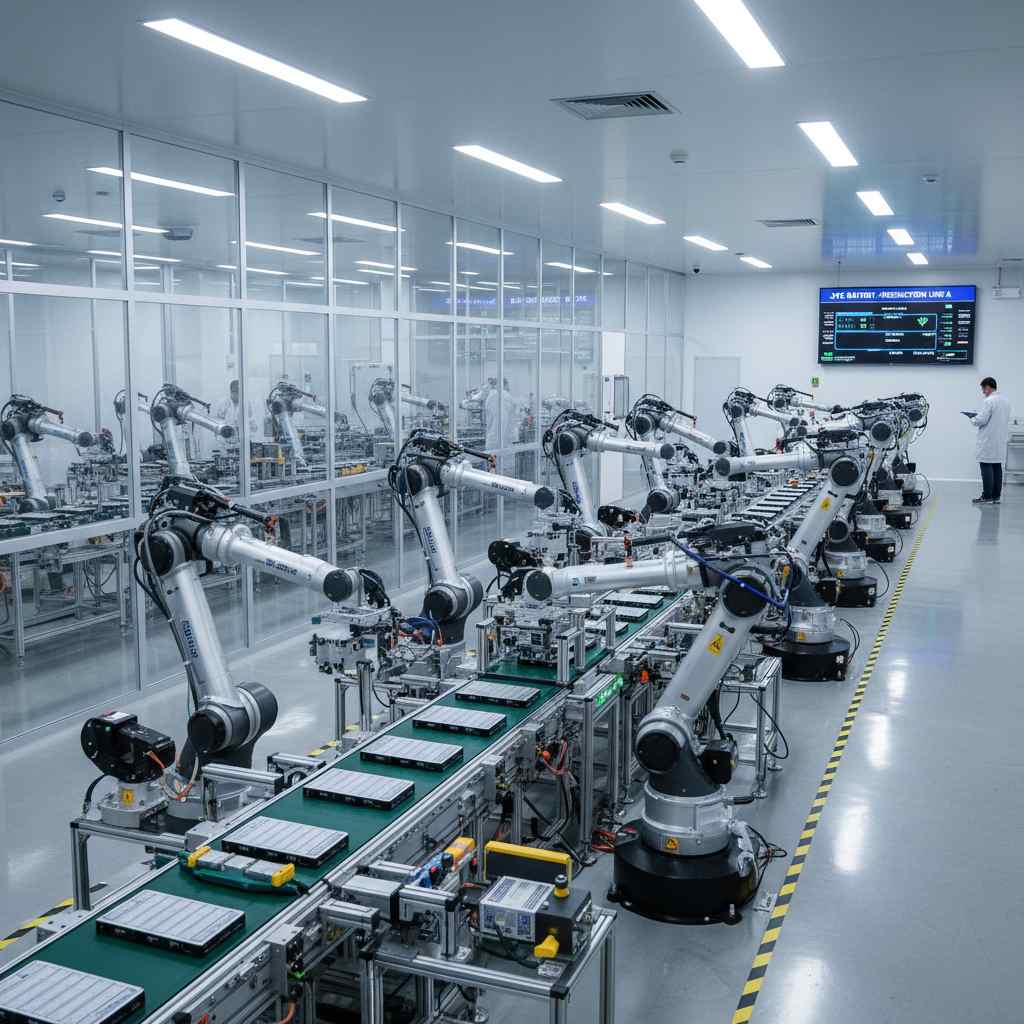
At JYC Battery, we do not favor one technology over the other; we favor the engineering solution that fits the requirement. With a 100,000 square meter manufacturing base and fully automated production lines, we ensure consistency whether you are ordering UPS batteries or high-voltage Lithium ESS modules. Our products are rigorously tested to ensure they meet global standards, including UL, CE, IEC, and ISO certifications.
Are you an integrator looking to optimize your storage portfolio? Contact our engineering team today for a custom consultation on matching the right battery chemistry to your project's specific load profile.




 en
en  ara
ara  de
de  fra
fra  kor
kor  ru
ru  spa
spa  vie
vie