This is more than just a series of products; it is an ecosystem we have built to achieve a more efficient, reliable, and sustainable energy future. Discover how our products and solutions can create t...
Our Industrial Batteries combine high-quality materials, robust design, and dependable performance. With excellent deep-cycle capability and easy maintenance, they are ideal for diverse applications. ...
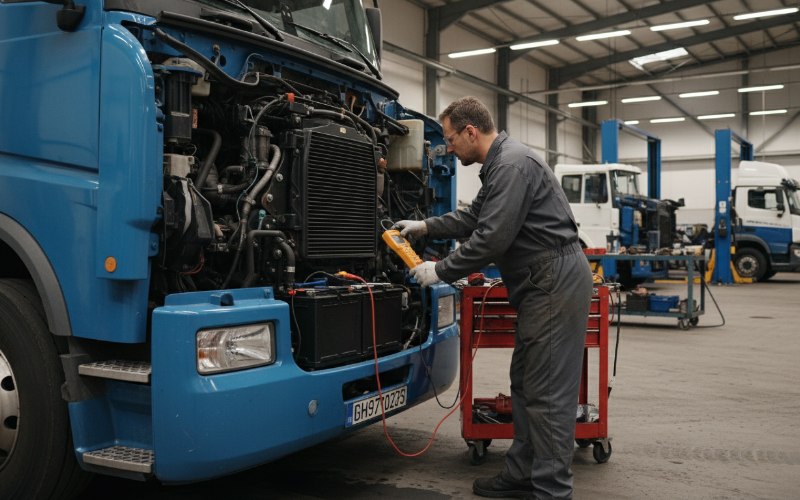
JYC Transportation batteries are a category of power storage devices specifically designed for transportation scenarios, with core functions of providing continuous, stable, and high-efficiency power ...
JYC Motive Power batteries are deep-cycle energy storage devices specifically designed for industrial and commercial vehicles and specialized equipment. Their core function is to provide continuous an...
Based on the low-carbon concept, and thanks to the competitiveness of energy storage technology, lithium applications in various systems will be gradually realized globally. JYC Lithium Battery Soluti...
Focus on company news, product updates and market events. We provide continuous updates to bring you first-hand information, helping you stay informed about our development progress at all times.
Lead vs Lithium Battery: A Strategic LCOE and ROI Analysis
2026-01-01 13:00:25
For solar system integrators and EPC contractors, the debate of Lead vs Lithium Battery storage is no longer just about chemistry—it is a calculation of LCOE (Levelized Cost of Energy), ROI (Return on Investment), and specific application engineering. As a Senior Electrochemical Engineer at JYC Battery, I have witnessed the evolution of energy storage from the dominance of flooded lead-acid cells to the modern supremacy of LiFePO4 (Lithium Iron Phosphate).
However, declaring a generic winner ignores the nuance required in professional system design. While Lithium offers superior cycling, Lead-Acid remains an economic stronghold for standby and backup applications. In this technical analysis, we will dissect the electrochemical distinctions, performance metrics, and financial implications of both technologies to empower your procurement decisions.
Electrochemical Architecture: VRLA vs. LiFePO4
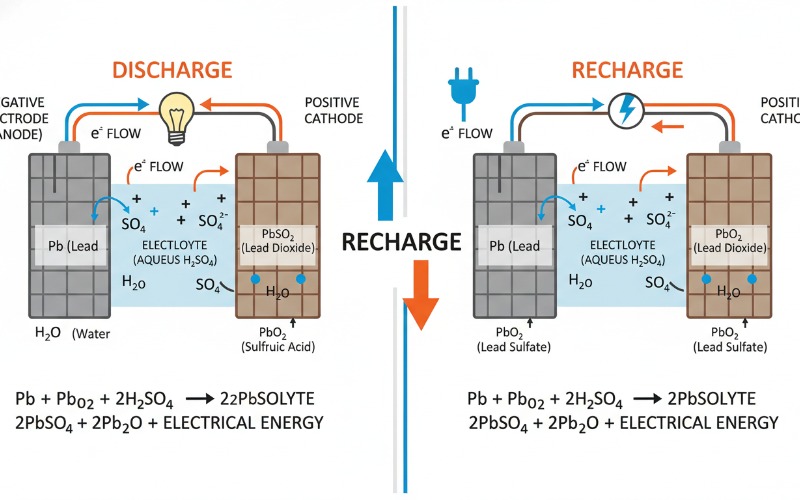
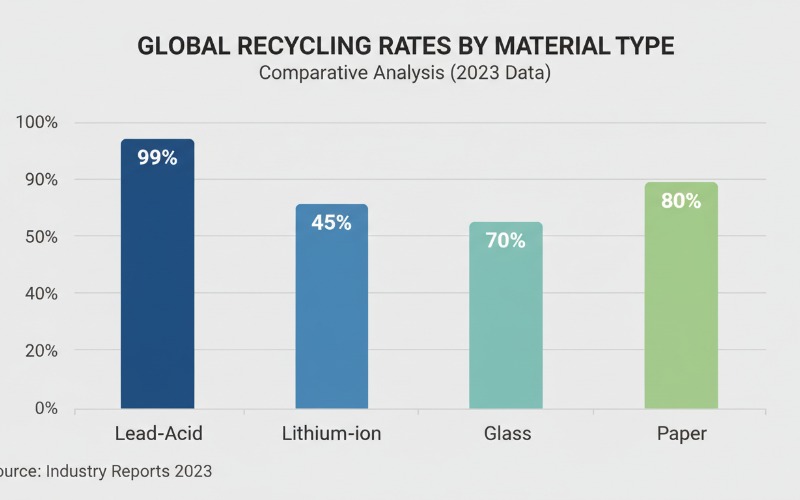
To understand the performance gap, we must look at the active materials. Lead-Acid batteries, specifically Valve Regulated Lead-Acid (VRLA) types like AGM and GEL, rely on the reaction between lead dioxide (positive plate), sponge lead (negative plate), and sulfuric acid electrolyte. This technology is mature, stable, and boasts a well-established recycling infrastructure.
Conversely, the Lithium-ion batteries manufactured by JYC utilize Lithium Iron Phosphate (LiFePO4) chemistry. Unlike the volatile NMC chemistries used in EVs, LiFePO4 provides the highest thermal stability and safety profile required for stationary energy storage systems (ESS). The movement of lithium ions between the cathode and anode allows for high energy density without the heavy grid alloy structure required in lead-acid batteries.
Critical Technical Metrics Comparison
For a solar integrator, the datasheet is the map. Below is a comparative analysis of JYC’s industrial-grade VRLA series versus our advanced LiFePO4 series.
Metric
VRLA Lead-Acid (AGM/GEL)
Lithium-Ion (LiFePO4)
Nominal Voltage
2.0V per cell
3.2V per cell
Cycle Life
300 - 1,200 cycles (@ 50% DOD)
3,000 - 6,000+ cycles (@ 80% DOD)
Energy Density
30 - 50 Wh/kg
90 - 160 Wh/kg
Depth of Discharge (DOD)
Max 50% recommended
80% - 100% capable
Charge Efficiency
80% - 85% (Peukert Effect)
95% - 99%
Weight Impact
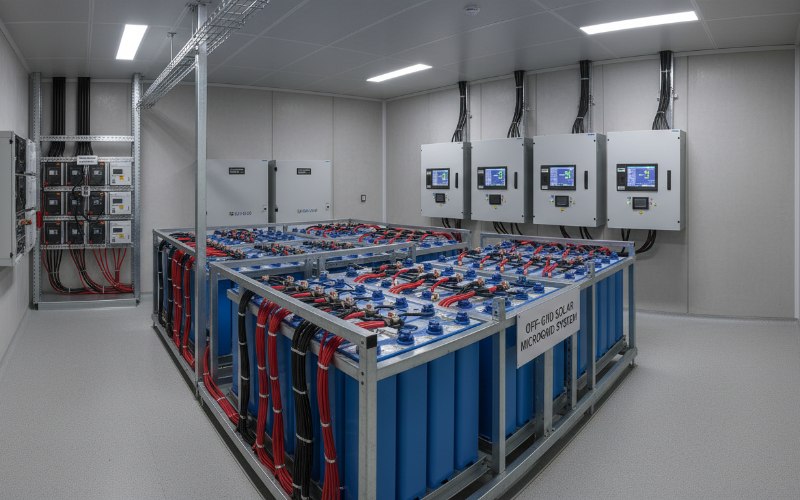
Heavy (requires robust racking)
~1/3 weight of Lead-Acid
Depth of Discharge (DOD) and Cycle Life Reality
The most significant differentiator in the Lead vs Lithium battery comparison is the usable capacity relative to cycle life. In solar applications where daily cycling is mandatory (hybrid or off-grid systems), this factor drives the TCO.
The 50% Limit of Lead-Acid
Deep discharging a standard lead-acid battery beyond 50% significantly accelerates sulfation—the crystallization of lead sulfate on the plates—which permanently reduces capacity. Therefore, to achieve a usable 10kWh bank, an integrator must install 20kWh of total lead-acid capacity. While JYC’s OPzV tubular gel batteries offer improved deep cycle capabilities (up to 20 years design life), the physics of lead-acid chemistry still imposes limitations compared to lithium.
The Lithium Utilization Advantage
JYC’s LiFePO4 modules can be discharged to 80%, 90%, or even 100% DOD while maintaining thousands of cycles. A system requiring 10kWh of usable energy only needs roughly 11-12kWh of Lithium capacity installed. This drastic reduction in installed capacity offsets the higher price per kWh of the lithium cells.
LCOE Analysis: The Financial Verdict
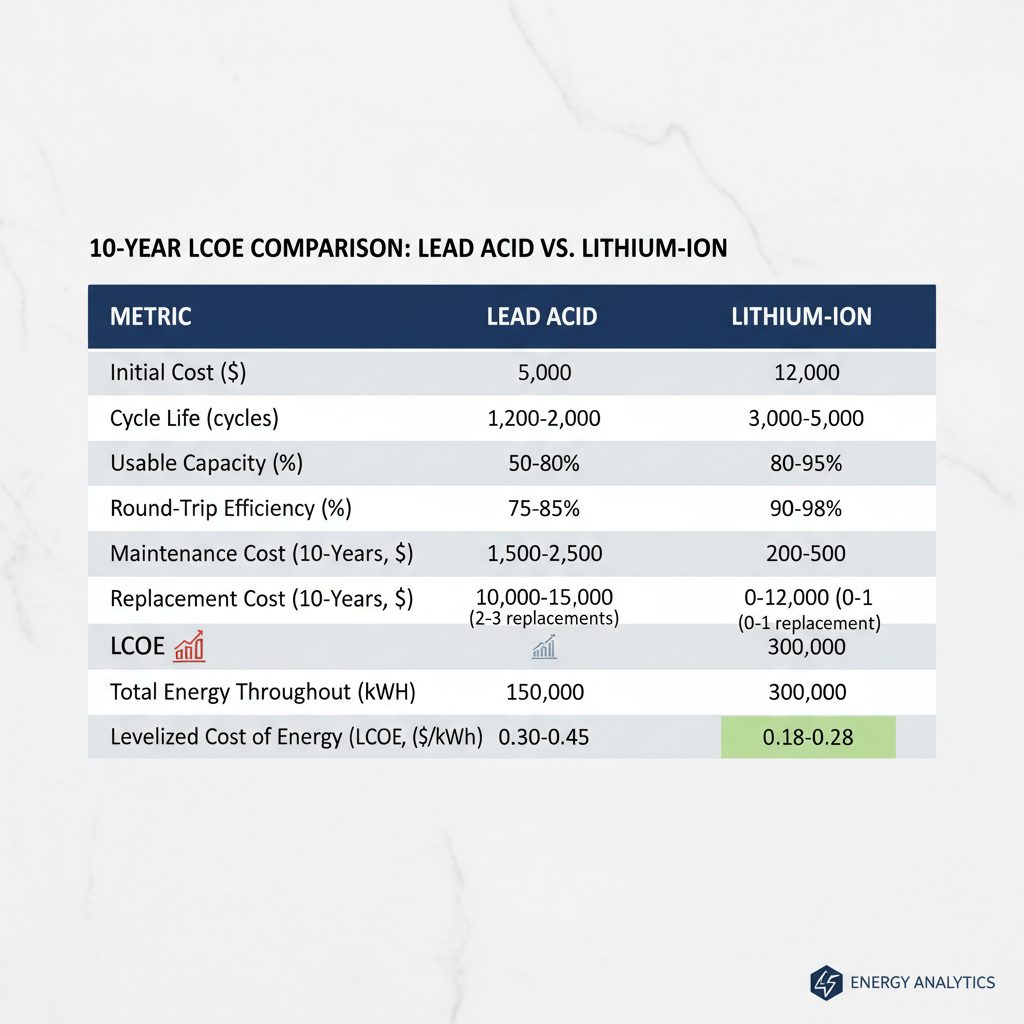
Professional buyers must look beyond the sticker price. Let's analyze the Levelized Cost of Energy (LCOE) over a 10-year period for a solar storage system.
Scenario 1: Lead-Acid (AGM). Low upfront CAPEX. However, with daily cycling, the bank may need replacement every 2-3 years. Over 10 years, this results in 3 to 4 replacement cycles, tripling the labor and logistics costs.
Scenario 2: Lithium (LiFePO4). Higher upfront CAPEX (approx. 2-3x lead-acid). However, a JYC LiFePO4 battery rated for 6,000 cycles at 80% DOD will last 15+ years in a daily cycling scenario. Zero replacements are required during the ROI period.
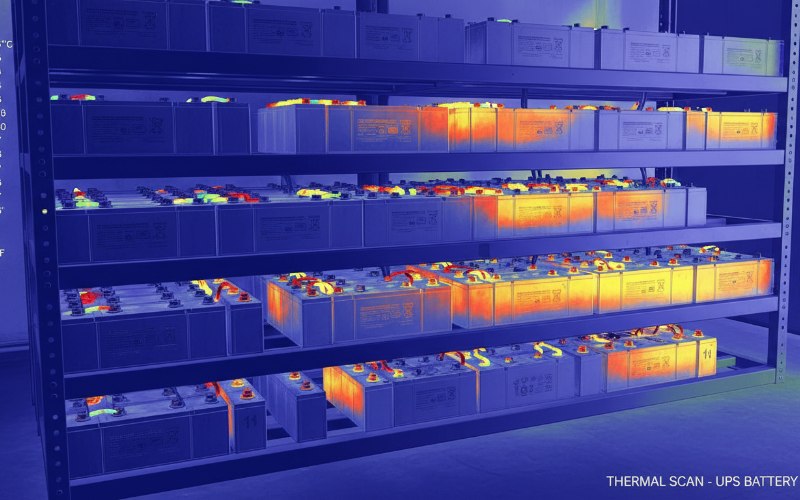
Conclusion: For daily cycling solar applications, Lithium provides a significantly lower LCOE. For standby power, UPS/Data Center applications, or infrequent backup where cycling is rare, Lead-Acid often yields a better ROI due to lower initial capital expenditure.
Charging Efficiency and Solar Yield
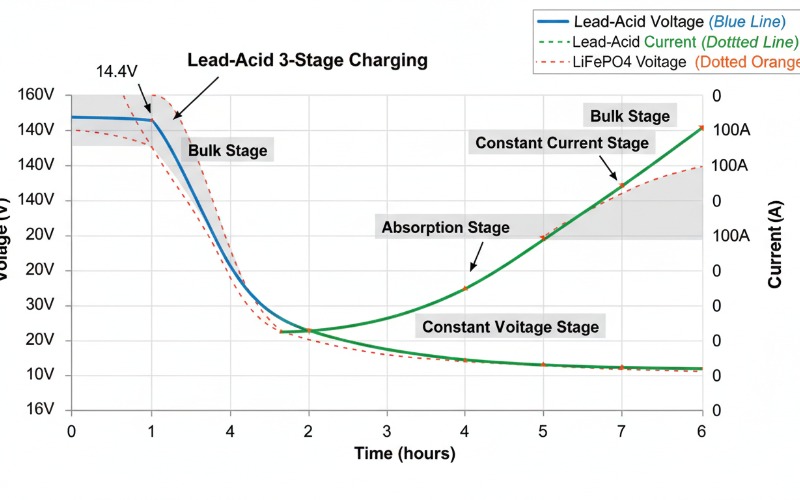
Another often overlooked factor is charging efficiency. Lead-acid batteries suffer from energy loss during the charging phase (heat dissipation and internal resistance), typically operating at 80-85% round-trip efficiency. Furthermore, the absorption phase takes hours, limiting how much solar energy can be captured during peak sun hours.
JYC’s Lithium batteries demonstrate a 98% round-trip efficiency and can accept high C-rates (fast charging). This means nearly every watt generated by your PV array is stored and available for use, maximizing the efficiency of the entire solar array and reducing the generator runtime in hybrid systems.
JYC Battery: Unbiased Manufacturing Expertise
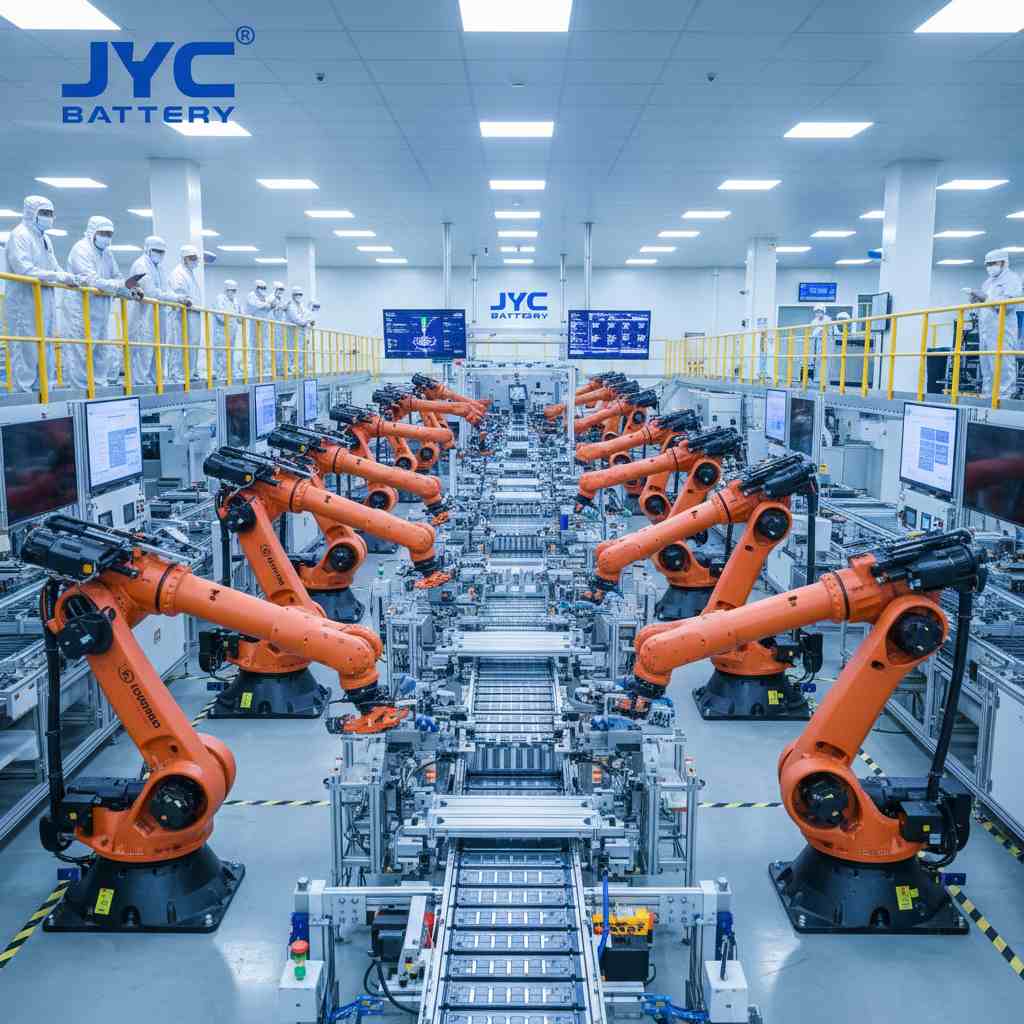
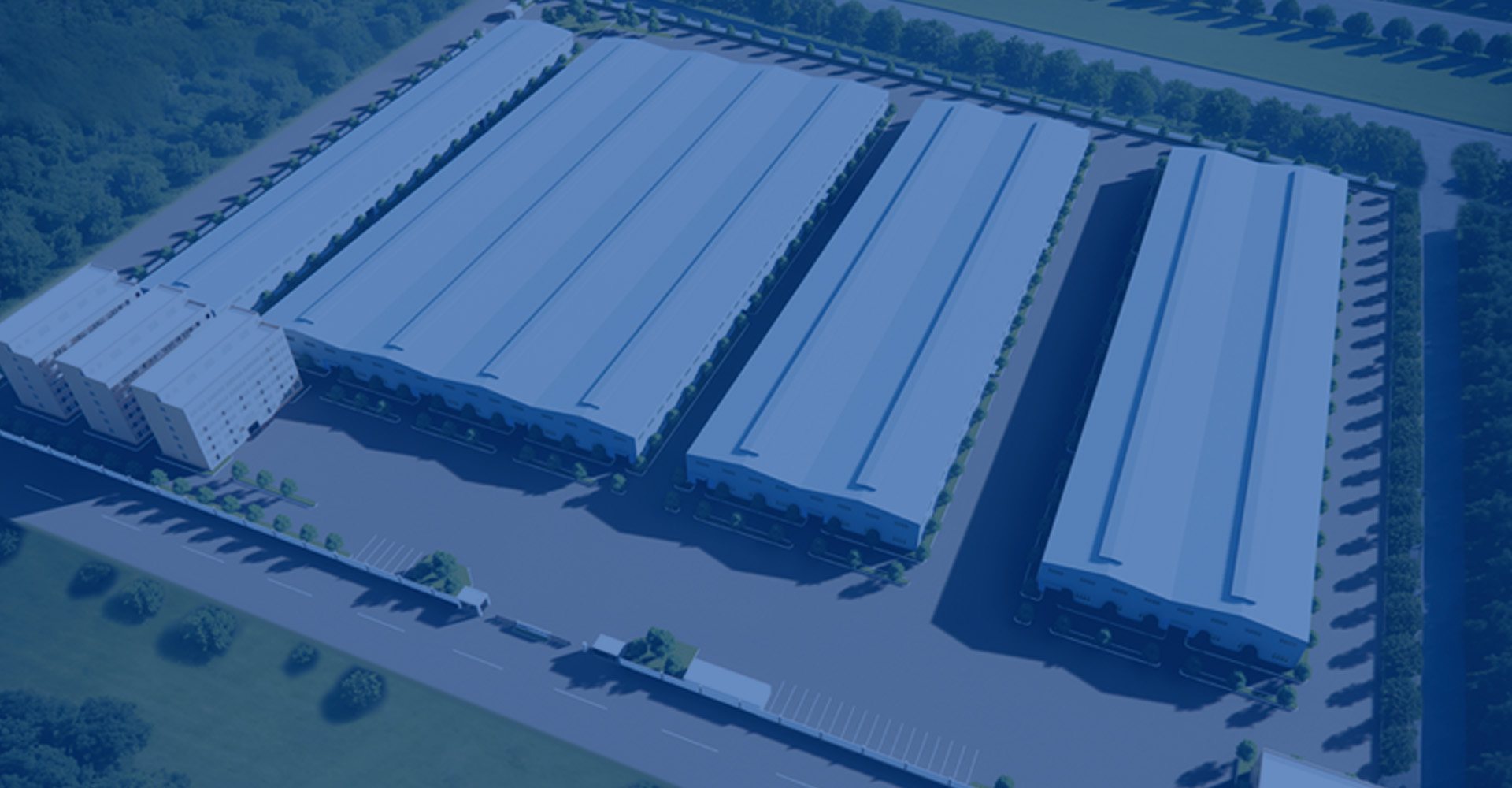
Why trust this analysis? Because JYC Battery manufactures both technologies. We operate a 100,000 square meter manufacturing base with fully automated production lines for both high-performance VRLA and advanced Lithium-ion systems. We do not need to push one chemistry over the other; we recommend the solution that fits your engineering requirements.
Projects requiring long-term warranty (5-10 years) and minimal maintenance.
Whether you require the rugged reliability of our Start-Stop AGM series or the advanced cycling of our LiFePO4 Energy Storage Systems, JYC ensures compliance with ISO, UL, CE, and IEC standards.
Are you ready to optimize your energy storage procurement strategy? Contact JYC Battery today to discuss your project specifications with our engineering team.




 en
en  ara
ara  de
de  fra
fra  kor
kor  ru
ru  spa
spa  vie
vie