This is more than just a series of products; it is an ecosystem we have built to achieve a more efficient, reliable, and sustainable energy future. Discover how our products and solutions can create t...
Our Industrial Batteries combine high-quality materials, robust design, and dependable performance. With excellent deep-cycle capability and easy maintenance, they are ideal for diverse applications. ...
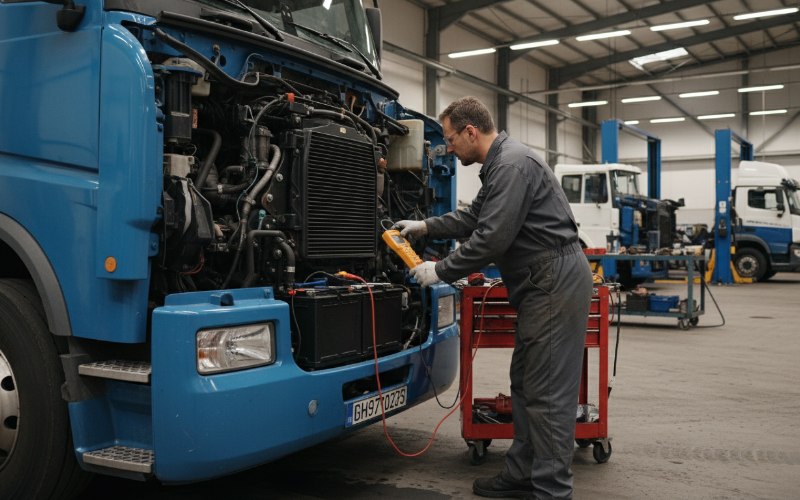
JYC Transportation batteries are a category of power storage devices specifically designed for transportation scenarios, with core functions of providing continuous, stable, and high-efficiency power ...
JYC Motive Power batteries are deep-cycle energy storage devices specifically designed for industrial and commercial vehicles and specialized equipment. Their core function is to provide continuous an...
Based on the low-carbon concept, and thanks to the competitiveness of energy storage technology, lithium applications in various systems will be gradually realized globally. JYC Lithium Battery Soluti...
Focus on company news, product updates and market events. We provide continuous updates to bring you first-hand information, helping you stay informed about our development progress at all times.
OPzV vs Standard AGM: Tubular Plate Wins in Microgrids
2026-03-04 15:25:39
Key Takeaways for Solar EPCs and Developers
Cycle Life Superiority: OPzV batteries typically offer 3x to 4x the cycle life of standard AGM batteries at 50% Depth of Discharge (DOD), drastically reducing replacement frequency in remote microgrids.
Tubular Plate Durability: The distinct "Panzerplatte" (tubular plate) architecture prevents active material shedding, a common failure mode in flat-plate AGM batteries under deep cycling.
Thermal Resilience: Thixotropic silica gel electrolytes in OPzV technology provide superior heat dissipation compared to the starved-electrolyte design of AGM, reducing thermal runaway risks in harsh climates.
Total Cost of Ownership (TCO): While AGM has a lower initial CapEx, OPzV delivers a significantly lower Levelized Cost of Storage (LCOS) over a 15-20 year project horizon.
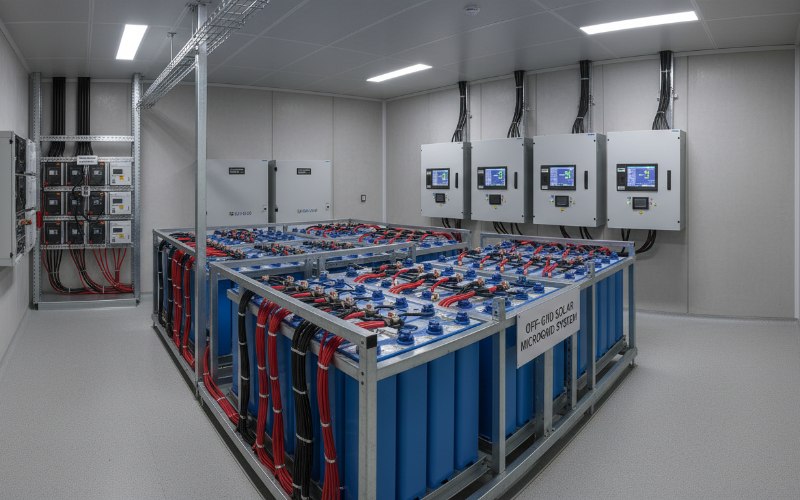
For Solar EPC contractors and microgrid developers, the choice between energy storage technologies is rarely just about initial price—it is about reliability, maintenance logistics, and the Levelized Cost of Energy (LCOE). While Lithium-ion solutions are gaining market share, Lead-Acid technology remains a cornerstone for robust, safety-critical off-grid infrastructure. However, not all lead-acid batteries are engineered equally.
The battle between OPzV (Ortsfest Panzerplatte Verschlossen) and Standard AGM (Absorbent Glass Mat) is a contest of internal architecture. While standard AGM serves excellently in standby and UPS applications, high-cycle off-grid microgrids demand the robust engineering of tubular plate technology. This technical analysis explores why OPzV is the superior choice for mission-critical renewable energy systems.
Defining the Electrochemical Architecture
To understand the performance divergence, we must first analyze the fundamental mechanical and chemical differences inside the battery case. Both are Valve Regulated Lead-Acid (VRLA) batteries, meaning they are sealed and maintenance-free, but the similarities end there.
Standard AGM Mechanics
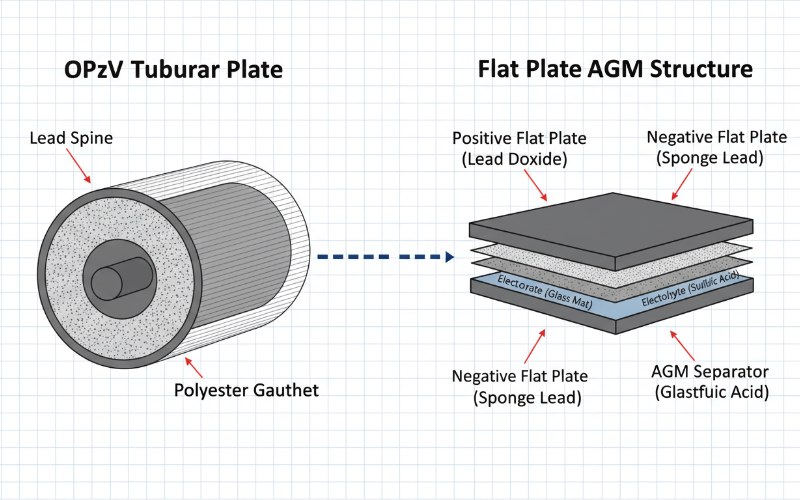
Standard AGM batteries utilize flat pasted plates. The electrolyte is absorbed into a fine fiberglass mat separator that is sandwiched between the plates. This design allows for low internal resistance, making AGM ideal for high-current discharge applications like UPS or starter batteries. However, under deep cycling, the lead dioxide paste on the positive flat plates softens and sheds over time, leading to capacity loss.
OPzV Tubular Gel Mechanics
OPzV batteries combine two advanced technologies: Tubular Positive Plates and Fumed Silica Gel Electrolyte.
Tubular Plates (Panzerplatte): Instead of a flat grid, the positive plate consists of a row of spines cast from a high-pressure die-cast lead-calcium-tin alloy. These spines are surrounded by the active material and encased in a porous polyester gauntlet. This gauntlet physically holds the active material in place, virtually eliminating the shedding that kills flat-plate batteries.
Gel Electrolyte: The sulfuric acid is mixed with fumed silica to form a thixotropic gel. This immobilizes the electrolyte, preventing stratification and ensuring uniform electrochemical reactions across the plate surface.
Cycle Life and Depth of Discharge Analysis
The primary metric for off-grid microgrids is cycle life. Microgrids cycle daily, often discharging 30% to 60% of capacity overnight. Here, the architectural differences translate into massive performance gaps.
Standard AGM batteries typically offer 500 to 800 cycles at 50% Depth of Discharge (DOD). In a daily cycling scenario, this equates to a service life of approximately 1.5 to 2.5 years before capacity drops below 80%. This forces EPCs to plan for multiple battery replacements over a 10-year contract.
In contrast, JYC Battery's OPzV cells are engineered to deliver 2,500 to 3,000 cycles at 50% DOD. By protecting the active material with tubular gauntlets, the battery resists the mechanical stress of repeated expansion and contraction during cycling. For a microgrid developer, this extends the battery bank's lifespan to 7-10 years or more, aligning the battery replacement cycle closer to the inverter and electronics lifecycle.
Partial State of Charge (PSOC) Resilience
Off-grid systems frequently face "deficit cycling" scenarios—periods of cloudy weather where the solar array cannot fully recharge the battery bank. The batteries operate in a Partial State of Charge (PSOC) for days or weeks.
The AGM Challenge: In AGM batteries, persistent PSOC operation leads to rapid acid stratification (acid concentrating at the bottom) and irreversible sulfation (lead sulfate crystals hardening on the plates). This permanently reduces capacity.
The OPzV Advantage: The gel electrolyte in OPzV batteries is immobilized, making acid stratification physically impossible. Furthermore, the tubular design and excess electrolyte volume allow OPzV batteries to recover significantly better from deep discharge and PSOC conditions. This resilience is critical for minimizing generator runtime and fuel costs in hybrid microgrids.
Technical Comparison: AGM vs OPzV
The following table provides a direct technical comparison relevant to system integrators sizing banks for remote energy storage.
Feature
Standard Deep Cycle AGM
OPzV Tubular Gel
Impact on Microgrid
Plate Technology
Flat Pasted Grid
Tubular (Die-Cast Spines)
Tubular prevents shedding, extending life significantly.
Electrolyte
Absorbed Glass Mat (Starved)
Thixotropic Silica Gel
Gel prevents stratification and improves thermal stability.
Cycle Life @ 50% DOD
~600 Cycles
~2,800 Cycles
OPzV lasts 4x longer in daily cycling applications.
Design Life (Float)
5-10 Years
15-20 Years
OPzV aligns with long-term infrastructure ROI.
Thermal Stability
Moderate (Prone to drying out)
High (Better heat dissipation)
OPzV is safer for high-temperature environments.
Internal Resistance
Very Low
Moderate
AGM is better for high surge currents; OPzV is optimized for storage.
Initial Cost
$
$$
OPzV requires higher CapEx but lower OpEx.
Thermal Runaway and Environmental Tolerance
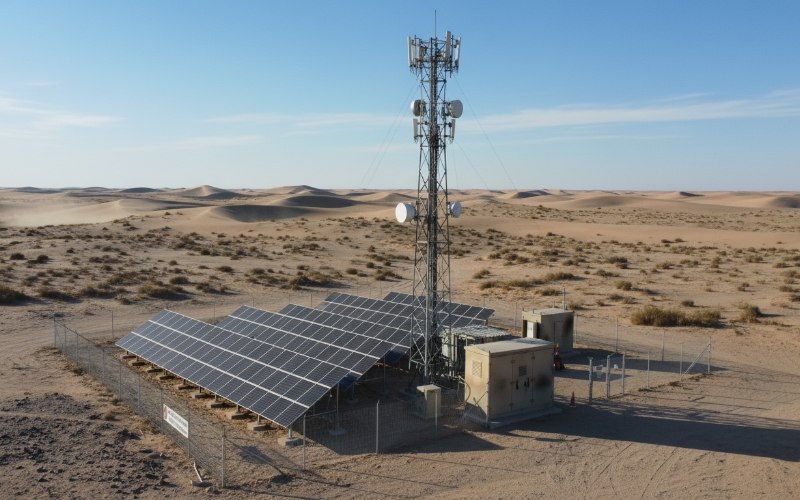
Microgrids are often deployed in challenging environments, from the scorching heat of deserts to tropical humidity. Temperature management is a key factor in lead-acid battery degradation.
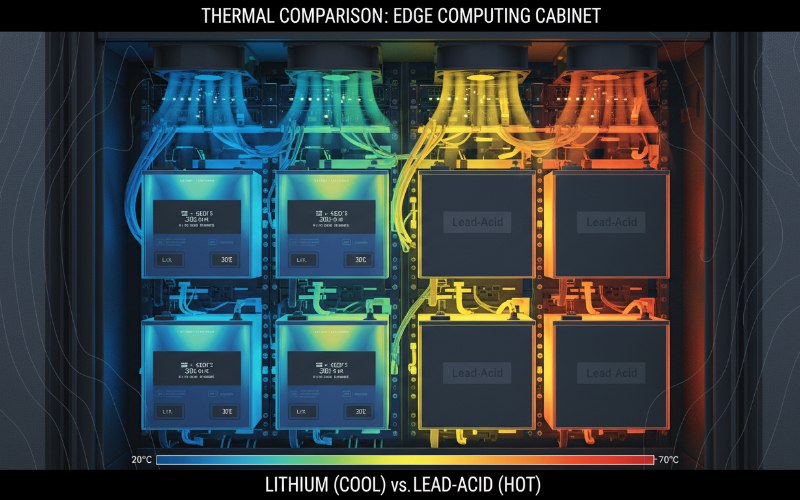
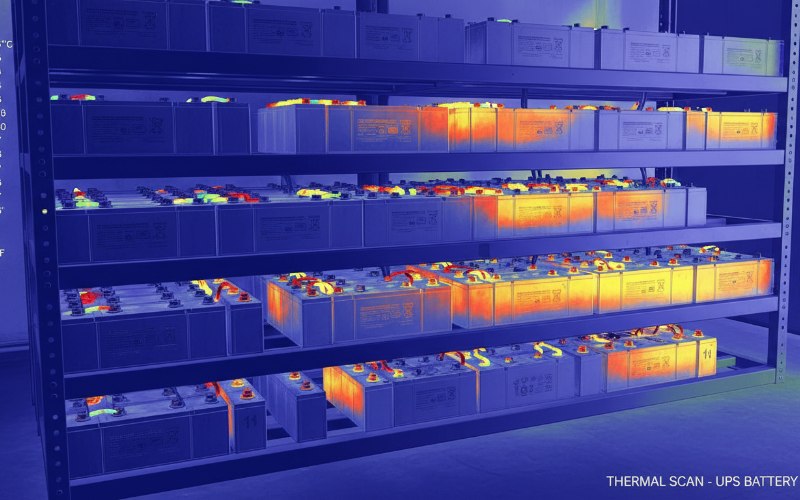
AGM batteries are sensitive to thermal runaway. As the battery heats up, the internal resistance drops, drawing more charging current, which generates more heat—a destructive cycle. Because the electrolyte is "starved" in the glass mat, there is less thermal mass to absorb this heat.
OPzV batteries have a higher electrolyte volume and a gel consistency that conducts heat efficiently to the case walls. The substantial lead spines also act as heat sinks. While no lead-acid battery should be operated consistently above 30°C without life reduction, OPzV technology is far more forgiving of temperature spikes and offers a wider safe operating temperature range (-20°C to +55°C) compared to standard AGM.
Total Cost of Ownership (TCO) Analysis
For an EPC contractor bidding on a project, the upfront cost is a major concern. AGM batteries are significantly cheaper per kWh initially. However, strategic developers focus on the Levelized Cost of Storage (LCOS).
Consider a 48V 1000Ah battery bank requirement:
Scenario A (AGM): Lower initial investment. However, due to daily cycling, the bank requires replacement every 2-3 years. Over a 15-year project, this implies 5-6 replacement cycles. This incurs not just battery costs, but massive logistics costs: shipping heavy lead batteries to remote sites, technician labor, and recycling logistics.
Scenario B (OPzV): Initial investment is approximately 2x that of AGM. However, the bank lasts 8-10 years. Over the same 15-year period, only one replacement is needed.
When factoring in logistics, downtime risks, and labor, OPzV typically delivers a 30-40% lower Total Cost of Ownership for off-grid applications. For purely standby applications like UPS where cycling is rare, AGM remains the economic winner. But for microgrids, the math favors tubular technology.
Engineering Deep Dive: Why Tubular Plates Wins
The secret to the longevity of the OPzV lies in the corrosion resistance of the spines. In a flat plate battery, the grid is responsible for both mechanical support and current conduction. As the grid corrodes, it loses mechanical integrity and contact with the active material.
In JYC's OPzV design, the lead spines are produced using high-pressure die-casting. This creates a dense, grain-refined structure that is highly resistant to electrochemical corrosion. Furthermore, because the spine is centered within the tubular gauntlet, the corrosion layer that forms actually tightens the fit of the active material, maintaining electrical contact rather than loosening it. This "compression effect" ensures capacity remains stable even as the battery ages.
Frequently Asked Questions
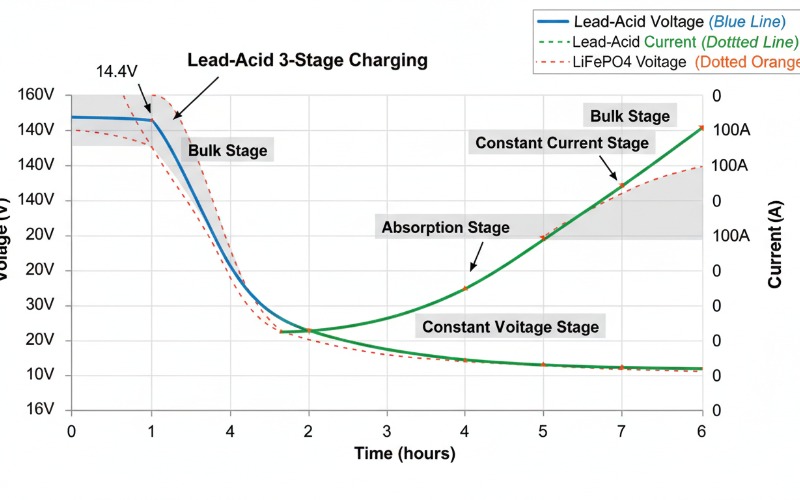
Can I replace my existing AGM bank with OPzV? Yes, but you must adjust your charge controller settings. OPzV batteries have different charging voltage requirements compared to AGM. Specifically, the float and bulk voltages must be set according to the manufacturer's datasheet to prevent drying out the gel.
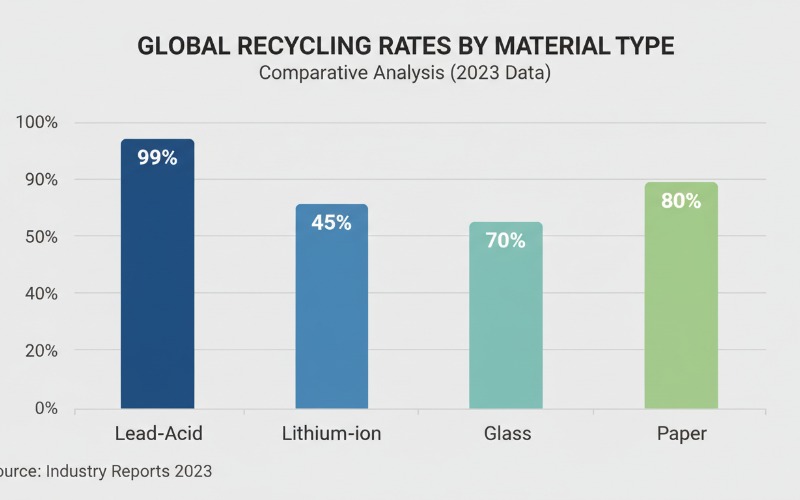
Is OPzV better than Lithium (LiFePO4)? LiFePO4 offers higher energy density and cycle life but at a higher price point and with more complex BMS requirements. OPzV remains superior for applications requiring extreme temperature tolerance, simplicity of installation (no BMS), and easier recyclability (99% recyclable).
Does OPzV require maintenance? No. OPzV batteries are VRLA (Valve Regulated Lead Acid) sealed systems. They recombine hydrogen and oxygen internally and do not require water topping. They are strictly maintenance-free regarding electrolyte.
Conclusion
For Solar EPCs and developers constructing microgrids intended to last decades, the choice is clear. While standard AGM plays a vital role in the UPS and standby power sector, it lacks the mechanical durability required for daily deep cycling.
OPzV Tubular Gel technology bridges the gap between traditional lead-acid cost structures and the high-performance demands of modern renewables. By mitigating stratification, preventing plate shedding, and enduring partial state of charge scenarios, OPzV ensures that your microgrid remains powered reliably, maximizing ROI for the long term.







 en
en  ara
ara  de
de  fra
fra  kor
kor  ru
ru  spa
spa  vie
vie