This is more than just a series of products; it is an ecosystem we have built to achieve a more efficient, reliable, and sustainable energy future. Discover how our products and solutions can create t...
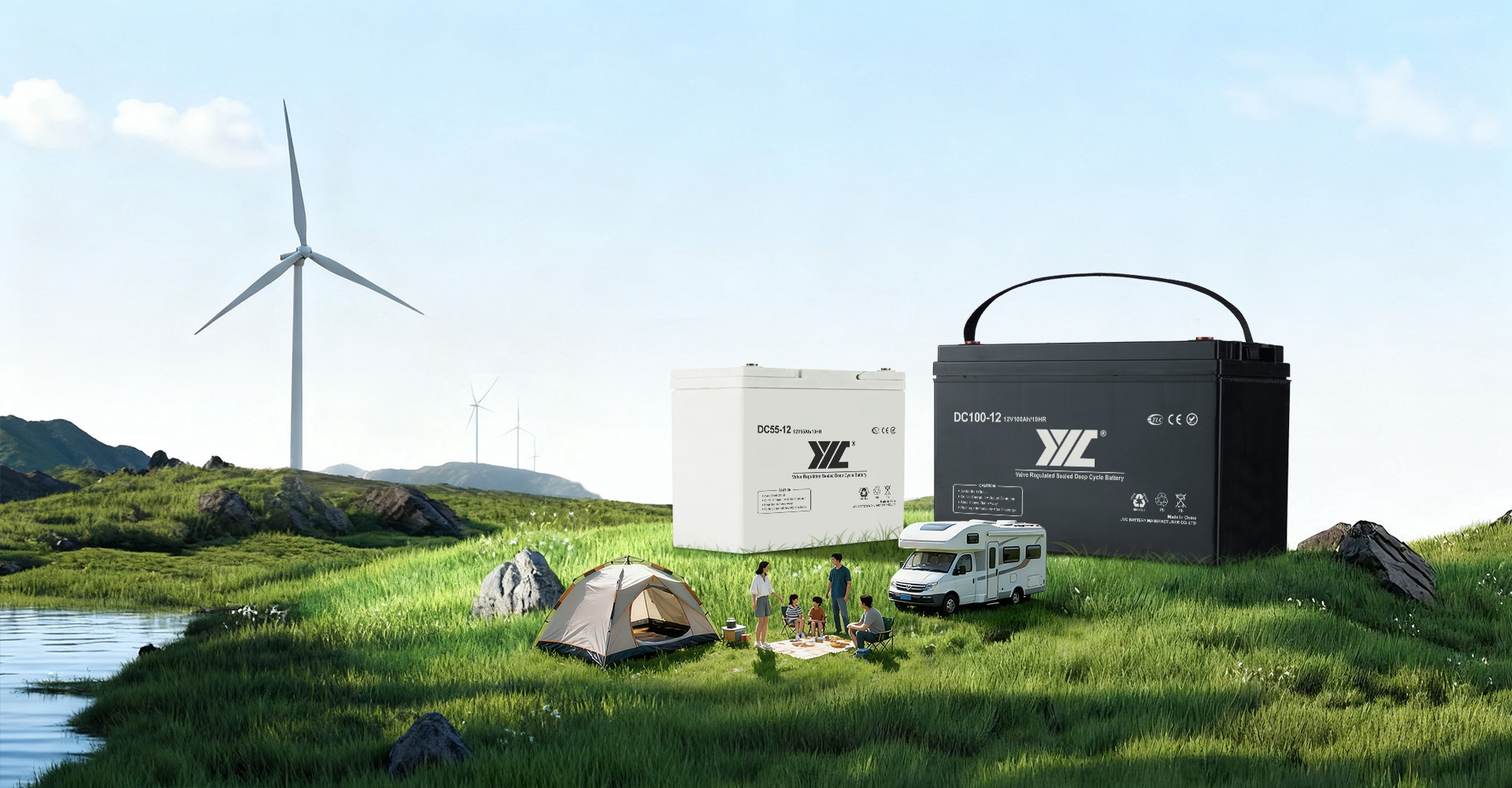
Our Industrial Batteries combine high-quality materials, robust design, and dependable performance. With excellent deep-cycle capability and easy maintenance, they are ideal for diverse applications. ...
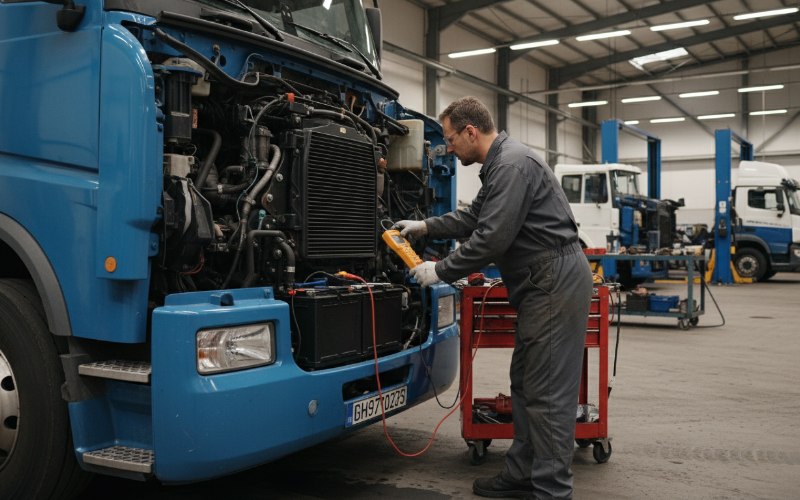
JYC Transportation batteries are a category of power storage devices specifically designed for transportation scenarios, with core functions of providing continuous, stable, and high-efficiency power ...
JYC Motive Power batteries are deep-cycle energy storage devices specifically designed for industrial and commercial vehicles and specialized equipment. Their core function is to provide continuous an...
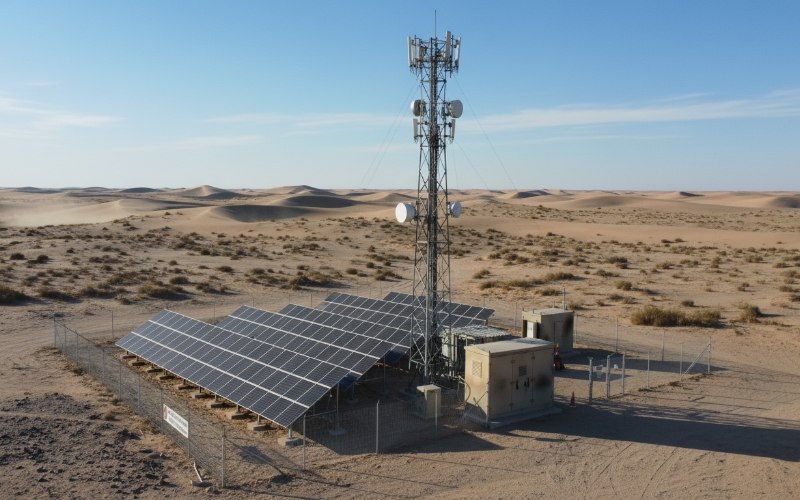
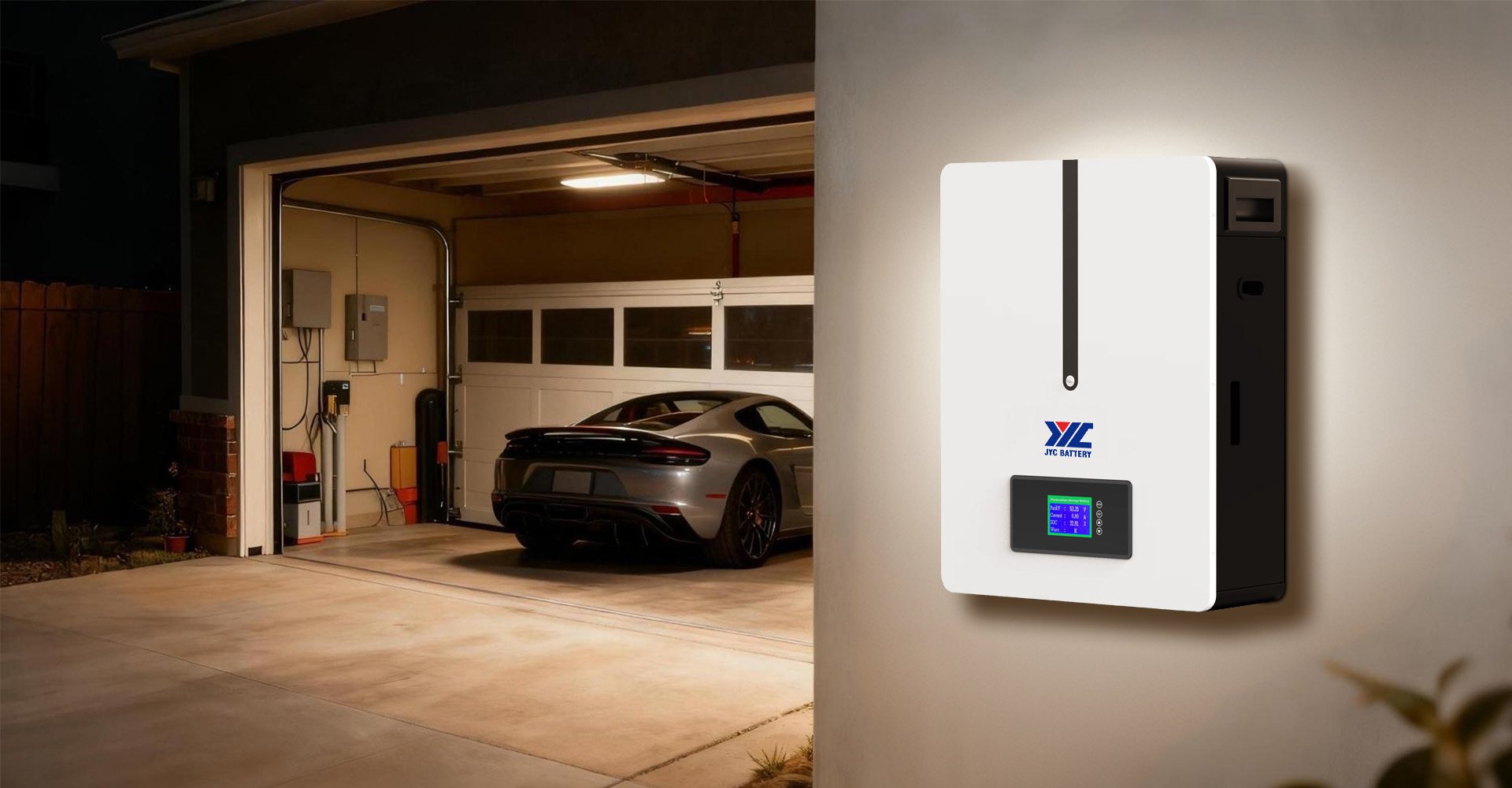
Based on the low-carbon concept, and thanks to the competitiveness of energy storage technology, lithium applications in various systems will be gradually realized globally. JYC Lithium Battery Soluti...
Focus on company news, product updates and market events. We provide continuous updates to bring you first-hand information, helping you stay informed about our development progress at all times.
Thermal Runaway Prevention in Large Scale ESS: Detection & Safety
2026-01-23 14:34:32
Large-scale Energy Storage Systems (ESS) are the backbone of modern grid resilience and renewable integration. However, the high energy density that makes these systems efficient also introduces a critical safety challenge: thermal runaway. For Safety Officers, Fire Marshals, and Facility Managers, understanding the electrochemical mechanics of failure and implementing multi-layered thermal runaway prevention strategies is not merely a compliance requirement—it is an operational imperative.
Key Takeaways: ESS Safety and Risk Mitigation
Early Detection is Critical: Thermal runaway is a progressive failure mode. Detection must occur at the off-gassing stage (before smoke or fire) to prevent catastrophic propagation.
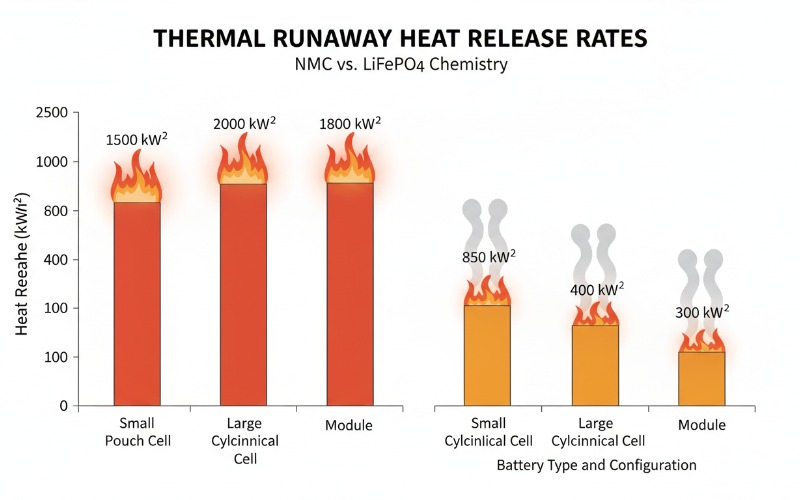
Chemistry Matters: While Lithium Iron Phosphate (LiFePO4) offers superior thermal stability compared to NMC chemistries, proper Battery Management Systems (BMS) are essential for all lithium variants.
Multi-Layered Defense: A robust safety strategy integrates cell-level monitoring, module-level isolation, and system-level fire suppression compliant with NFPA 855 and UL 9540A standards.
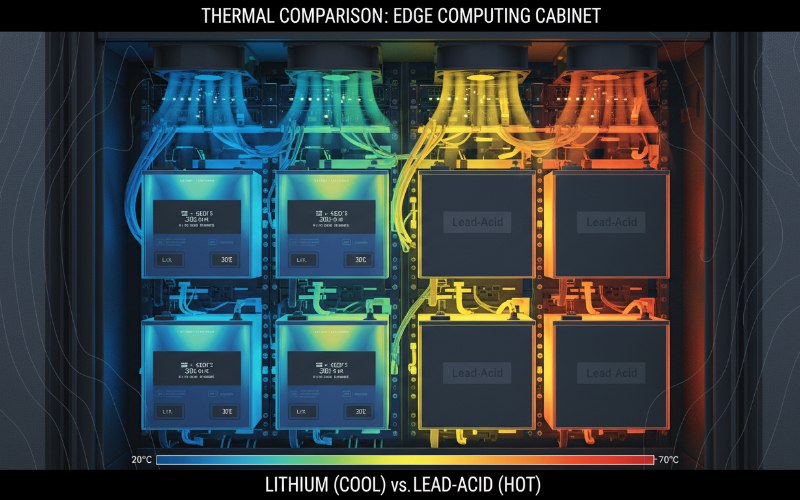
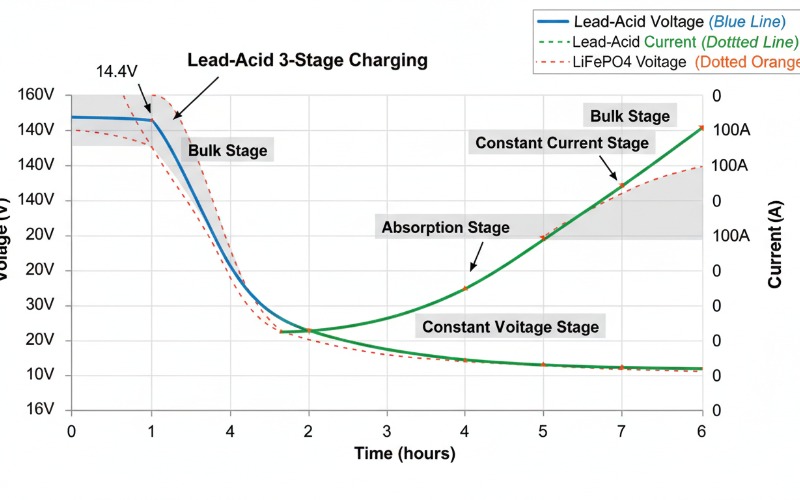
VRLA Considerations: Though less volatile, Valve Regulated Lead-Acid batteries can experience thermal runaway through float current escalation, requiring different mitigation protocols.
Understanding the Electrochemistry of Thermal Runaway
To prevent failure, one must understand the anatomy of the event. Thermal runaway is an unstoppable chain reaction where an increase in temperature changes the conditions in a way that causes a further increase in temperature. In electrochemical cells, this often leads to destructive disassembly.
The Decomposition Sequence in Lithium-Ion Cells
In high-voltage lithium battery systems, the sequence typically follows a predictable temperature-dependent pathway:
SEI Decomposition (90°C - 120°C): The Solid Electrolyte Interphase (SEI) layer on the anode breaks down. This is an exothermic reaction that raises the internal cell temperature without external indicators.
Separator Melting (130°C - 150°C): As heat builds, the polymer separator between the anode and cathode melts, causing an internal short circuit. This releases massive electrical energy as heat.
Cathode Breakdown & Oxygen Release (~180°C+): The cathode material decomposes, releasing oxygen. This oxygen fuels the combustion of the organic electrolyte, leading to rapid temperature spikes exceeding 600°C.
Note on VRLA Technology: Thermal runaway in lead-acid battery systems functions differently. It is primarily driven by charger malfunctions where excessive float voltage generates internal heat faster than the battery can dissipate it, often leading to case warping and hydrogen emission, but rarely the explosive propagation seen in lithium chemistries.
The Four Stages of ESS Failure and Detection Windows
Effective prevention relies on intervening at the earliest possible stage. The industry categorizes failure into four distinct stages:
Stage 1: Abuse Factor
This includes thermal, electrical, or mechanical abuse. A sophisticated Battery Management System (BMS) is the primary defense here, monitoring voltage, current, and temperature to disconnect the circuit before damage occurs.
Stage 2: Off-Gassing (The Golden Window)
Before a battery catches fire, it vents gases. As internal pressure rises and the cell vent opens, electrolyte vapor and decomposition gases (Hydrogen, CO2, CO, VOCs) are released. This is the critical intervention point. Traditional smoke detectors are ineffective here. Specialized off-gas detectors sensing specific VOCs or Hydrogen can trigger system shutdown and ventilation minutes before thermal runaway initiates.
Stage 3: Smoke Generation
Catastrophic failure is imminent. Temperatures are high enough to combust cell materials. Smoke detection is a standard requirement, but at this stage, the cell is likely already lost, and the goal shifts from prevention to containment.
Stage 4: Fire and Propagation
Visible flames occur. The objective becomes preventing cell-to-cell propagation (cascading failure) to save the rest of the ESS module or container.
Advanced Mitigation Strategies for Facility Managers
Mitigation strategies for large-scale ESS must address both active suppression and passive containment.
Active Cooling and Suppression
Unlike standard Class A fires, Li-ion fires are fed by chemical reactions that generate their own oxygen (from cathode decomposition) and heat. Standard oxygen starvation methods (inert gas) are often insufficient to stop the reaction once the cathode breaks down. Cooling is essential.
Water Mist Systems: High-pressure water mist is highly effective due to its immense cooling capacity (latent heat of vaporization). It extracts heat rapidly, preventing propagation to adjacent cells.
Clean Agents (Novec 1230 / FM-200): These are effective at extinguishing initial flames in the early stages (Stage 3) and protecting power electronics, but they do not provide significant cooling to the battery mass itself.
Deflagration Venting
During thermal runaway, flammable gases (Hydrogen, Ethylene, Carbon Monoxide) accumulate in the enclosure. If the concentration reaches the Lower Flammability Limit (LFL) and an ignition source is present, an explosion can occur. NFPA 855 requires explosion control, typically achieved through deflagration venting panels that direct pressure safely upward or outward, protecting the structural integrity of the container.
Comparing Suppression Agents for ESS
Selecting the right suppression agent depends on the specific battery chemistry and facility constraints. The table below analyzes common agents used in LiFePO4 and other industrial battery installations.
Suppression Agent
Primary Mechanism
Cooling Capacity
Suitability for Deep-Seated Fires
Post-Fire Cleanup
Water Sprinklers
Cooling & Wetting
High
Moderate
Difficult (Water damage risk)
Water Mist
Heat Extraction & Oxygen Displacement
Very High
High
Moderate
Clean Agents (Novec 1230)
Chemical Chain Breaking
Low
Low
Excellent (No residue)
Aerosols
Chemical Inhibition
Low
Low
Moderate (Particulates)
Comparative analysis of fire suppression agents for Lithium-Ion ESS applications.
Regulatory Compliance: NFPA 855 and UL 9540A
Compliance is the baseline for safety. Two standards dominate the landscape for ESS installation:
UL 9540A Test Method: This is a destructive test method evaluating the thermal runaway propagation characteristics of battery systems. It determines if a single cell failure will propagate to the module, unit, and installation level. Facility managers should request UL 9540A test reports from manufacturers to understand the containment capabilities of the system.
NFPA 855: The Standard for the Installation of Stationary Energy Storage Systems. It mandates spacing (3 feet between arrays), maximum stored energy limits per fire area (e.g., 600 kWh for Li-ion), and requires explosion control and smoke detection systems.
Addressing Stranded Energy Risks
One of the most dangerous aspects of an ESS fire is "stranded energy." Even after a fire is suppressed, the batteries may still hold a significant electrical charge. Damaged cells can reignite hours or even days later (re-flash) if the internal short circuit persists or if mechanical damage occurs during cleanup.
Procedural Advice for Fire Marshals:
Never assume a battery is safe just because the flames are out.
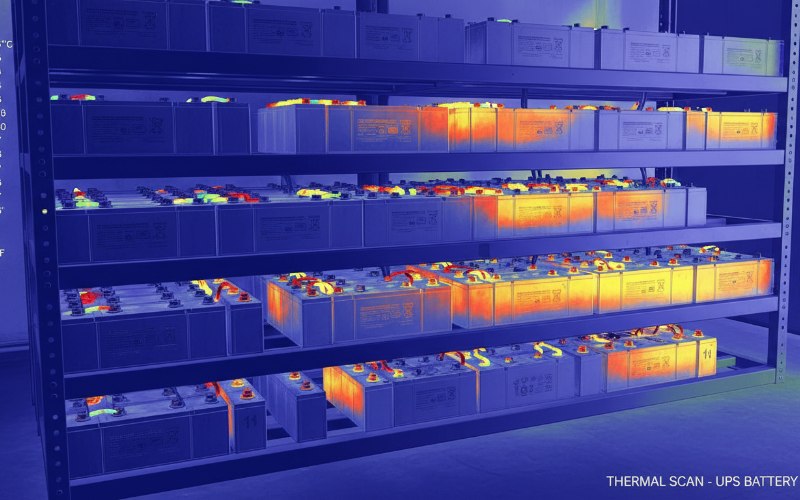
Use thermal imaging cameras to monitor for hot spots within the battery racks.
Establish a fire watch for at least 24 hours post-incident.
Consult with the battery manufacturer regarding safe discharge or neutralization procedures before removal.
Frequently Asked Questions
What is the main cause of thermal runaway in ESS?
The primary causes are internal short circuits (due to manufacturing defects or dendrite growth), external short circuits, overcharging (BMS failure), or exposure to excessive external heat. In lead-acid systems, it is predominantly caused by charger failure leading to grid corrosion and electrolyte dry-out.
Can LiFePO4 batteries experience thermal runaway?
Yes, but the risk is significantly lower than Nickel Manganese Cobalt (NMC) chemistries. LiFePO4 (LFP) has a higher thermal runaway onset temperature (~270°C) and releases less oxygen during decomposition, resulting in a less violent reaction. However, prevention systems are still mandatory.
What is the difference between thermal runaway and thermal walkaway?
Thermal Runaway is an accelerating, self-sustaining increase in temperature usually associated with lithium batteries. Thermal Walkaway often refers to a slower process in VRLA batteries where charge current increases over time due to heating, but it can usually be stopped by cutting the charge current before catastrophic failure occurs.
Why is off-gas detection better than smoke detection for batteries?
Off-gas detection identifies the failure at Stage 2 (venting), providing a window of minutes to disconnect and cool the system before fire starts. Smoke detection identifies failure at Stage 3, when the fire is imminent or already present, leaving little time for prevention.
JYC Battery is a global leader in battery manufacturing, offering advanced LiFePO4 and VRLA energy storage solutions engineered with safety and reliability at their core.




 en
en  ara
ara  de
de  fra
fra  kor
kor  ru
ru  spa
spa  vie
vie