This is more than just a series of products; it is an ecosystem we have built to achieve a more efficient, reliable, and sustainable energy future. Discover how our products and solutions can create t...
Our Industrial Batteries combine high-quality materials, robust design, and dependable performance. With excellent deep-cycle capability and easy maintenance, they are ideal for diverse applications. ...
JYC Transportation batteries are a category of power storage devices specifically designed for transportation scenarios, with core functions of providing continuous, stable, and high-efficiency power ...
JYC Motive Power batteries are deep-cycle energy storage devices specifically designed for industrial and commercial vehicles and specialized equipment. Their core function is to provide continuous an...
Based on the low-carbon concept, and thanks to the competitiveness of energy storage technology, lithium applications in various systems will be gradually realized globally. JYC Lithium Battery Soluti...
Focus on company news, product updates and market events. We provide continuous updates to bring you first-hand information, helping you stay informed about our development progress at all times.
Absorbed Glass Mat Technology: The Engineering Backbone of Efficient Solar Storage
2025-12-22 18:38:36
In the evolving landscape of renewable energy storage, the debate between chemistry types often overshadows the critical engineering nuances within specific technologies. For B2B solar system integrators and energy engineers, understanding the physics behind Absorbed Glass Mat technology (AGM) is essential for designing reliable, cost-effective off-grid and hybrid systems. While Lithium-ion is gaining traction, advanced AGM VRLA (Valve Regulated Lead Acid) batteries remain the workhorse for critical infrastructure due to their stability, cost-profile, and safety.
At JYC Battery, we leverage over two decades of electrochemical R&D to push the boundaries of AGM performance. This technical analysis explores the structural integrity, recombination efficiency, and active material utilization that defines premium Absorbed Glass Mat technology in solar applications.
The Electrochemical Mechanics of Absorbed Glass Mat Technology
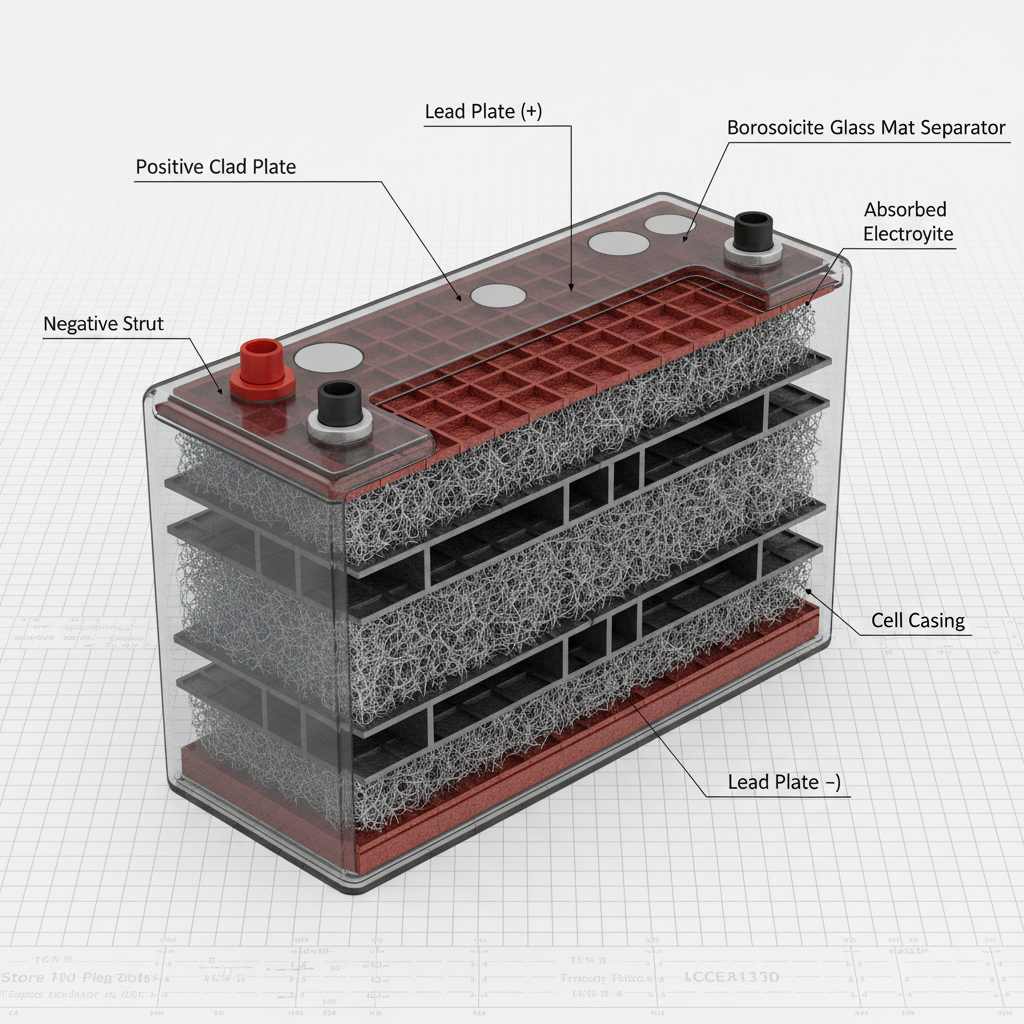
Unlike flooded lead-acid batteries where the plates are submerged in a liquid electrolyte pool, Absorbed Glass Mat technology utilizes a highly porous borosilicate glass fiber separator. This separator acts as a sponge, immobilizing the electrolyte (diluted sulfuric acid) while maintaining direct contact with the positive and negative plates.
The Oxygen Recombination Cycle
The defining feature of high-quality AGM batteries is the Oxygen Recombination Efficiency, which typically exceeds 99% in JYC products. During the charging phase, oxygen is generated at the positive plate. In a flooded battery, this gas would bubble up and escape, requiring water replenishment. However, the microstructure of the glass mat allows this oxygen to migrate through the pores to the negative plate.
At the negative plate, a chemical reaction recombines the oxygen with hydrogen to form water, returning moisture to the electrolyte. This Internal Recombination Cycle is what classifies the battery as "maintenance-free." It prevents the dry-out failures common in traditional batteries and eliminates the need for specific gravity checks.
Why Solar Integrators Rely on Advanced AGM
For solar integration, the internal resistance of the storage medium is a critical KPI. Absorbed Glass Mat technology inherently offers lower internal resistance compared to Gel or Flooded alternatives. This physical characteristic translates into three major benefits for PV systems:
High Current Acceptance: Solar irradiance is intermittent. AGM batteries can accept high charge currents rapidly, allowing the system to capture maximum energy during peak sun hours without thermal runaway.
Deep Discharge Recovery: JYC’s proprietary grid alloy additives enhance the battery's ability to recover from deep discharge states (DOD), a frequent occurrence in off-grid solar setups.
Vibration and Shock Resistance: The tight packing of the glass mat and plates creates a compressed internal structure. This makes AGM ideal for mobile solar trailers or installations in regions prone to seismic activity.
JYC’s Manufacturing Superiority: The Grid Difference
Not all Absorbed Glass Mat technology is created equal. The longevity of an AGM battery is heavily dictated by the corrosion resistance of its grids. At JYC Battery’s 100,000+ sqm manufacturing base, we utilize advanced Punching Grid Technology rather than traditional gravity casting for our high-end solar series.
This automated process results in a grid structure that is denser and more uniform, significantly reducing grid corrosion and plate growth over time. When combined with our high-purity lead (99.997%), JYC AGM batteries deliver superior cyclic life at 50% and 80% DOD compared to market averages.
For projects requiring even higher cyclic capabilities, integrators often explore our Deep Cycle Series or compare the TCO against our LiFePO4 solutions.
Technical Comparison: AGM vs. Gel vs. Flooded for Solar
Feature
Absorbed Glass Mat (AGM)
GEL VRLA
Flooded Lead-Acid
Electrolyte State
Immobilized in Glass Mat
Immobilized in Silica Gel
Liquid (Free Flowing)
Internal Resistance
Ultra-Low (Best for High Surge)
Medium
Low
Maintenance
None (VRLA)
None (VRLA)
High (Watering Required)
Charge Efficiency
~95-99%
~90-95%
~85-90%
Cost per kWh
Moderate
High
Low
Best Solar Use Case
High load, cold temp, backup
High temp, slow discharge
Budget, ventilated areas
Comparative analysis of Absorbed Glass Mat technology versus other lead-acid chemistries.
Optimizing System Life: Temperature and Charging
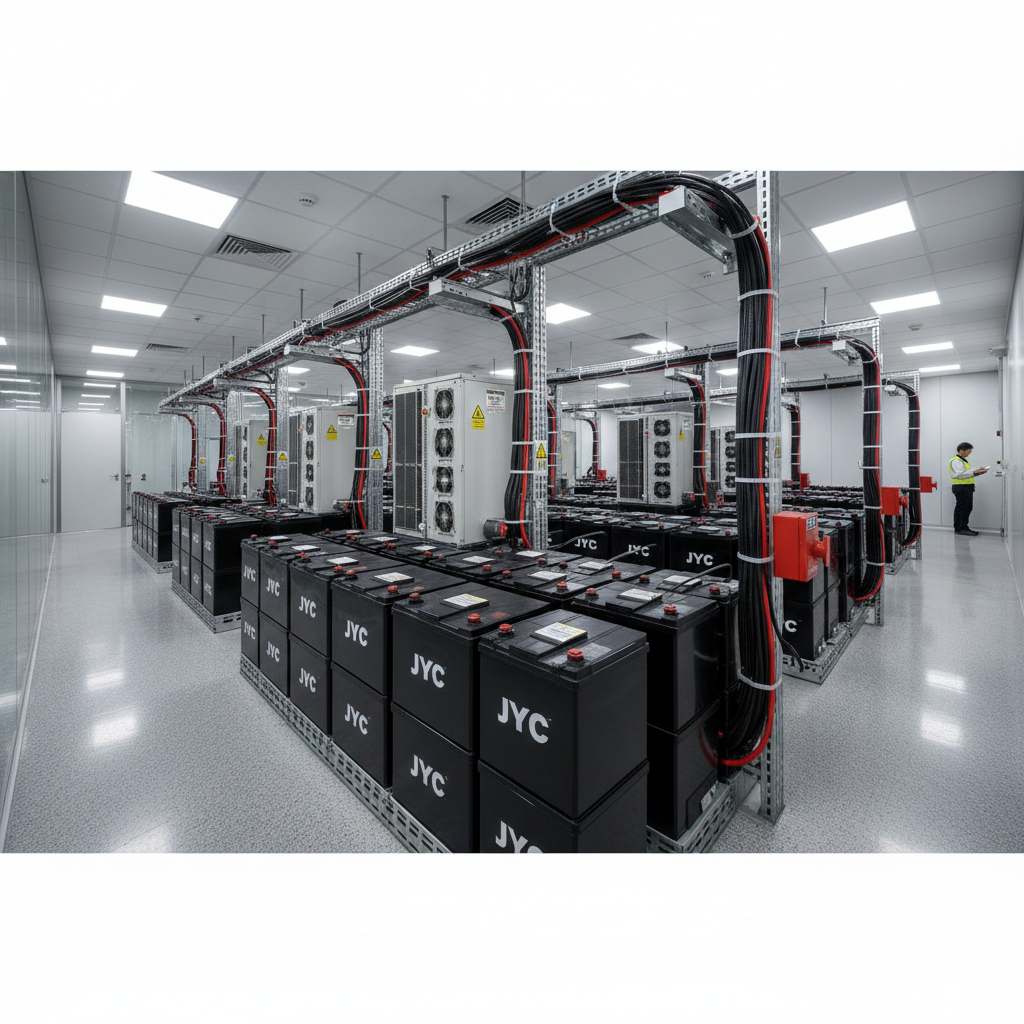
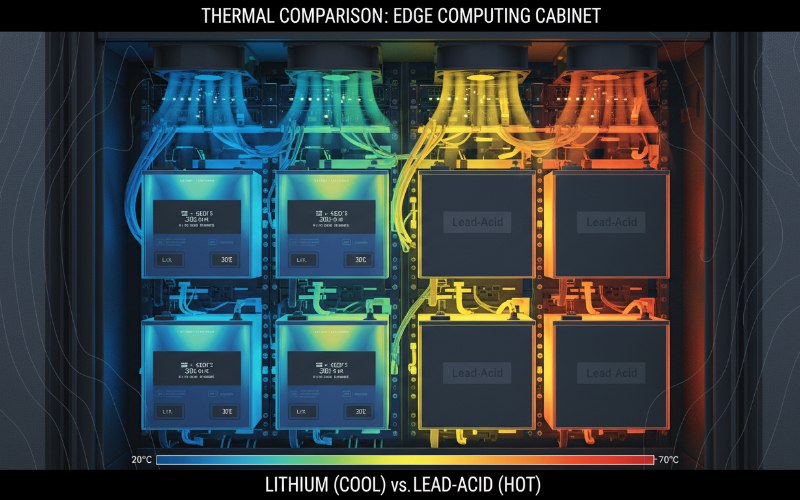
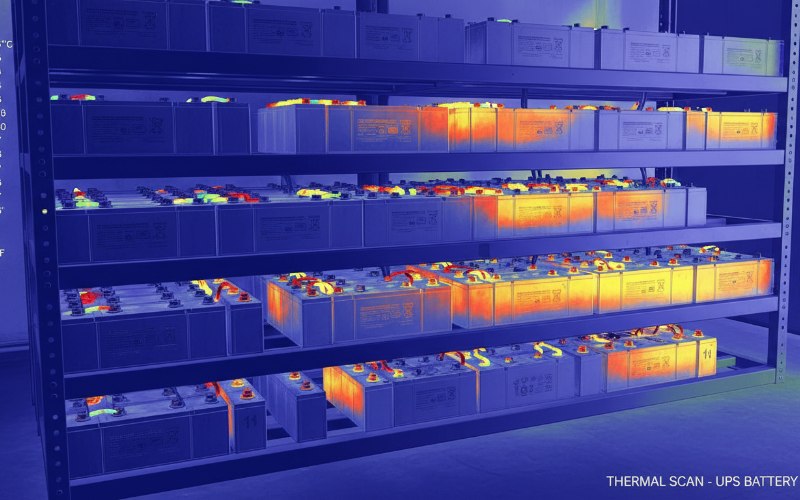
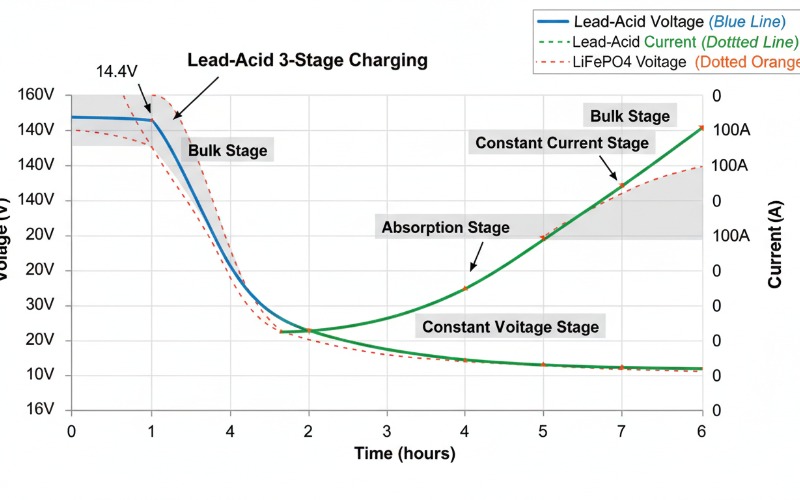
While Absorbed Glass Mat technology is robust, thermal management remains key to maximizing ROI. The recombination reaction is exothermic; therefore, proper spacing between battery blocs in a rack is mandatory to allow heat dissipation. We recommend a temperature-compensated charging voltage of -3mV/°C/cell to prevent overcharging in hot climates or undercharging in cold environments.
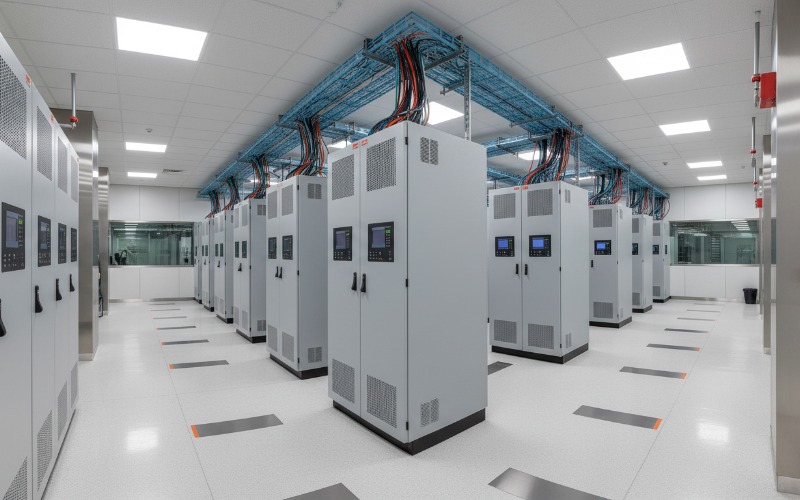
Integrators designing systems for data centers should also reference our specific UPS Battery High Rate Series, which utilizes thinner plates within the AGM architecture to maximize surface area for rapid discharge.
Conclusion: The JYC Commitment to Quality
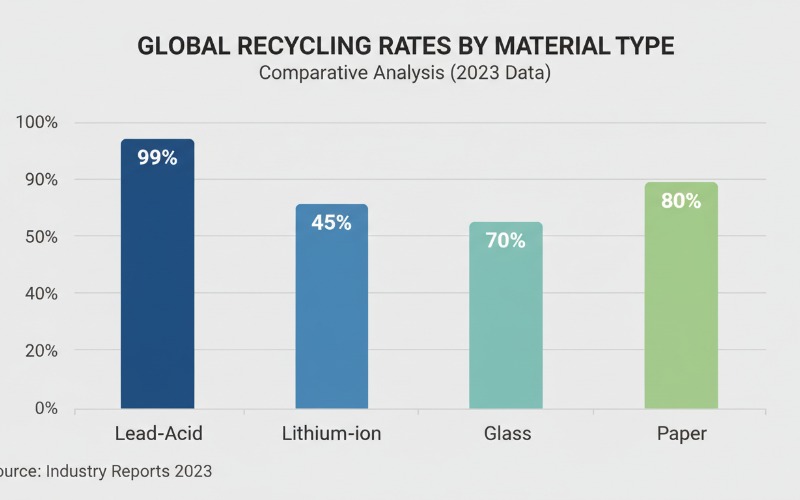
Absorbed Glass Mat technology remains a cornerstone of global energy storage due to its balance of performance, safety, and recyclability. JYC Battery’s commitment to automated manufacturing, rigorous ISO quality control, and certified compliance (UL, CE, IEC) ensures that our partners receive batteries that perform exactly as specified.
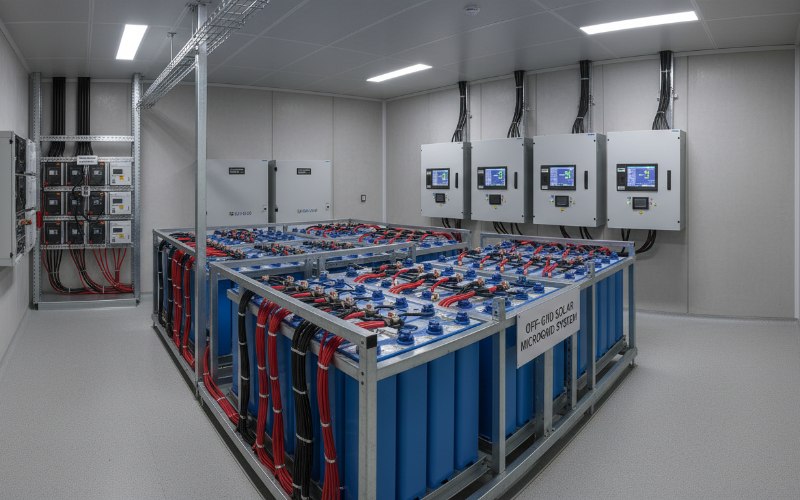
Whether you are scaling a telecom microgrid or a residential solar storage array, the quality of the AGM separator and the grid alloy will dictate your long-term success. Trust in JYC’s engineering expertise to power your projects.
Ready to optimize your energy storage systems?Contact our engineering team today for datasheets, cycling curves, and bulk pricing on our premium AGM solar series.







 en
en  ara
ara  de
de  fra
fra  kor
kor  ru
ru  spa
spa  vie
vie