This is more than just a series of products; it is an ecosystem we have built to achieve a more efficient, reliable, and sustainable energy future. Discover how our products and solutions can create t...
Our Industrial Batteries combine high-quality materials, robust design, and dependable performance. With excellent deep-cycle capability and easy maintenance, they are ideal for diverse applications. ...
JYC Transportation batteries are a category of power storage devices specifically designed for transportation scenarios, with core functions of providing continuous, stable, and high-efficiency power ...
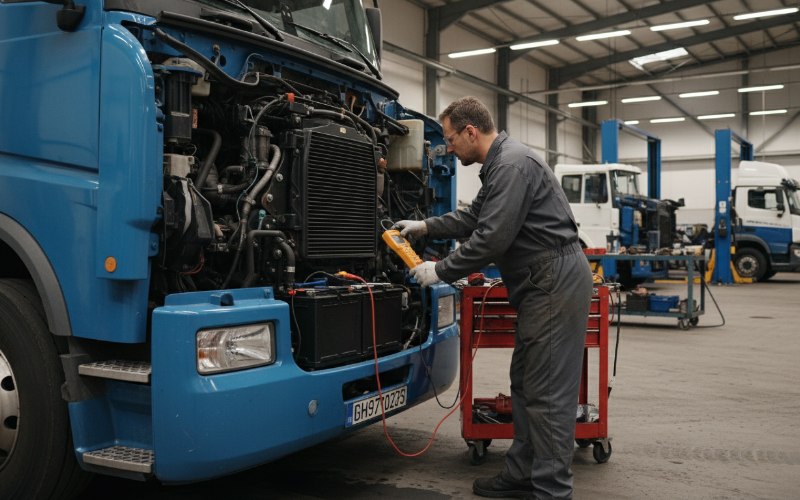
JYC Motive Power batteries are deep-cycle energy storage devices specifically designed for industrial and commercial vehicles and specialized equipment. Their core function is to provide continuous an...
Based on the low-carbon concept, and thanks to the competitiveness of energy storage technology, lithium applications in various systems will be gradually realized globally. JYC Lithium Battery Soluti...
Focus on company news, product updates and market events. We provide continuous updates to bring you first-hand information, helping you stay informed about our development progress at all times.
In the rapidly evolving landscape of photovoltaic (PV) energy storage, selecting the correct chemical composition and structural design is critical for maximizing Levelized Cost of Energy (LCOE). While Lithium-ion technology garners significant headlines, advanced lead acid battery types remain the backbone of global stationary storage due to their proven reliability, safety profile, and cost-efficiency. As a specialized solar system integrator, understanding the electrochemical nuances between AGM, GEL, and OPzV technologies is essential for deploying systems that withstand rigorous cycling and harsh environmental conditions.
The Electrochemical Evolution: Beyond Basic Flooded Batteries
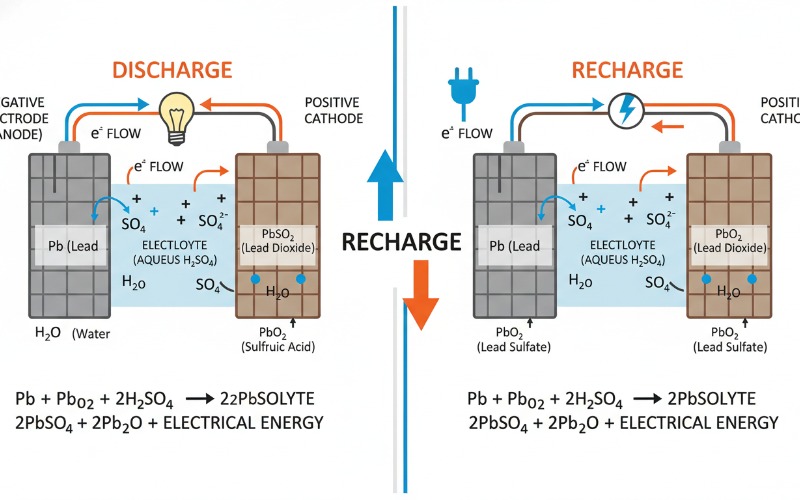
Traditional flooded lead-acid batteries, while historically significant, require regular maintenance (distilled water top-ups) and ventilation systems to manage off-gassing. For modern commercial and industrial (C&I) applications, the industry has shifted almost exclusively to Valve Regulated Lead-Acid (VRLA) technology. VRLA batteries utilize an internal oxygen recombination cycle, allowing for a sealed, maintenance-free design that prevents electrolyte stratification and minimizes corrosion.
VRLA AGM (Absorbent Glass Mat) Technology
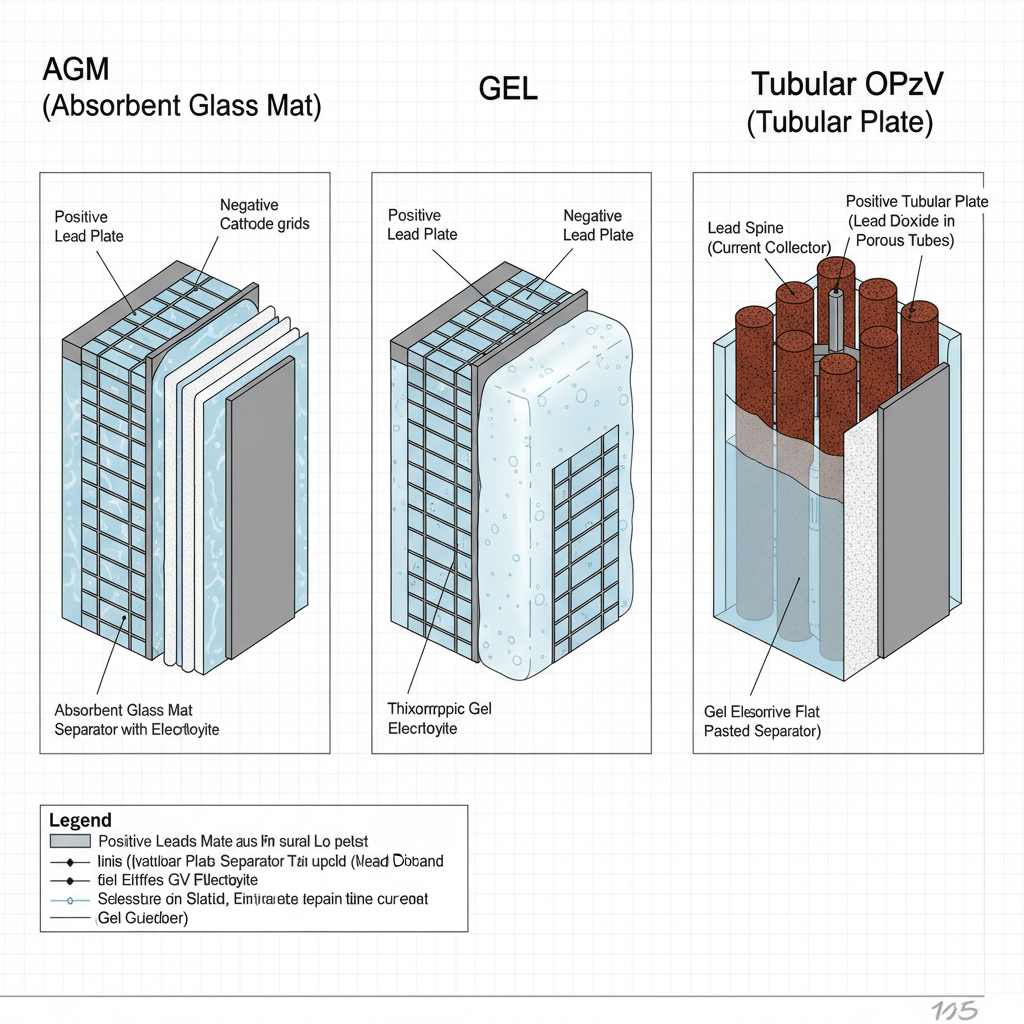
Among the most prevalent lead acid battery types in the solar sector is the AGM battery. In this architecture, the electrolyte is suspended in a fiberglass mat separator that acts as a sponge. This design ensures that the electrolyte remains in constant contact with the active plate material, significantly lowering internal resistance.
Technical Advantages for Solar Applications
High Current Discharge: Due to low internal resistance, AGM batteries can deliver high surge currents, making them ideal for systems with heavy motor startups or inverters with high peak loads.
Charge Efficiency: They accept charge more rapidly than flooded types, which is crucial for solar systems with limited peak sun hours.
Cost-Benefit Ratio: AGM offers a compelling entry price point for off-grid and backup systems where the budget is a primary constraint.
However, standard AGM batteries are sensitive to Depth of Discharge (DOD). For optimal lifespan, JYC recommends sizing battery banks to limit discharge to 50% DOD, ensuring cycle life longevity.
2. VRLA GEL Batteries: Thermal Stability Masters
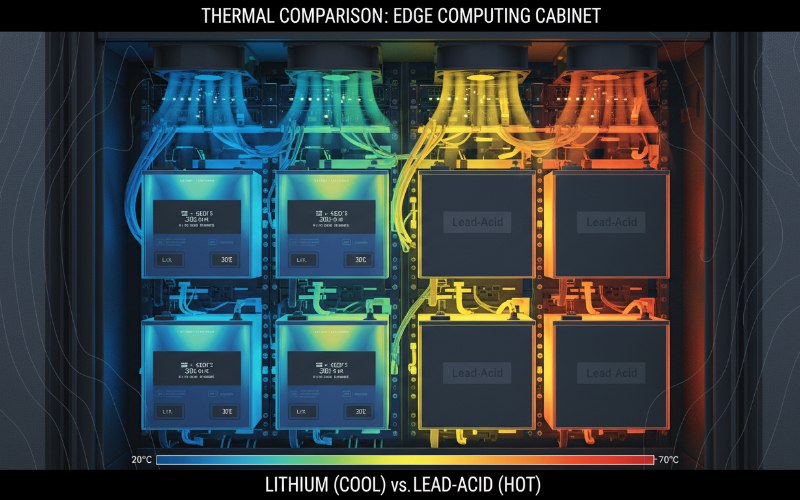
GEL technology modifies the electrolyte by adding silica dust, turning the sulfuric acid into a thick, thixotropic jelly. This immobilization of the electrolyte provides distinct advantages over AGM in specific environmental conditions, particularly regarding thermal runaway prevention.
Why Integrators Choose GEL
For solar installations in high-temperature regions (such as the Middle East or Southeast Asia), GEL batteries are often superior. The gelled electrolyte improves heat dissipation and is more resistant to electrolyte evaporation. furthermore, GEL batteries generally exhibit better deep-cycle recovery capabilities than standard AGM, tolerating deeper discharges without immediate sulfation damage.
3. OPzV (Tubular GEL): The Pinnacle of Lead-Acid Longevity
When discussing lead acid battery types for mission-critical, long-duration energy storage, OPzV battery (Ortsfest Panzerplatte Verschlossen) stands unrivaled. This technology combines the maintenance-free benefits of GEL electrolyte with robust tubular positive plate technology.
The Tubular Plate Advantage
Unlike flat plates found in AGM and standard GEL batteries, OPzV batteries utilize a tubular design for the positive plate. This structure physically retains the active material, preventing shedding during deep cycling. The result is a battery capable of 20+ years of design life and cycle counts that rival entry-level lithium solutions (often exceeding 1,500 cycles at 80% DOD).
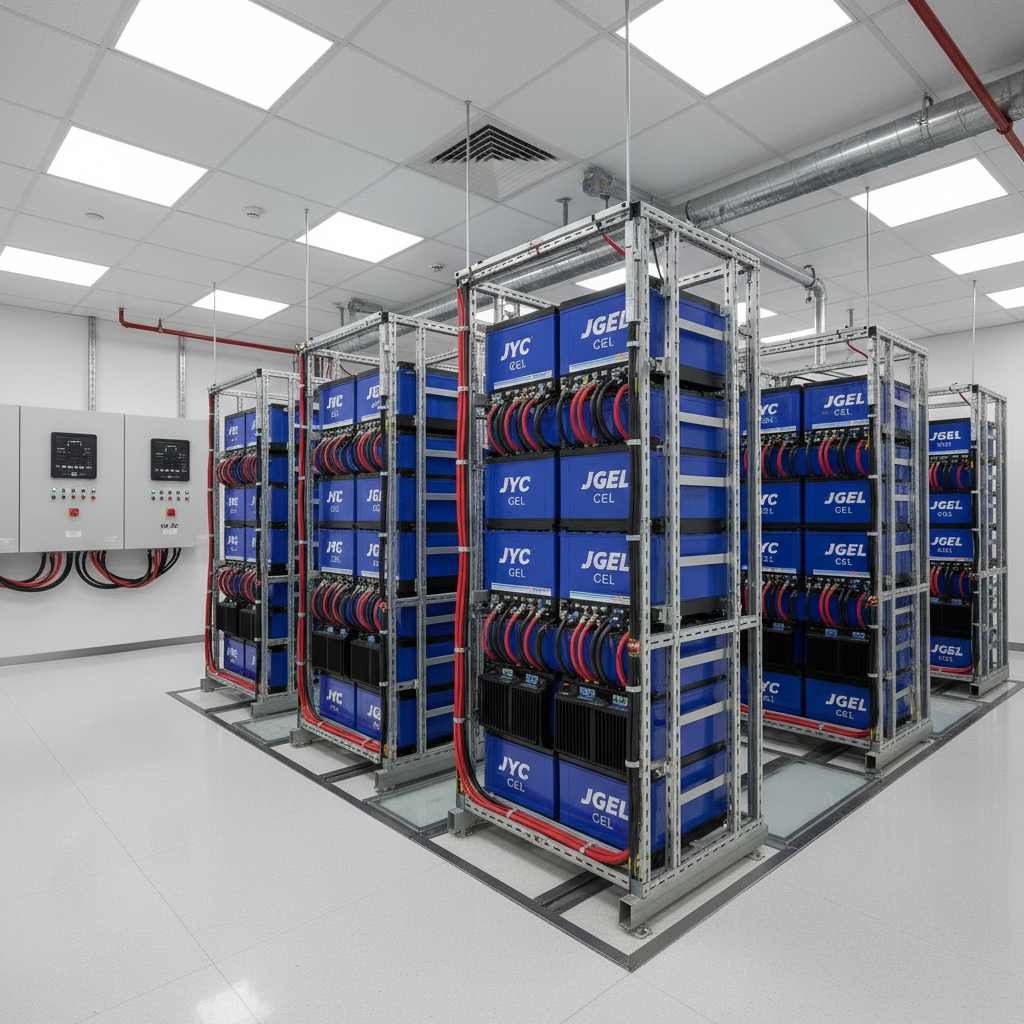
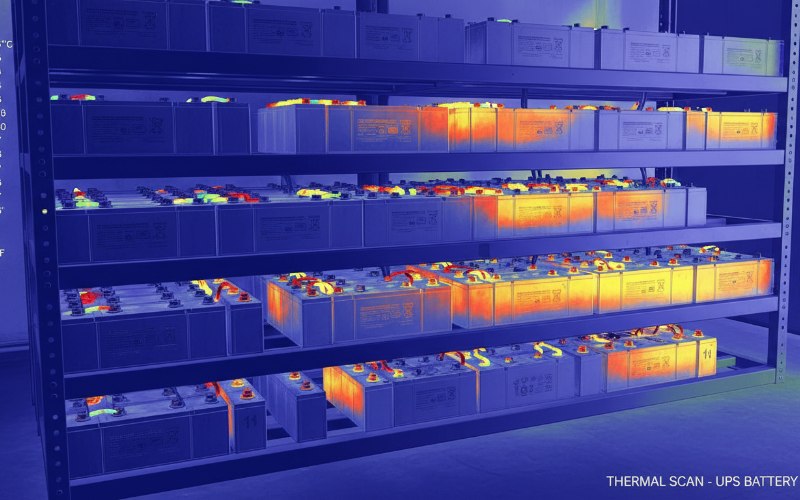
For large-scale UPS/Data Center applications or remote telecom towers, OPzV provides the highest reliability among lead-based chemistries.
Comparative Analysis: Selecting the Right Type Lead Acid Batteries
Feature
VRLA AGM
VRLA GEL
OPzV (Tubular)
Design Life
5-10 Years
10-12 Years
15-20 Years
Cycle Life (@ 50% DOD)
~500-600 Cycles
~700-800 Cycles
~2500+ Cycles
Thermal Tolerance
Moderate
High
Very High
Initial Cost
Low
Medium
High
Ideal Application
Backup Power / Hybrid Solar
High Temp Solar
Critical Infrastructure / Off-Grid
Comparison of Key Performance Metrics across Lead-Acid Technologies
JYC Battery Manufacturing Excellence
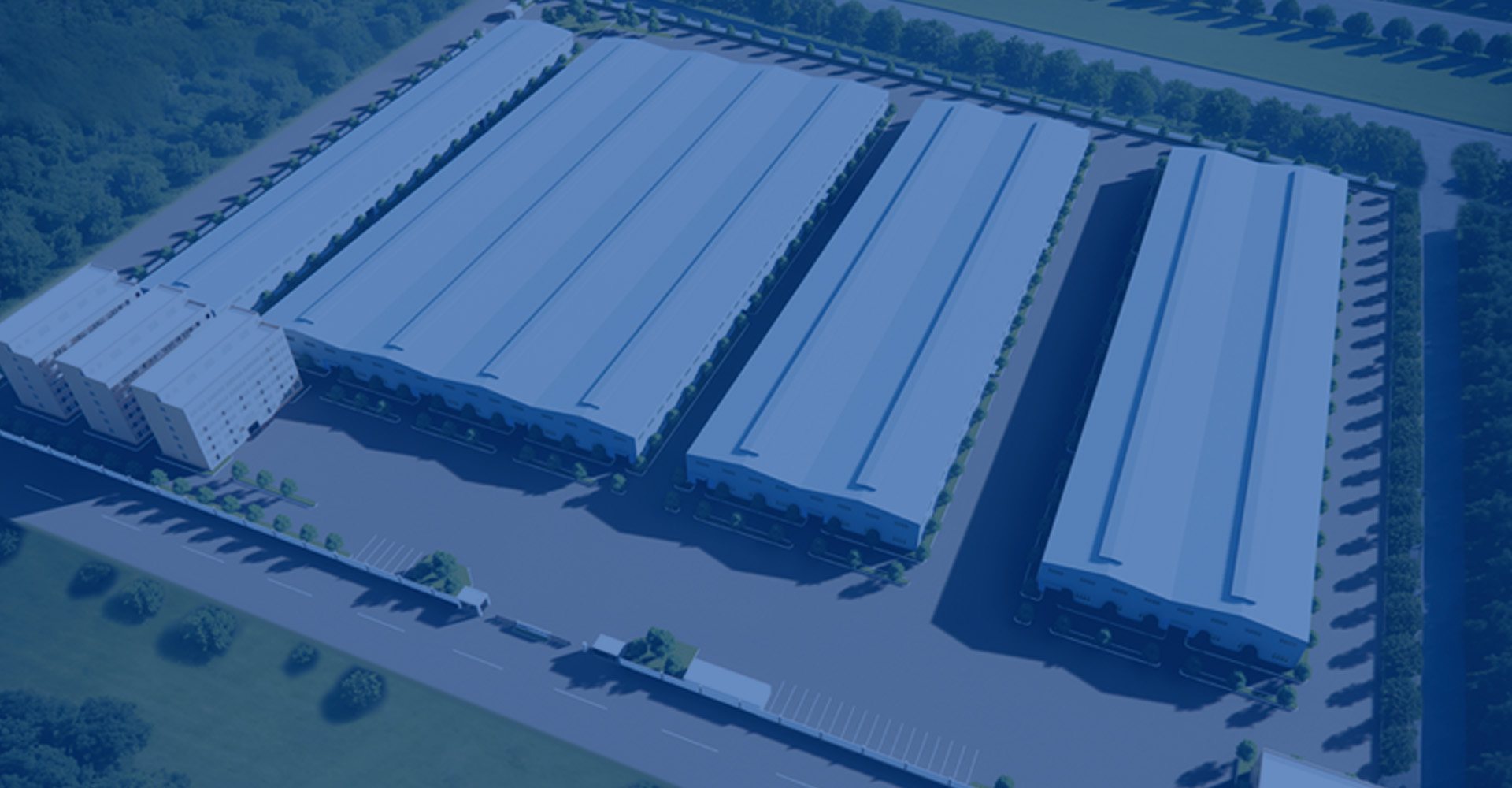
The performance of any battery type is ultimately dictated by the quality of manufacturing. At JYC Battery, we operate a 100,000 square meter manufacturing base equipped with fully automated production lines. Our specialized casting and punching grid technology ensures high-density active material adhesion, which is critical for preventing premature failure in both AGM and GEL variants.
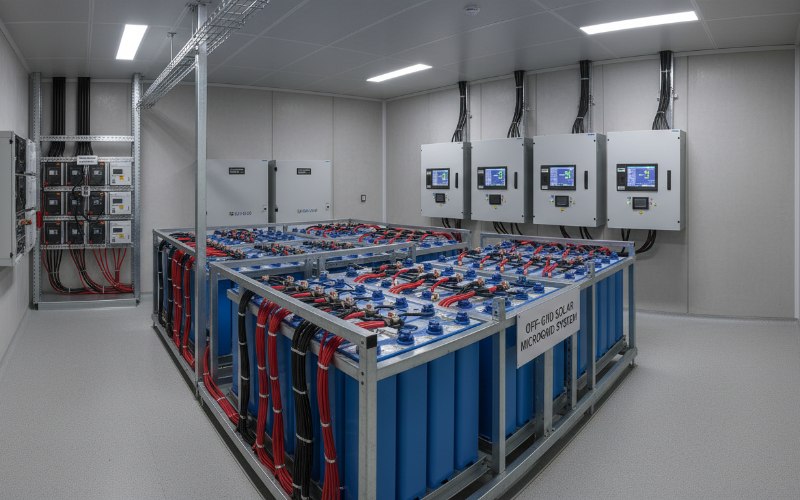
Whether you require standard deep-cycle AGM for a residential project or robust OPzV banks for industrial microgrids, our rigorous QC protocols (including IEC, UL, and CE certifications) guarantee consistency. We control every step of the process, from raw lead processing to the final formation charge.
Conclusion: Engineering the Right Solution
Choosing between lead acid battery types is not merely a question of cost, but of engineering alignment. For systems requiring infrequent discharge, AGM provides excellent ROI. For demanding cycling in harsh environments, GEL or OPzV are the professional choices.
Are you designing a large-scale energy storage system? Contact JYC Battery's engineering team today for a consultation on the optimal battery chemistry for your specific load profile and environmental conditions.






 en
en  ara
ara  de
de  fra
fra  kor
kor  ru
ru  spa
spa  vie
vie