This is more than just a series of products; it is an ecosystem we have built to achieve a more efficient, reliable, and sustainable energy future. Discover how our products and solutions can create t...
Our Industrial Batteries combine high-quality materials, robust design, and dependable performance. With excellent deep-cycle capability and easy maintenance, they are ideal for diverse applications. ...
JYC Transportation batteries are a category of power storage devices specifically designed for transportation scenarios, with core functions of providing continuous, stable, and high-efficiency power ...
JYC Motive Power batteries are deep-cycle energy storage devices specifically designed for industrial and commercial vehicles and specialized equipment. Their core function is to provide continuous an...
Based on the low-carbon concept, and thanks to the competitiveness of energy storage technology, lithium applications in various systems will be gradually realized globally. JYC Lithium Battery Soluti...
Focus on company news, product updates and market events. We provide continuous updates to bring you first-hand information, helping you stay informed about our development progress at all times.
In the competitive landscape of solar energy storage, the selection of battery chemistry significantly impacts the Levelized Cost of Energy (LCOE) and the long-term reliability of off-grid and hybrid systems. For B2B solar system integrators and EPCs, the terminology can often be simplified, yet the electrochemical distinctions are profound. When clients ask about the difference between a GEL vs. lead-acid battery, they are typically comparing advanced VRLA (Valve Regulated Lead-Acid) GEL technology against traditional Flooded or Standard AGM (Absorbent Glass Mat) configurations.
While Lithium-ion solutions, such as LiFePO4, are gaining market share, GEL lead-acid batteries remain the superior choice for specific high-temperature, cost-sensitive, and safety-critical applications. Drawing on over 20 years of manufacturing expertise at JYC Battery, this technical guide dissects the internal architecture, cycle life capabilities, and thermal resilience of GEL batteries compared to standard lead-acid counterparts.
The Electrochemical Distinction: What Defines a GEL Battery?
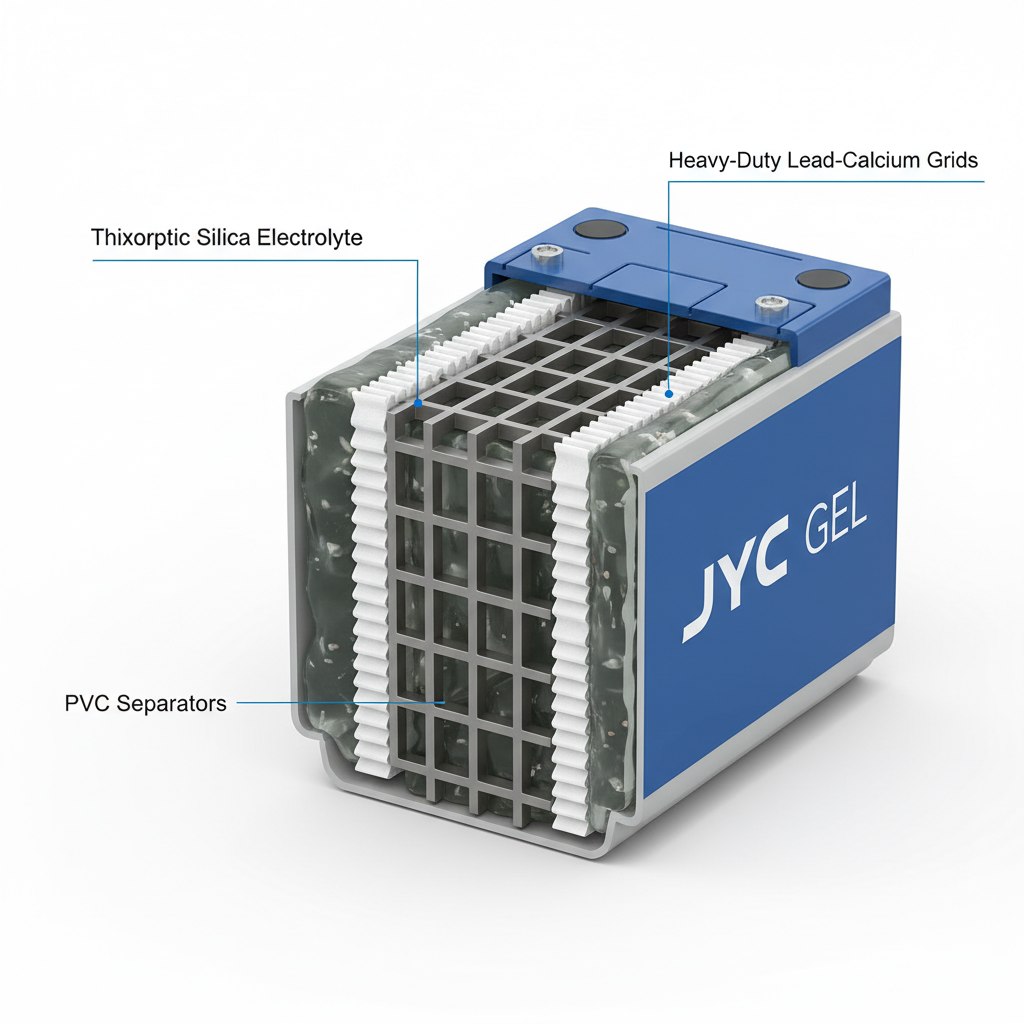
To understand the comparison, we must first clarify the taxonomy. A GEL battery is, by definition, a lead-acid battery. However, unlike traditional Flooded (Wet Cell) batteries where the sulfuric acid electrolyte is in a liquid state, or AGM batteries where it is absorbed in glass mats, GEL batteries utilize a thixotropic silica gel.
At JYC Battery, we engineer our GEL series by mixing fumed silica with diluted sulfuric acid. This mixture immobilizes the electrolyte, transforming it into a solid-like gel mass. This unique physical state eliminates acid stratification—a primary failure mode in standard lead-acid batteries used in solar applications—and significantly enhances vibration resistance.
GEL vs. Standard Lead-Acid (AGM/Flooded): Key Performance Metrics
For solar integrators, the decision matrix relies on three pillars: Cycle Life, Thermal Stability, and Maintenance ROI. Below is a comparative analysis of JYC GEL technology versus standard lead-acid architectures.
Performance Metric
Flooded Lead-Acid
Standard AGM
JYC Deep Cycle GEL
Electrolyte State
Liquid (Requires Watering)
Absorbed in Glass Mat
Immobilized Thixotropic Gel
Cycle Life (50% DOD)
300 - 500 Cycles
500 - 600 Cycles
1,200+ Cycles
Thermal Stability
Low (Evaporation risk)
Moderate (Risk of Dry-out)
High (Excellent Heat Dissipation)
Stratification Risk
High
Low
Negligible
Self-Discharge Rate
High (~5-10%/month)
Low (~3%/month)
Very Low (~2%/month)
Table 1: Technical Comparison of Lead-Acid Technologies for Solar Storage
1. Deep Cycle Capability and DOD
Solar applications are characterized by daily cycling and Partial State of Charge (PSoC) operations. Standard AGM batteries, while efficient for UPS applications (high current, short duration), often suffer from premature capacity loss if cycled deeply and frequently.
JYC’s GEL batteries utilize heavy-duty lead-calcium-tin alloy grids and high-density active materials. The gelled electrolyte protects the plates from sulfation during deep discharge states. Consequently, a JYC GEL battery can deliver up to twice the cycle life of a standard AGM battery at 50% Depth of Discharge (DOD), making it a more cost-effective lead-acid battery solution over a 5-year project horizon.
2. Thermal Runaway and Temperature Resilience
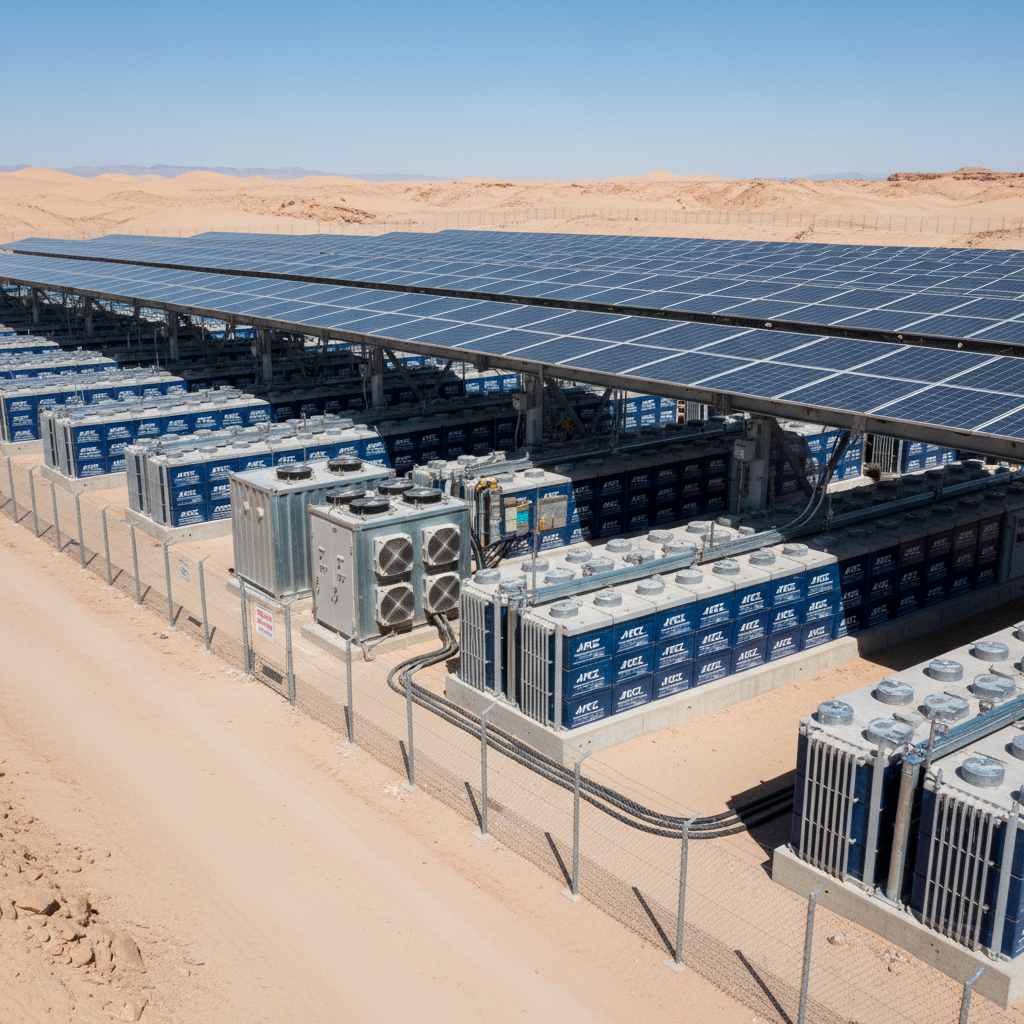
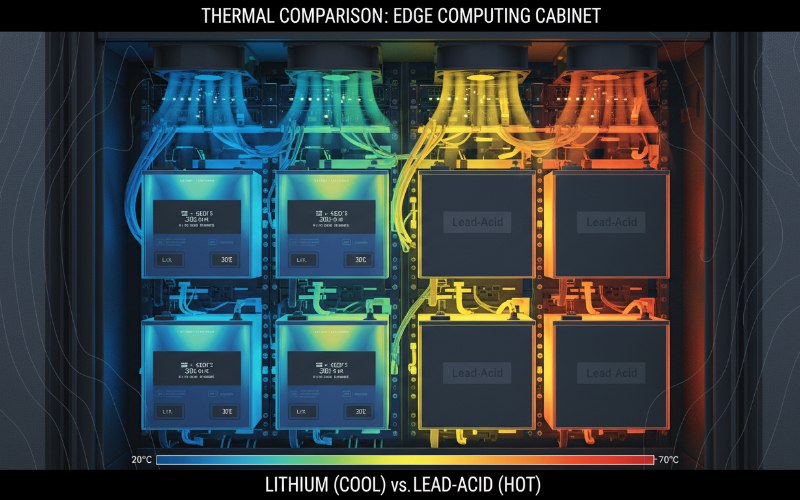
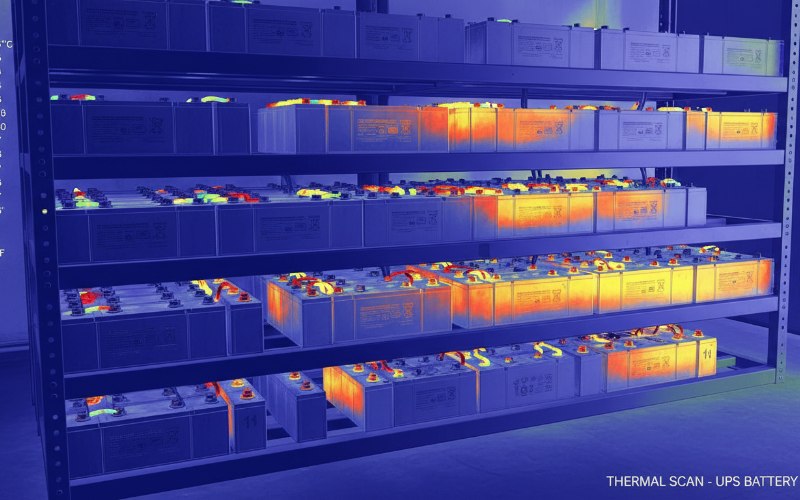
Temperature management is critical for B2B projects deployed in regions like the Middle East, Africa, or Southeast Asia. Standard lead-acid batteries degrade rapidly above 25°C (77°F). For every 10°C rise, the life of a standard VRLA battery is effectively halved.
The GEL design offers superior thermal management. The physical properties of the gel facilitate heat transfer to the container walls more efficiently than the tightly packed glass mats in AGM batteries. Furthermore, the extra electrolyte volume in GEL batteries creates a higher thermal inertia, reducing the risk of thermal runaway—a catastrophic failure mode where charging current increases battery temperature uncontrollably.
Why Solar Integrators Choose GEL Over Standard VRLA
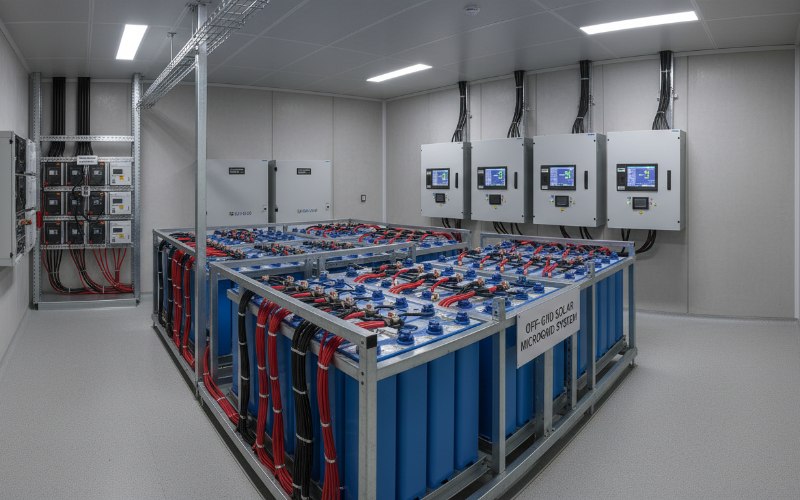
When engineering an off-grid solar system or a hybrid telecom power station, the "install and forget" philosophy is paramount. Maintenance costs (OPEX) can quickly exceed the initial CAPEX if batteries require frequent replacement or watering (as with flooded cells).
Elimination of Stratification: In stationary solar arrays, batteries often sit without movement. In liquid acid batteries, acid sinks to the bottom (stratification), corroding plates and reducing capacity. JYC’s immobilized gel prevents this entirely, ensuring consistent capacity across the bank.
Safety Compliance: JYC GEL batteries are non-spillable and safe for transport, meeting UN38.3, UL, and CE standards. This simplifies logistics for global distributors.
Tolerance to PSoC: Solar production is intermittent. Batteries are not always fully recharged immediately. GEL chemistry is more forgiving of operating in a Partial State of Charge than standard AGM, which can sulfate rapidly under similar conditions.
JYC Battery: Manufacturing Superiority
Understanding the difference between GEL vs. lead-acid battery types is only half the battle; selecting a manufacturer with consistent quality control is the other.
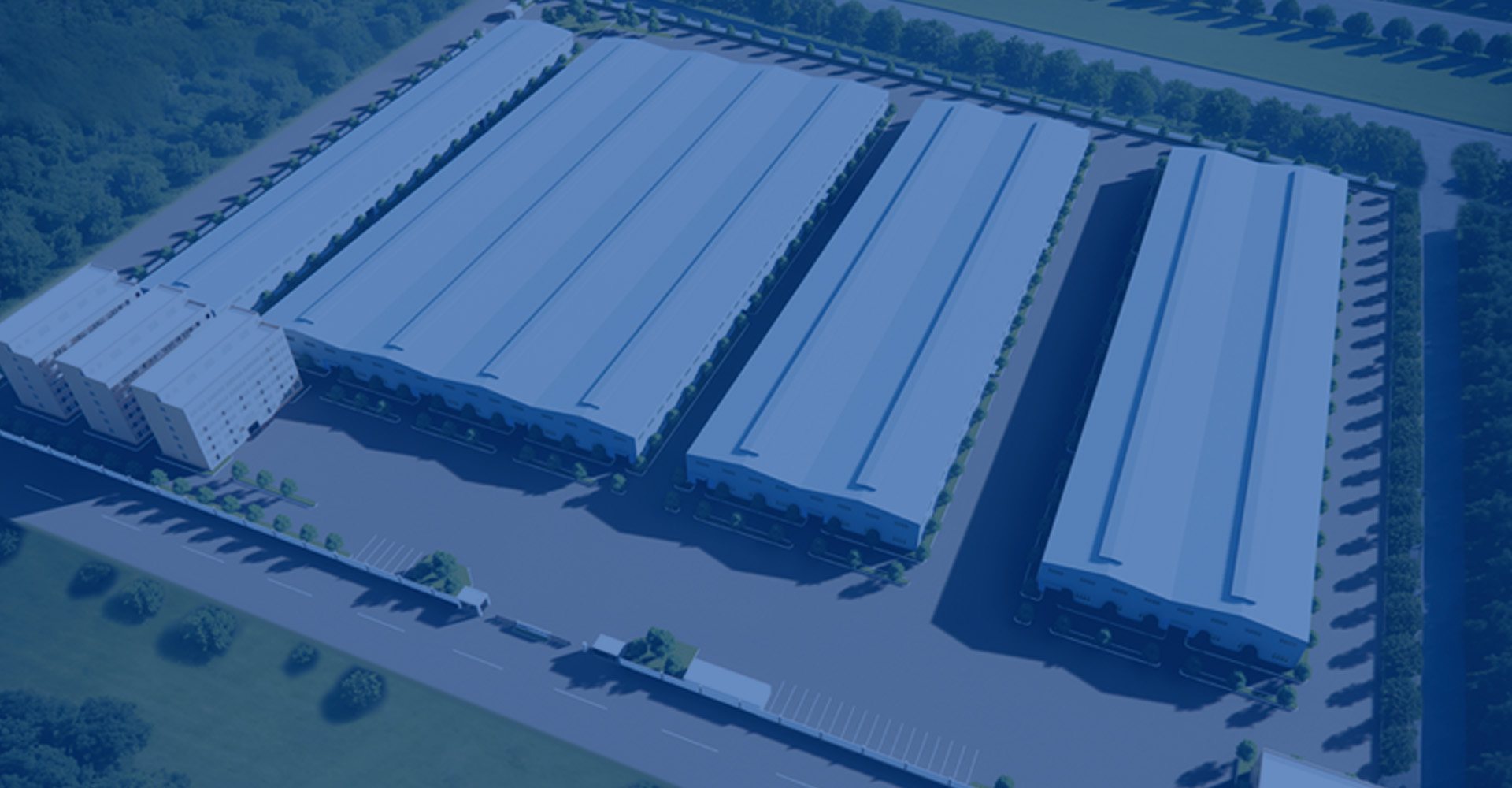
JYC Battery operates a 100,000 square meter manufacturing base utilizing fully automated production lines. Our proprietary CCDR (Continuous Cast Direct Rolling) punching technology ensures grid precision, reducing internal resistance and enhancing durability. Unlike smaller manufacturers who may simply add silica to standard AGM batteries and label them as "GEL," JYC utilizes true PVC separators and specialized gel filling vacuum processes to ensure 100% active material utilization.
For applications requiring even higher energy density or cycle life beyond 3,000 cycles, we also invite integrators to explore our Lithium-ion energy storage solutions. However, for projects where budget constraints meet harsh environmental demands, JYC GEL remains the industry gold standard.
Conclusion: Making the Right Choice
In the debate of GEL vs. lead-acid battery technology, the verdict for solar integrators is clear: while standard flooded or AGM batteries have their place in starter (SLI) or standby (UPS) applications, GEL technology delivers the deep-cycle robustness required for renewable energy.
By choosing JYC GEL batteries, you are opting for extended service life, reduced maintenance costs, and superior thermal stability. Equip your next solar project with energy storage built for the long haul.
Ready to optimize your solar storage systems?Contact JYC Battery for technical datasheets, bulk pricing, and engineering support for your specific project requirements.






 en
en  ara
ara  de
de  fra
fra  kor
kor  ru
ru  spa
spa  vie
vie