JYC Battery
Energy Storage

Energy Storage

JYC Lead-acid battery energy storage is one of the most technologically mature types of battery energy storage. It uses lead and sulfuric acid as core electrodes and electrolytes, and realizes the storage and release of electrical energy through the redox reaction of lead and its oxides. It has been widely used in various energy storage scenarios and is currently gradually focusing on specific segmented fields.
Intelligent and Green Energy Hubs
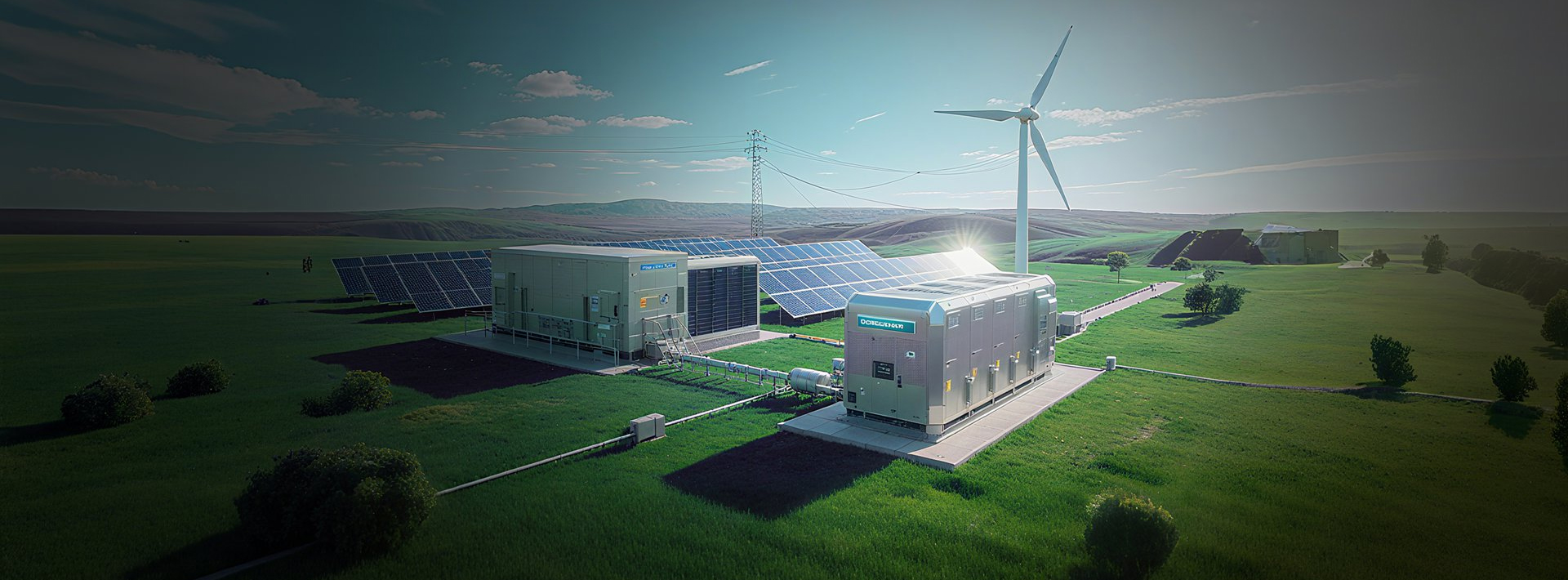
Energy storage batteries are core components of energy systems. They store electrical energy and release it when needed, enabling efficient management and utilization of energy. Serving not only as "energy warehouses," they are also intelligent regulators of modern energy systems.
Lead Acid Batteries for Solar Storage Technology
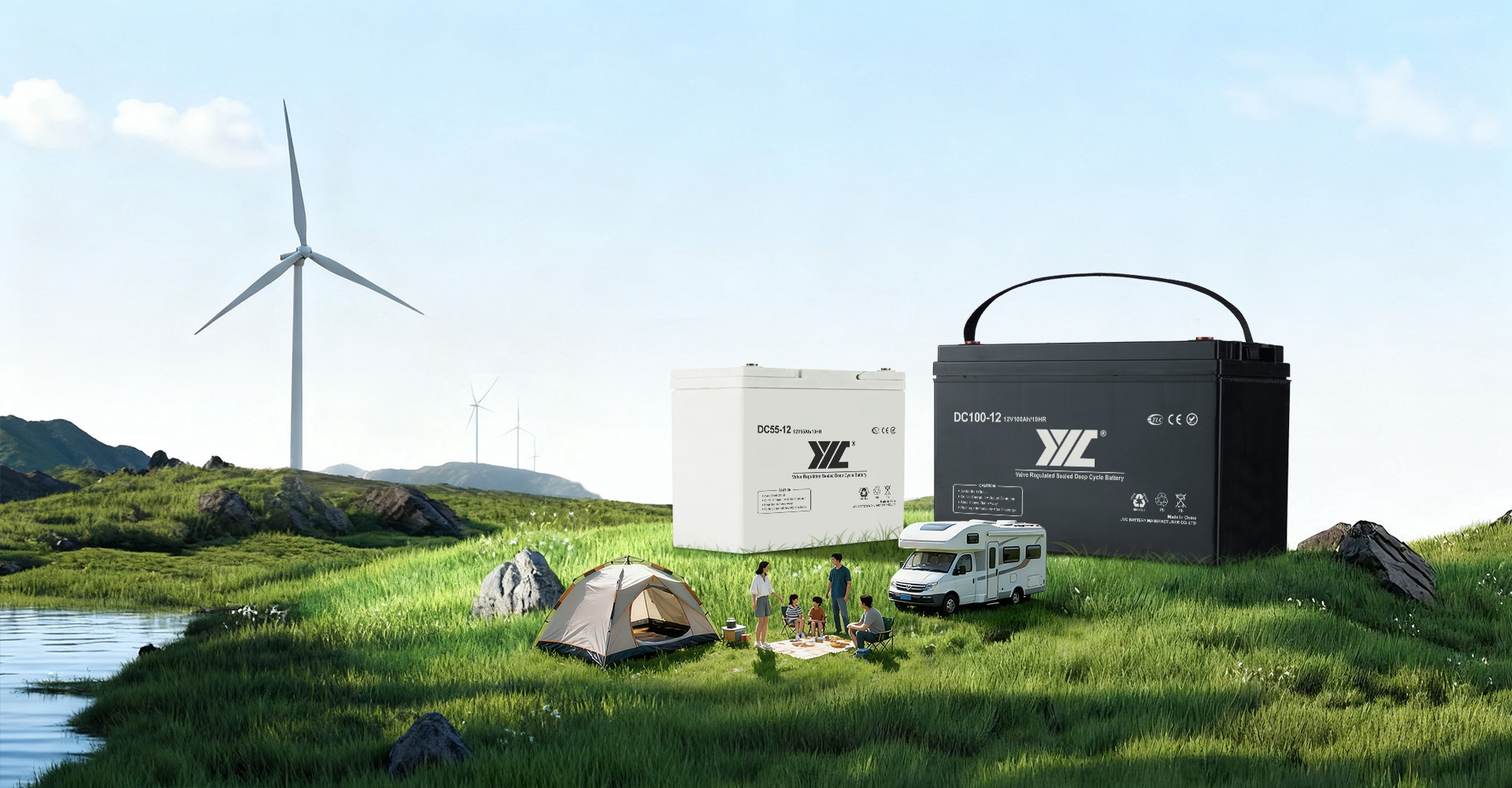
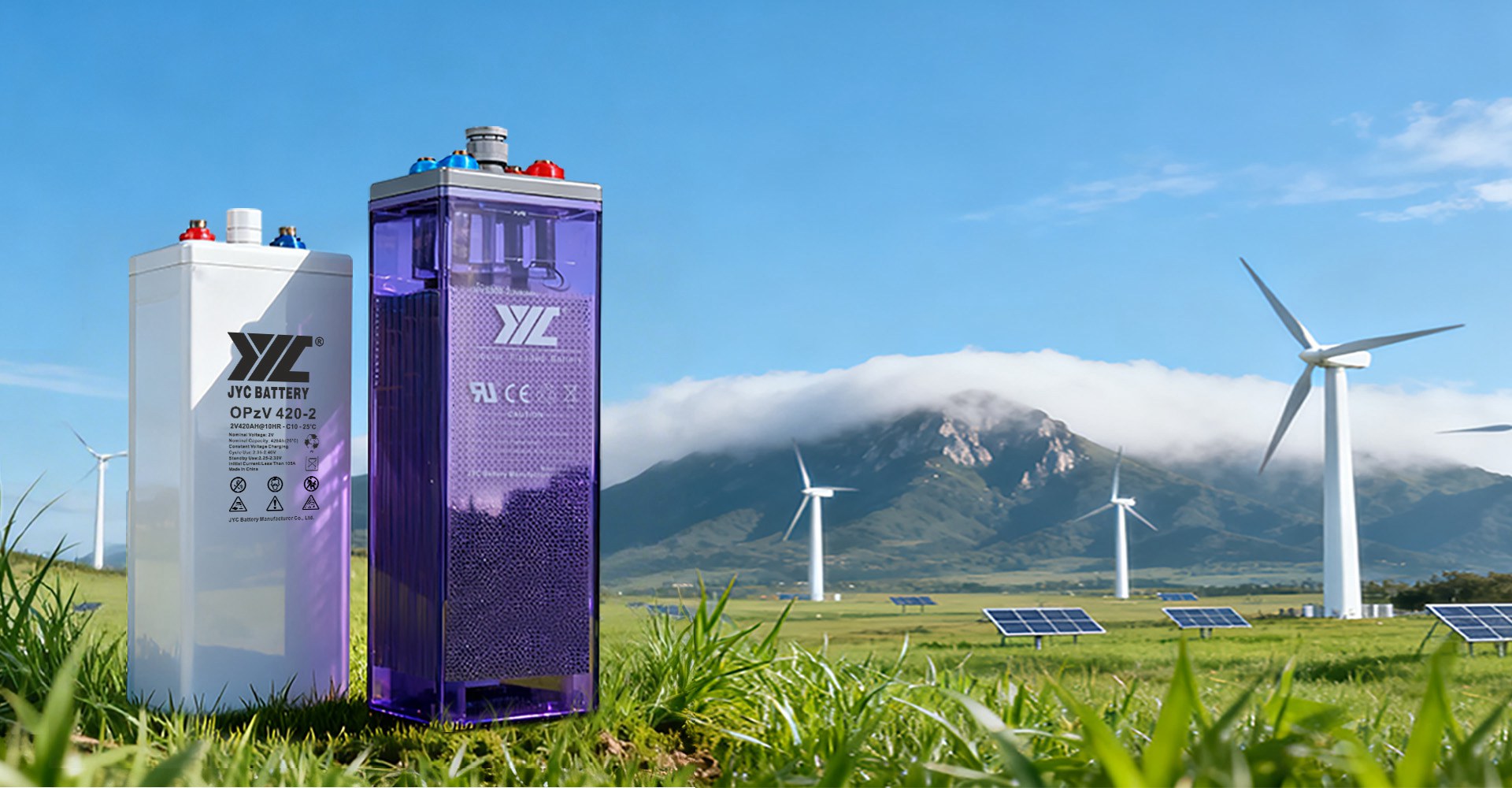
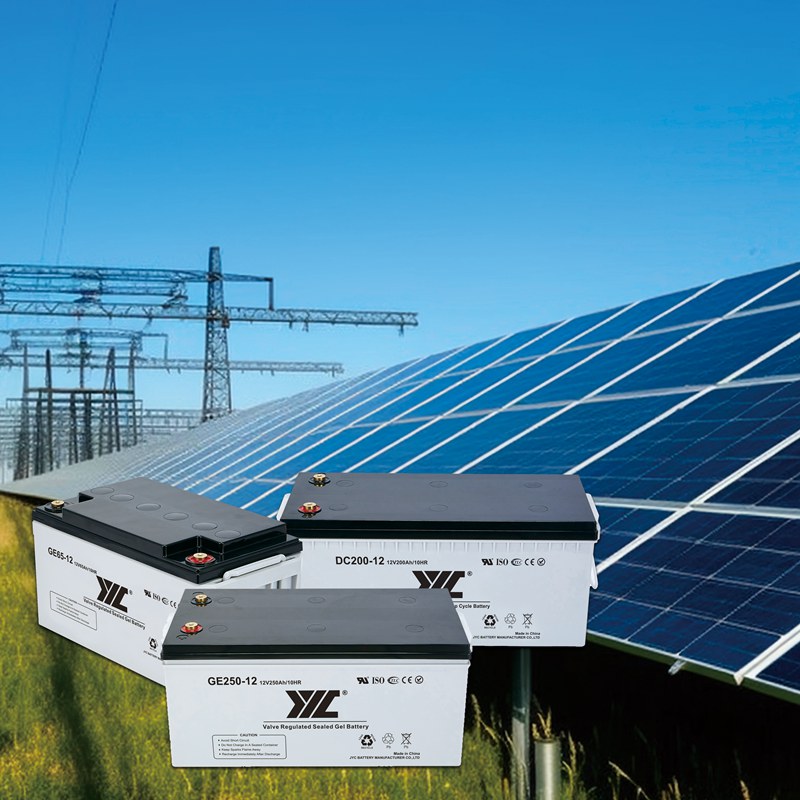
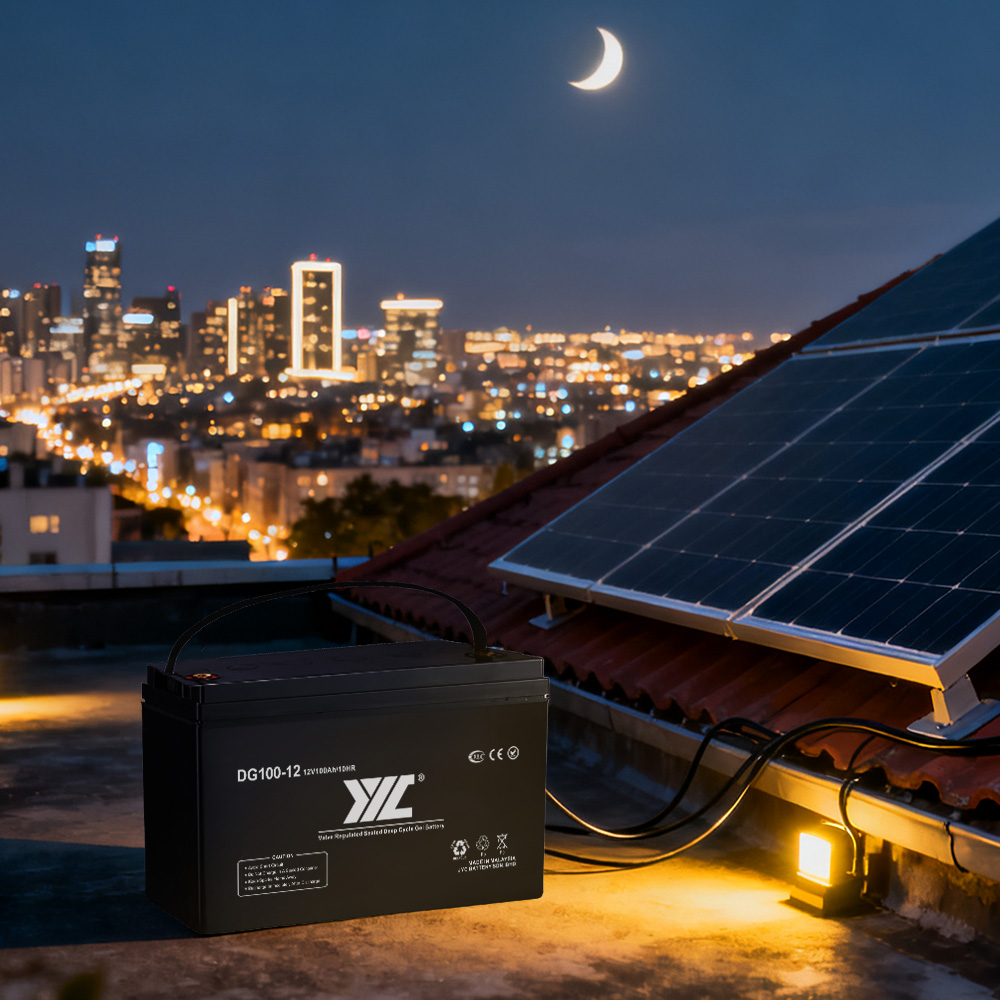
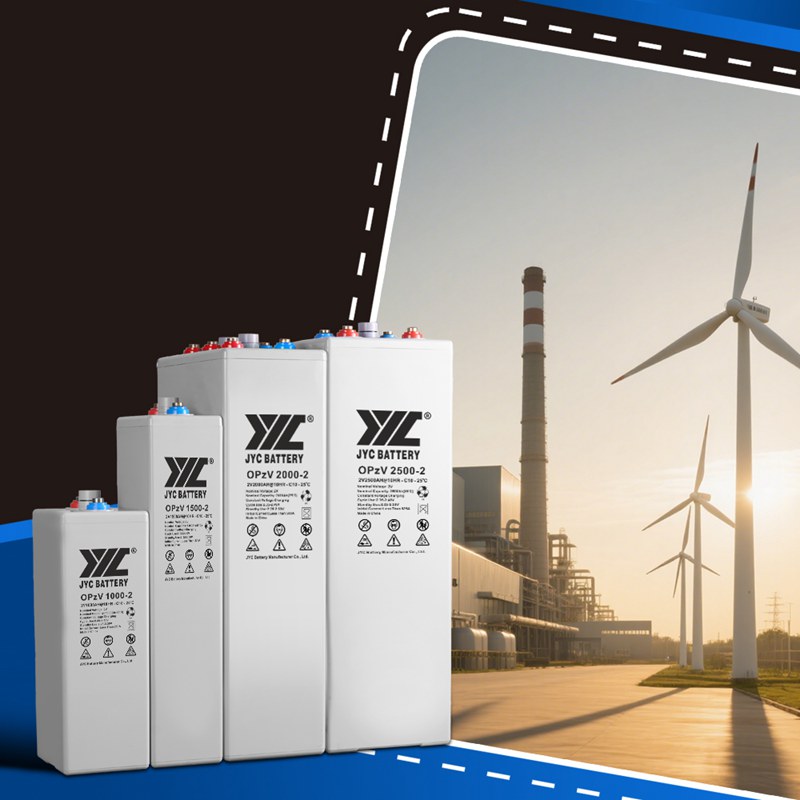
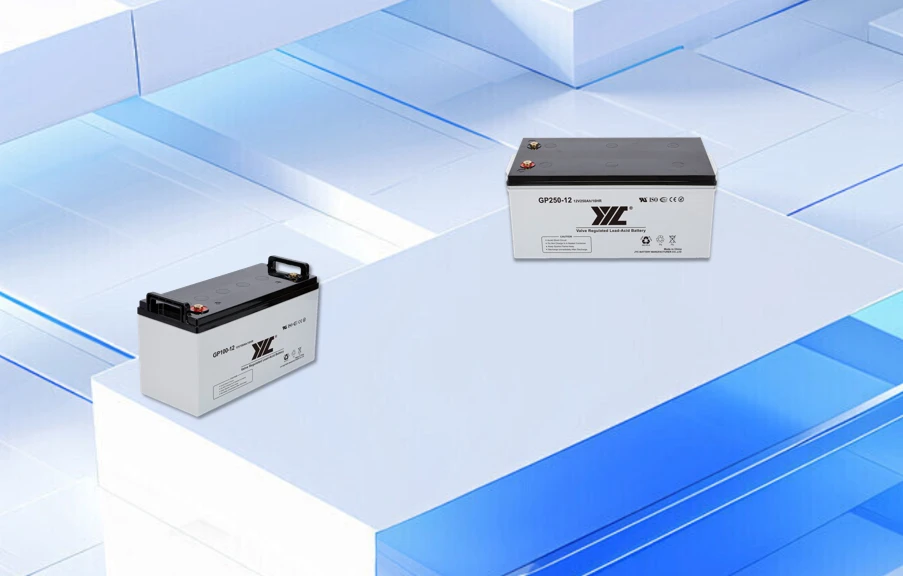
Lead-acid energy storage batteries utilize proven VRLA technology, available in both AGM and GEL configurations. These batteries feature thick lead-calcium plates, optimized grid structures, and immobilized electrolytes to deliver stable deep-cycle performance. The valve-regulated design ensures efficient gas recombination, enhanced safety, and maintenance-free operation. With low internal resistance and reliable charge acceptance, this technology provides consistent power output for both cyclic and standby applications across a wide range of environments.
Lead Acid Energy Storage Battery Key Features
Deep Cycle Capability: Specifically designed for frequent and deep charge-discharge cycles, with a long cycle life.
High Energy Efficiency: Minimal energy loss during charge-discharge processes, making it more economical.
High Safety: Equipped with excellent thermal stability and protective design to ensure long-term safe operation.
System Compatibility: Easy integration with photovoltaic inverters, charge controllers, and energy management systems.
Core Application Areas of Energy Storage Battery
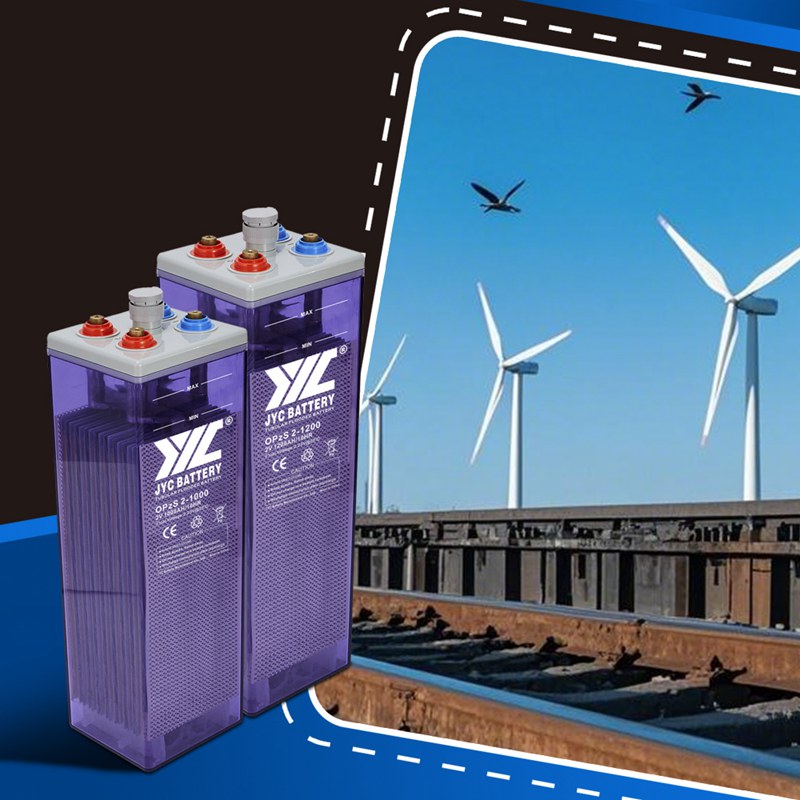
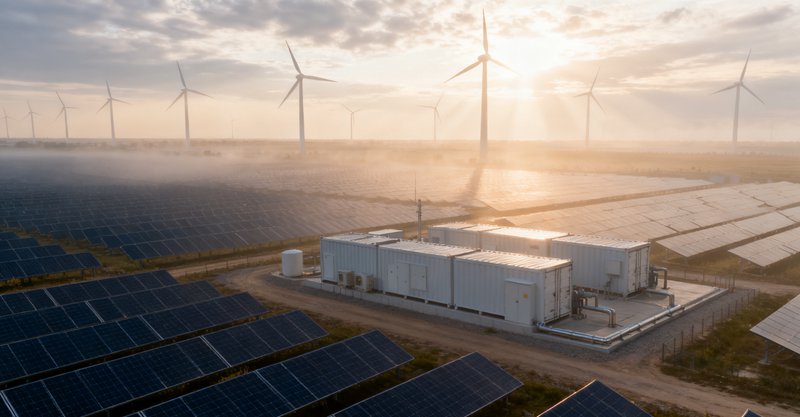
Power Generation Side: Supporting photovoltaic (PV) and wind farms to smooth power output and reduce curtailment of surplus solar and wind energy.
Power Grid Side: Participating in peak shaving and frequency regulation, enhancing grid stability and flexibility, and delaying grid expansion investments.
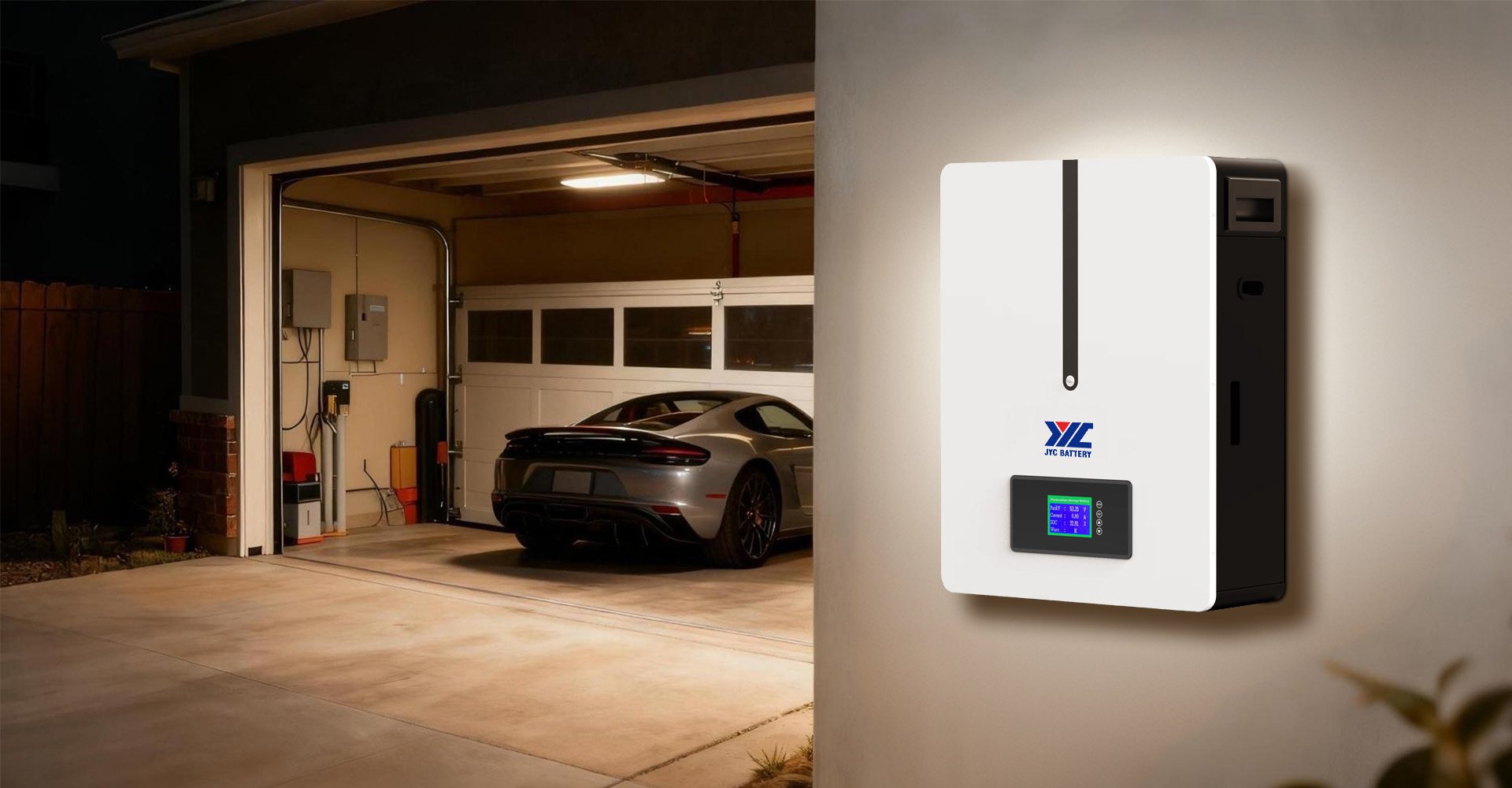
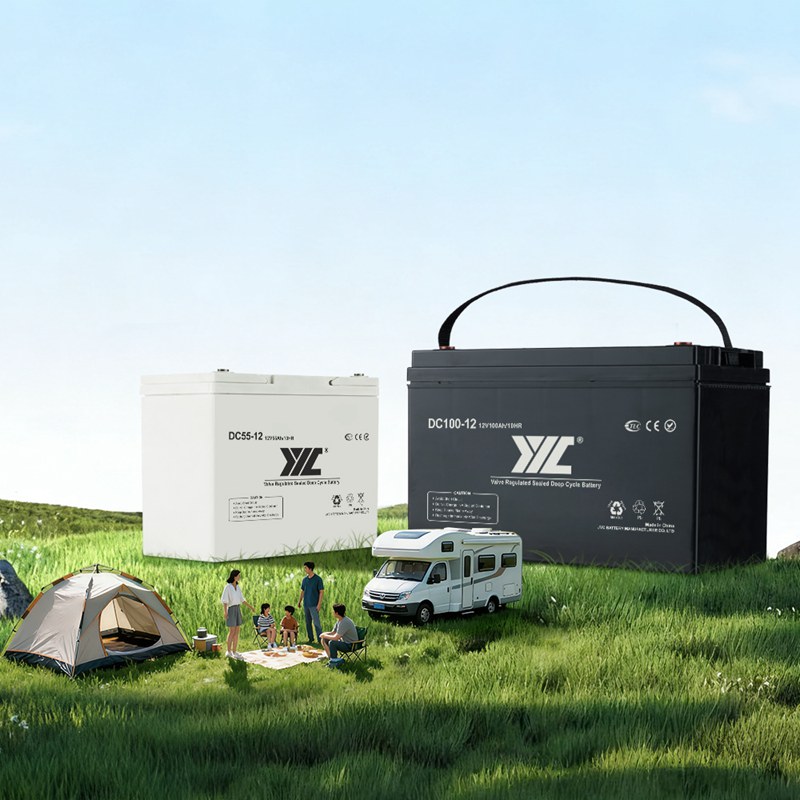
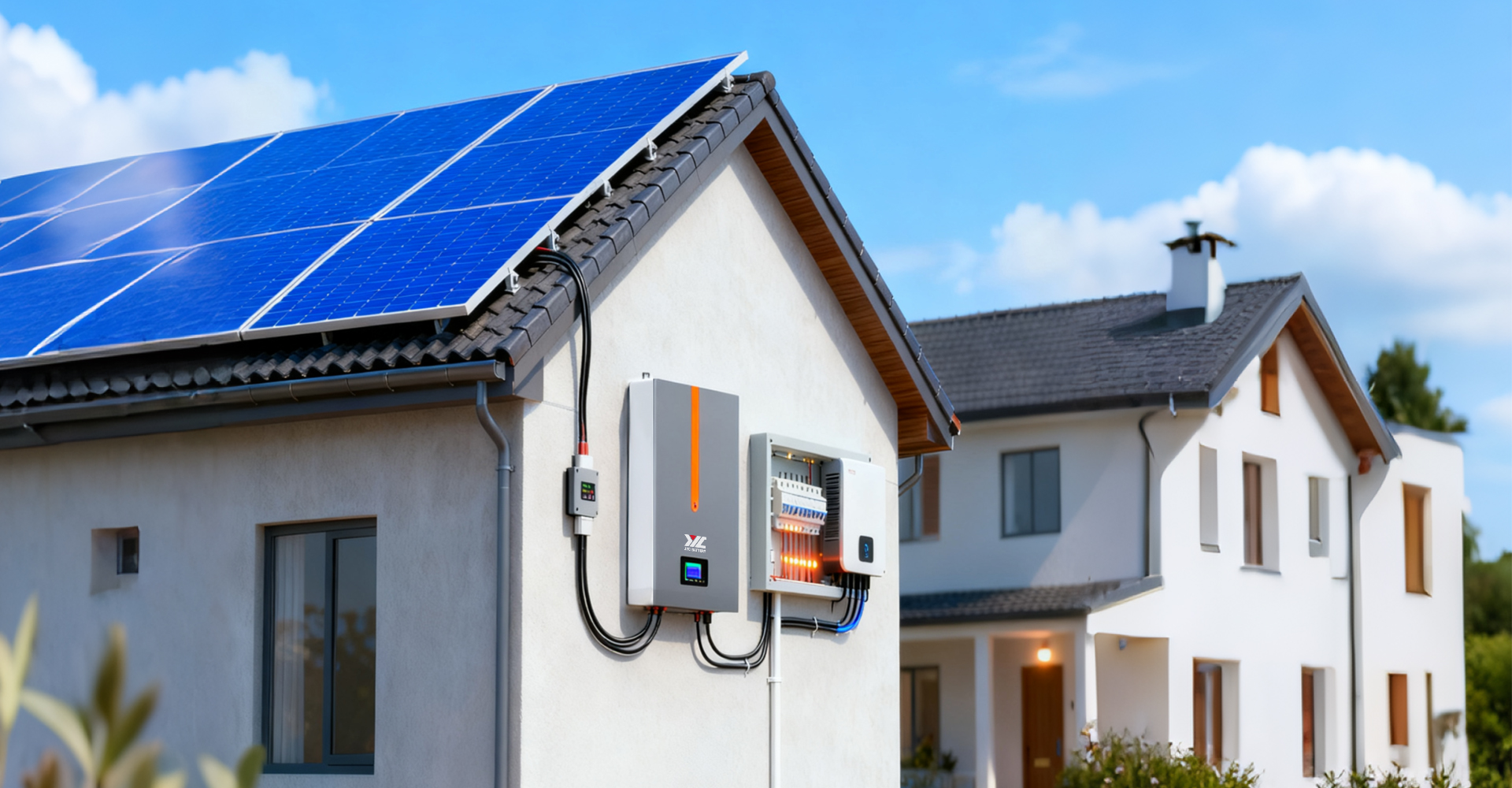
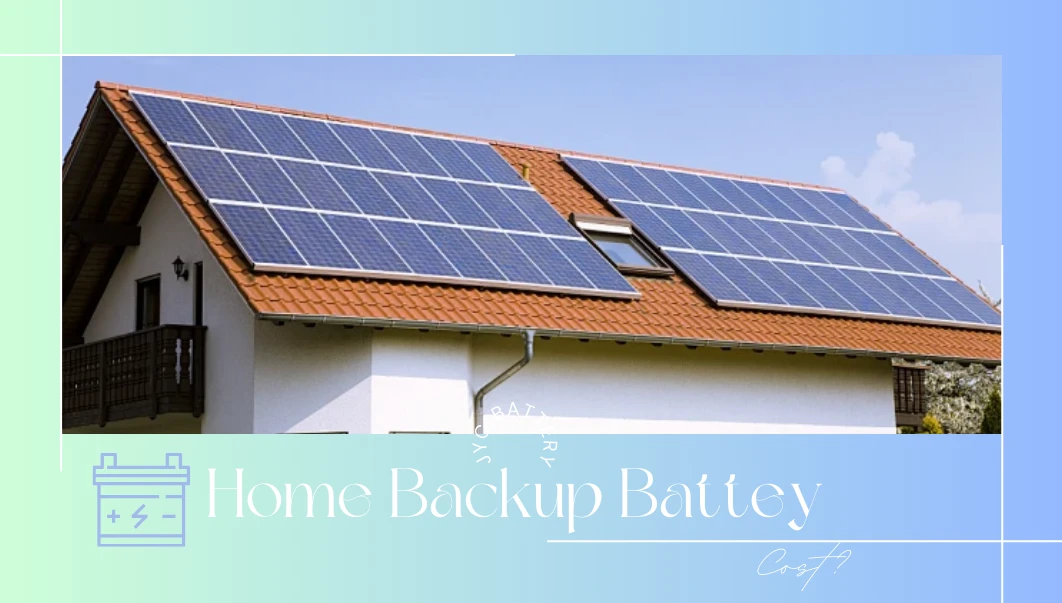
User Side: Used in households and enterprises to enable self-consumption of PV-generated electricity, arbitrage through time-of-use (TOU) electricity prices, and serve as an emergency backup power source.
Microgrid & Off-Grid: Providing independent and stable energy support for islands, remote areas, and critical facilities (such as communication base stations).
Transportation & Municipal Services: Serving electric vehicle (EV) charging networks and rail transit systems to achieve efficient energy dispatching.
Get In Touch With JYC
Get in Touch with
TOP