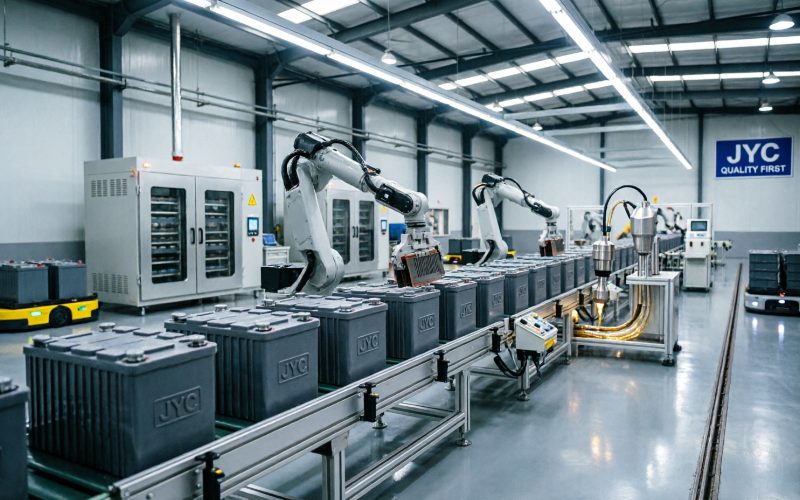
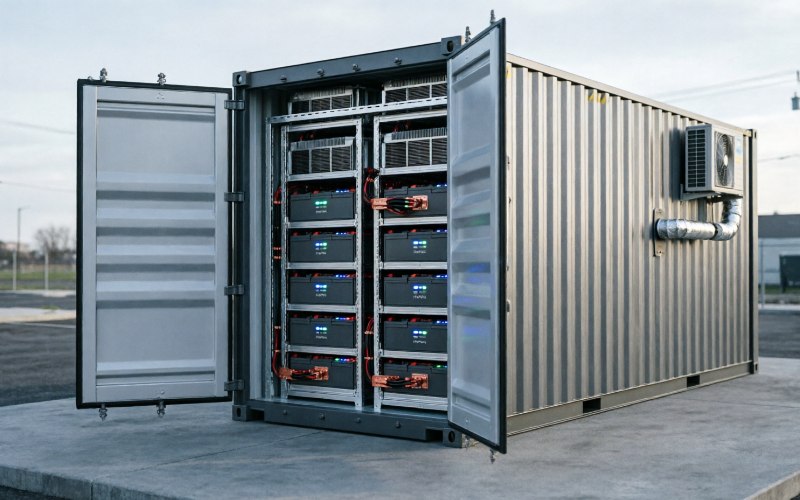
This is more than just a series of products; it is an ecosystem we have built to achieve a more efficient, reliable, and sustainable energy future. Discover how our products and solutions can create t...
Our Industrial Batteries combine high-quality materials, robust design, and dependable performance. With excellent deep-cycle capability and easy maintenance, they are ideal for diverse applications. ...
JYC Transportation batteries are a category of power storage devices specifically designed for transportation scenarios, with core functions of providing continuous, stable, and high-efficiency power ...
JYC Motive Power batteries are deep-cycle energy storage devices specifically designed for industrial and commercial vehicles and specialized equipment. Their core function is to provide continuous an...
Focus on company news, product updates and market events. We provide continuous updates to bring you first-hand information, helping you stay informed about our development progress at all times.
AGM vs Gel Deep Cycle Battery: Technical Comparison Guide
2026-05-26 09:30:42
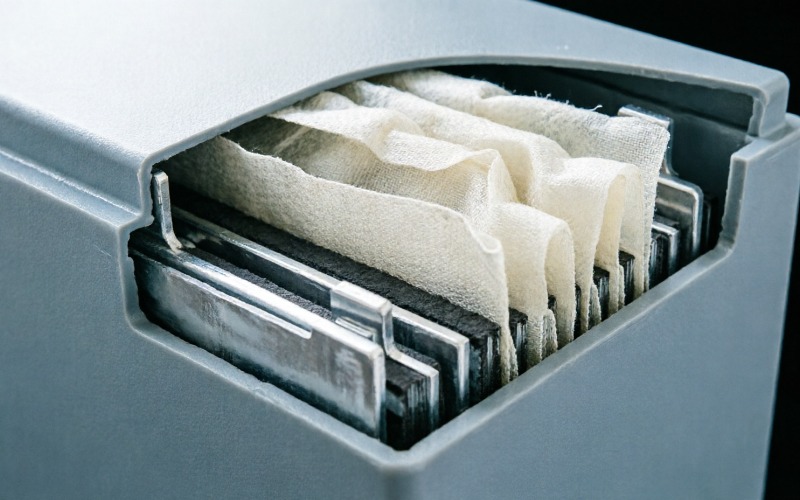
AGM (Absorbent Glass Mat) batteries utilize thin fiberglass mats to absorb electrolyte, favoring high-current discharge applications like UPS. Gel batteries use silica-thickened electrolyte, offering superior cycle life and thermal stability in deep-cycle solar applications. Choosing between them depends on specific discharge profiles and environmental operating temperatures in industrial power systems.
Key Takeaways for Technical Buyers
Discharge Rates: AGM batteries provide 20% higher power density for short-duration high-current loads.
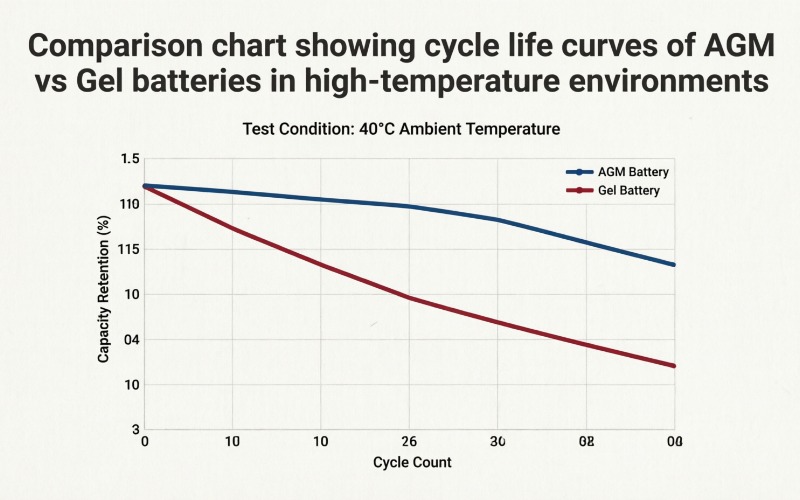
Cycle Longevity: Gel batteries typically offer 30-40% more cycles in deep discharge scenarios compared to AGM.
Thermal Management: Gel technology resists thermal runaway better in environments exceeding 35°C (95°F).
Maintenance: Both technologies are VRLA (Valve Regulated Lead Acid) and require zero water topping.
Cost Efficiency: AGM has a lower upfront cost, while Gel provides a lower Total Cost of Ownership (TCO) in cyclic use.
How does VRLA technology define AGM and Gel batteries?
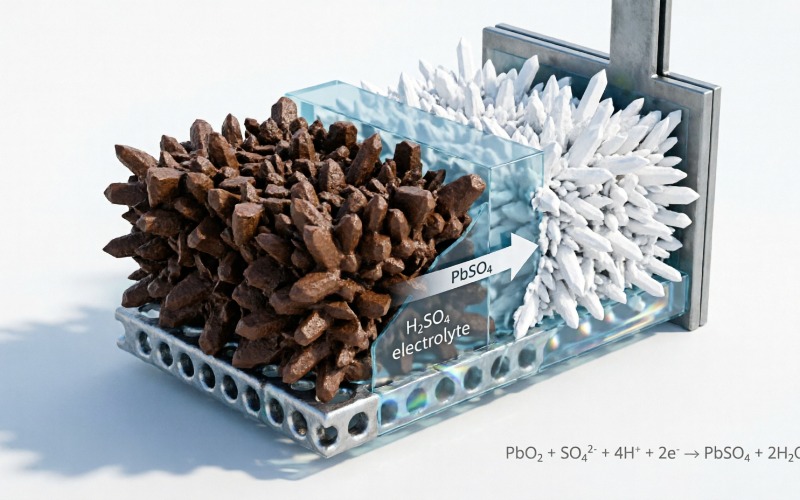
Valve Regulated Lead Acid (VRLA) technology revolutionized the energy storage industry by eliminating the need for regular maintenance. According to the International Electrotechnical Commission (IEC) standard 60896-21, VRLA batteries operate on a recombinant principle. This process ensures that oxygen generated at the positive plate migrates to the negative plate to reform water.
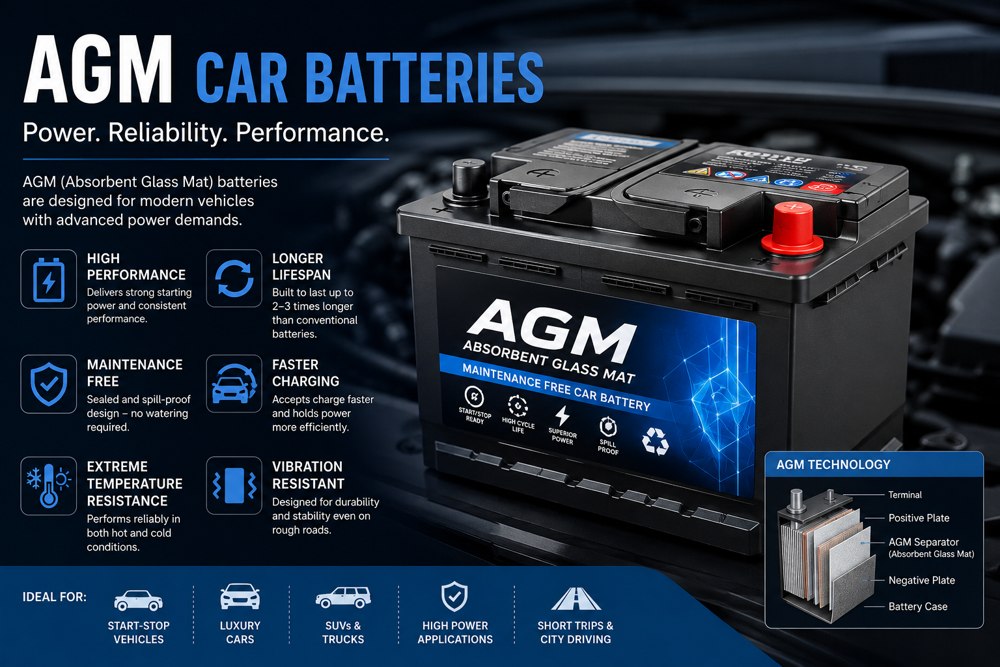
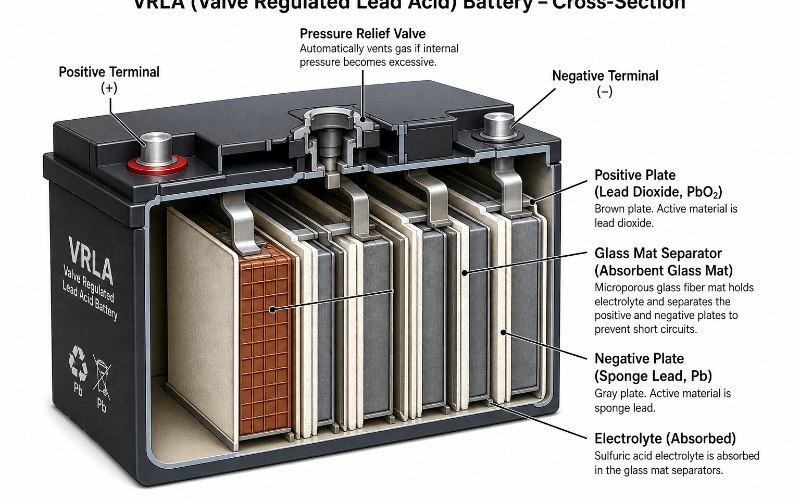
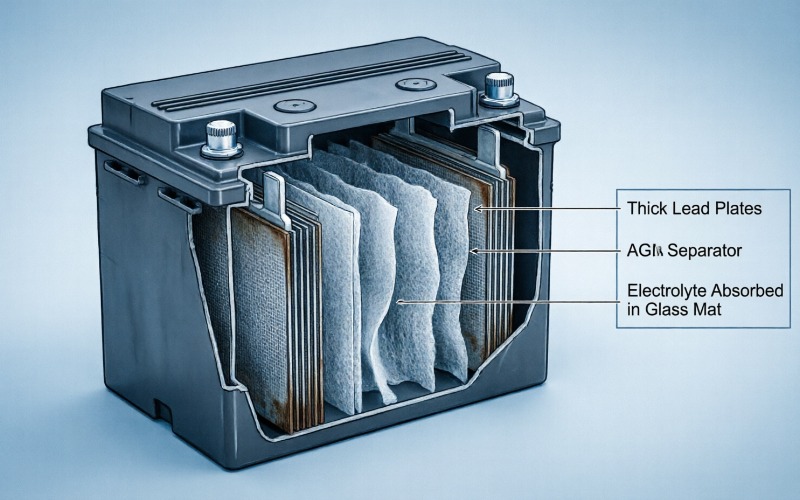
In an AGM battery, the electrolyte is held in a highly porous microfiber glass mat. This structure allows for extremely low internal resistance, which is critical for rapid energy delivery. According to the Battery Council International (BCI), AGM batteries can achieve a 95% charge efficiency in optimal conditions. This makes them ideal for standby power applications where readiness is paramount.
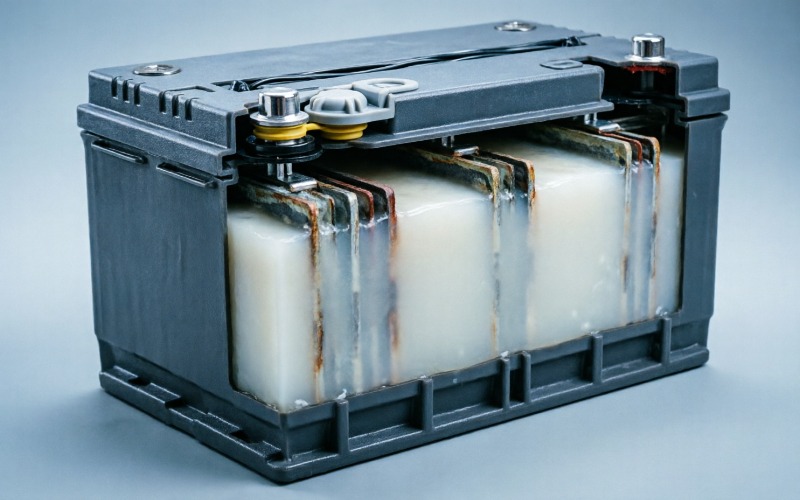
Conversely, a VRLA Gel battery contains electrolyte mixed with fumed silica to create a thick, jelly-like substance. This thixotropic gel prevents electrolyte stratification, which is a common failure mode in flooded batteries. Research from Sandia National Laboratories indicates that gelled electrolytes significantly reduce the rate of plate sulfation during partial state of charge (PSOC) operation.
What are the internal construction differences between AGM and Gel?
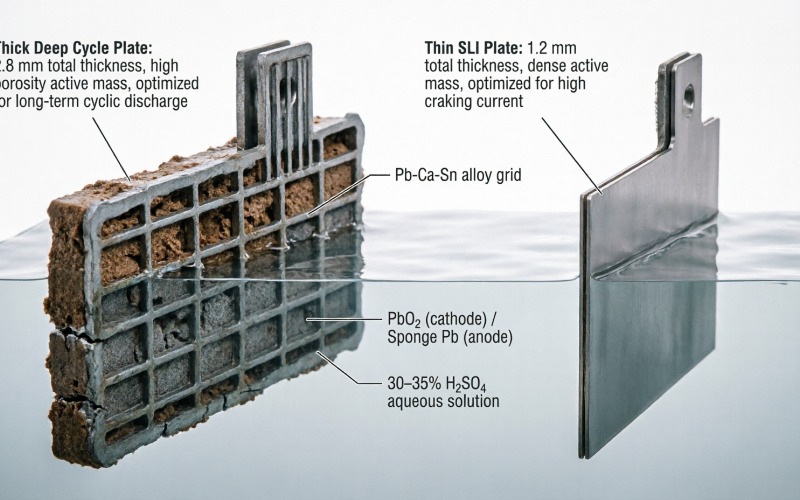
The internal architecture of these batteries dictates their performance limits and application suitability. AGM batteries use flat or spiral-wound plates pressed tightly against the glass mats. This high-pressure assembly reduces internal resistance to as low as 2 milliohms in high-capacity models. This design facilitates the rapid movement of ions during high-current discharge events.
Gel batteries utilize a different approach by filling the entire internal cavity with the gelled electrolyte. This provides a larger thermal mass, which helps dissipate heat more effectively than the air gaps found in some AGM designs. According to IEEE 1184-2006, the increased thermal conductivity of gelled electrolyte reduces the risk of thermal runaway by approximately 15%.
"Thermal stability is the most critical factor in remote telecommunications deployments. While AGM is versatile, the Gel battery’s ability to withstand high ambient temperatures without drying out provides a necessary safety margin for critical infrastructure," says Marcus Thorne, Senior Systems Engineer at JYC Battery, March 2024.
How do cycle life and depth of discharge compare?
Cycle life is the primary metric for solar integrators managing off-grid systems. Depth of Discharge (DOD) refers to the percentage of capacity removed from the battery during a cycle. Standard AGM batteries are typically rated for 400 to 600 cycles at 80% DOD. In contrast, premium Gel batteries can exceed 1,000 cycles at the same discharge depth.
According to data from the National Renewable Energy Laboratory (NREL), Gel batteries maintain 10-15% more capacity over their lifespan when subjected to frequent deep discharges. This longevity is attributed to the gel's ability to support the active material on the plates. This support prevents shedding, which is the primary cause of capacity loss in lead-acid systems.
Which battery performs better in extreme temperatures?
Temperature significantly impacts the chemical reaction rates within lead-acid batteries. For every 8°C (15°F) increase in temperature above 25°C, the life of a standard VRLA battery is halved. However, the physical state of the electrolyte in Gel batteries offers a protective advantage. The gelled mass acts as a heat sink, absorbing spikes in temperature during heavy charging.
Research published in the Journal of Power Sources (2023) indicates that Gel batteries retain 85% of their rated capacity at -20°C. AGM batteries, while still functional, may drop to 70-75% capacity in similar sub-zero conditions. Furthermore, at high temperatures (+50°C), Gel batteries exhibit a 25% slower rate of water loss compared to AGM counterparts.
This environmental resilience makes Gel the preferred choice for outdoor solar lighting and remote monitoring stations. AGM batteries are better suited for climate-controlled indoor environments, such as data centers. In these settings, the ambient temperature is strictly maintained at 20-25°C, allowing the AGM's power density to shine without thermal risk.
What are the charging requirements for AGM and Gel batteries?
Proper charging is essential to prevent premature failure. Both battery types require a multi-stage charging profile: Bulk, Absorption, and Float. AGM batteries are more forgiving and can handle higher charging currents, typically up to 0.3C (30% of the rated capacity). This allows for faster recovery times in UPS systems.
Gel batteries are more sensitive to overcharging. Excess voltage can cause bubbles to form in the gel, creating permanent voids that reduce capacity. According to ISO 9001 certified manufacturing guidelines, the absorption voltage for Gel batteries is usually 0.2V lower than for AGM. Using an improper charger on a Gel battery can reduce its lifespan by 50% within a few months.
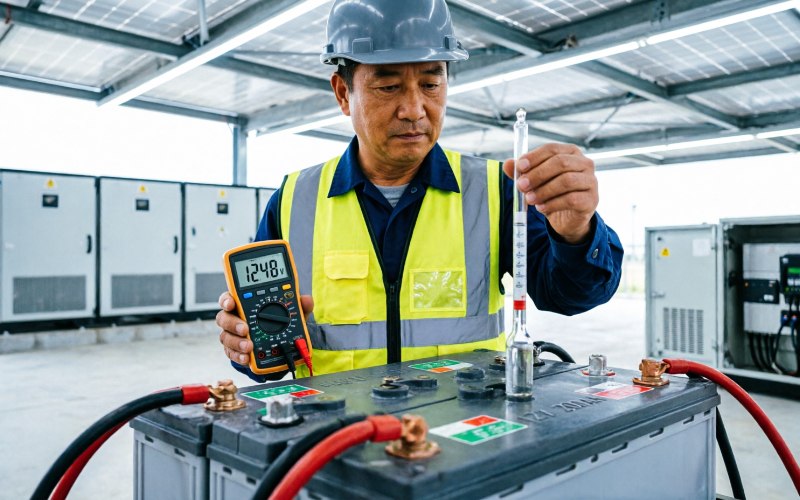
Modern smart controllers often have specific presets for each technology. It is vital for solar integrators to verify these settings during installation. According to a 2024 study by the European Association of Storage Battery Manufacturers (EUROBAT), 65% of early VRLA failures are attributed to incorrect charger settings rather than manufacturing defects.
How to choose between AGM and Gel for your project?
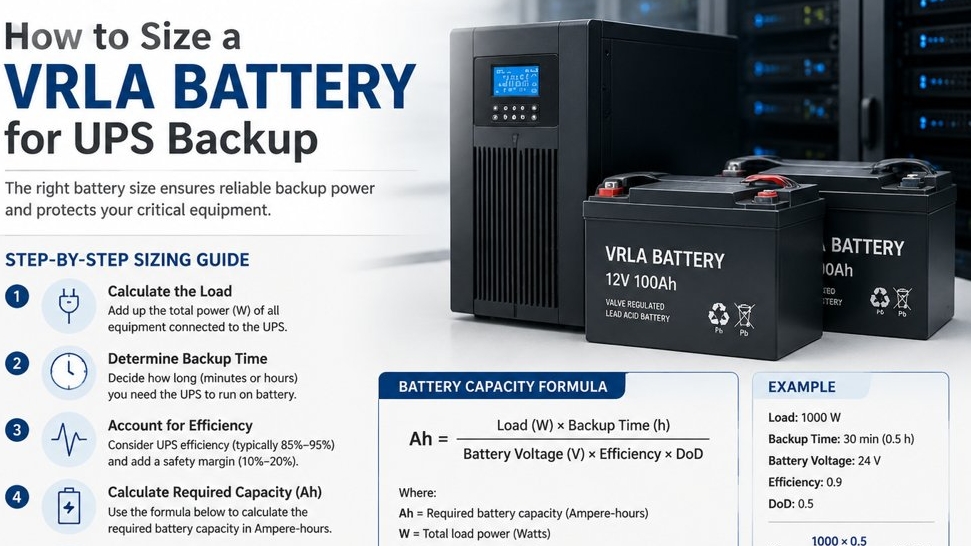
Selecting the right technology requires a detailed analysis of the load profile and environmental conditions. For applications requiring high-burst power, such as engine starting or UPS backup, AGM is the superior choice. Its low internal resistance allows it to deliver large amounts of current without significant voltage drops.
For cyclic applications like solar energy storage, marine house loads, or electric vehicles, Gel batteries offer better value. Their ability to recover from deep discharges and resist sulfation ensures a longer service life in demanding cycles. According to JYC Battery's internal testing, Gel batteries used in solar streetlights showed 22% better capacity retention after two years of daily cycling.
"We always advise our B2B partners to look beyond the initial purchase price. The TCO of a Gel battery in a solar application is often 15% lower than AGM when you factor in replacement costs over a five-year period," notes Sarah Chen, Global Strategist at JYC Battery, January 2025.
Can I use an AGM charger for a Gel battery?
Generally, you should not use a standard AGM charger for a Gel battery unless the charger is programmable. AGM batteries require a slightly higher charging voltage. Applying this higher voltage to a Gel battery can lead to "gas pockets" in the silica gel, which permanently reduces the contact area between the electrolyte and the plates. For system planning, see our UPS battery solutions to align the battery choice with site requirements.
Which battery type is better for solar energy storage?
Gel batteries are widely considered superior for solar energy storage. This is due to their enhanced cycle life and ability to handle the partial state of charge (PSOC) common in solar systems. According to NREL, systems using Gel batteries experience fewer failures related to electrolyte stratification and sulfation in off-grid environments.
Do AGM or Gel batteries leak?
Neither battery type will leak under normal operating conditions. Both are VRLA batteries, meaning they are sealed and use a pressure relief valve. Because the electrolyte is immobilized—either in glass mats or a gel—these batteries can be installed on their sides if necessary, although upright installation is always recommended for maximum safety.
How long do AGM and Gel batteries last in standby mode?
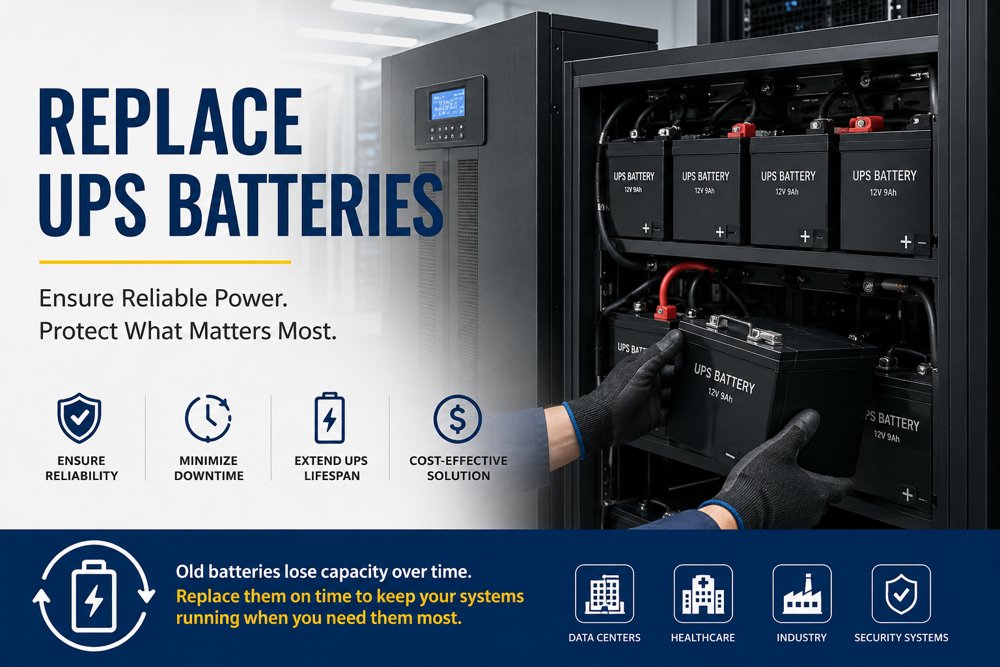
In standby or float applications, both technologies can have a design life of 10 to 12 years. However, AGM batteries are often preferred for standby UPS because they spend most of their life at 100% charge and only need to deliver power during brief outages. Gel batteries can also be used, but their higher cost may not be justified in pure standby roles.







 en
en  fra
fra  spa
spa  de
de  vie
vie  ru
ru  ara
ara  kor
kor