This is more than just a series of products; it is an ecosystem we have built to achieve a more efficient, reliable, and sustainable energy future. Discover how our products and solutions can create t...
Our Industrial Batteries combine high-quality materials, robust design, and dependable performance. With excellent deep-cycle capability and easy maintenance, they are ideal for diverse applications. ...
JYC Transportation batteries are a category of power storage devices specifically designed for transportation scenarios, with core functions of providing continuous, stable, and high-efficiency power ...
JYC Motive Power batteries are deep-cycle energy storage devices specifically designed for industrial and commercial vehicles and specialized equipment. Their core function is to provide continuous an...
Focus on company news, product updates and market events. We provide continuous updates to bring you first-hand information, helping you stay informed about our development progress at all times.
How to Maintain Your Deep Cycle Lead Battery for Longevity
2026-05-22 14:50:24
Optimal deep cycle lead battery maintenance involves three primary pillars: maintaining a state of charge above 50%, implementing temperature-compensated charging, and ensuring clean, tight terminal connections. Following these R&D-validated protocols prevents irreversible sulfation and grid corrosion, extending the operational lifespan of industrial energy storage systems by up to 40%.
Key Takeaways for O&M Teams
Strict adherence to a 50% maximum Depth of Discharge (DoD) optimizes the cost-per-cycle ratio.
Temperature-compensated charging at -3mV/cell/°C is mandatory for preventing thermal runaway.
Regular equalization charges for flooded batteries prevent electrolyte stratification and plate sulfation.
Terminal torque checks at 10-12 Nm ensure minimal contact resistance and prevent localized overheating.
Why is professional deep cycle lead battery maintenance critical?
In the world of industrial energy storage, the deep cycle lead-acid battery remains a foundational technology. According to the Battery Council International (BCI), over 90% of lead-acid batteries are recycled, but many fail prematurely due to poor maintenance. For Operations and Maintenance (O&M) teams, understanding the electrochemistry of these units is essential for maximizing ROI.
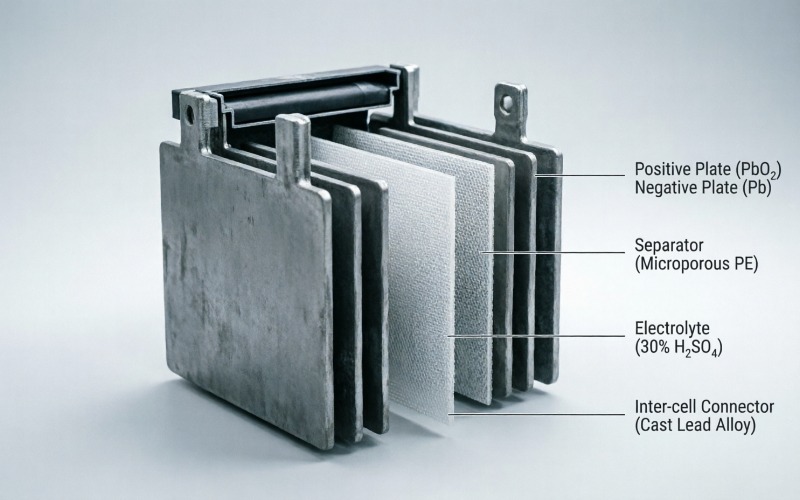
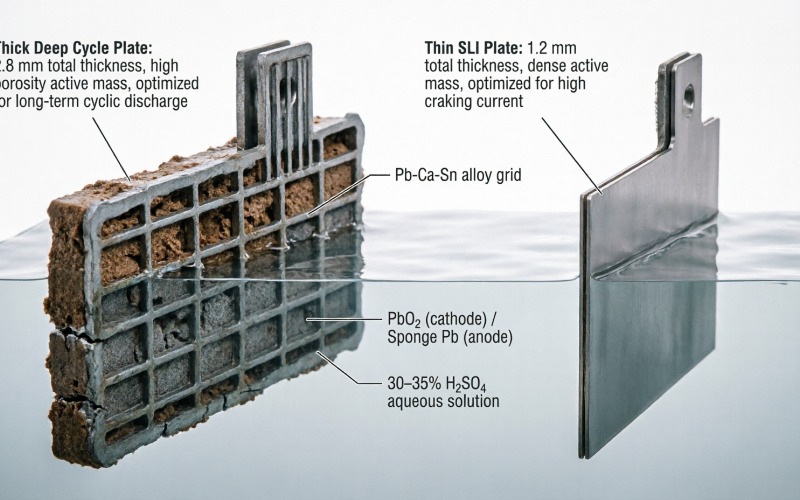
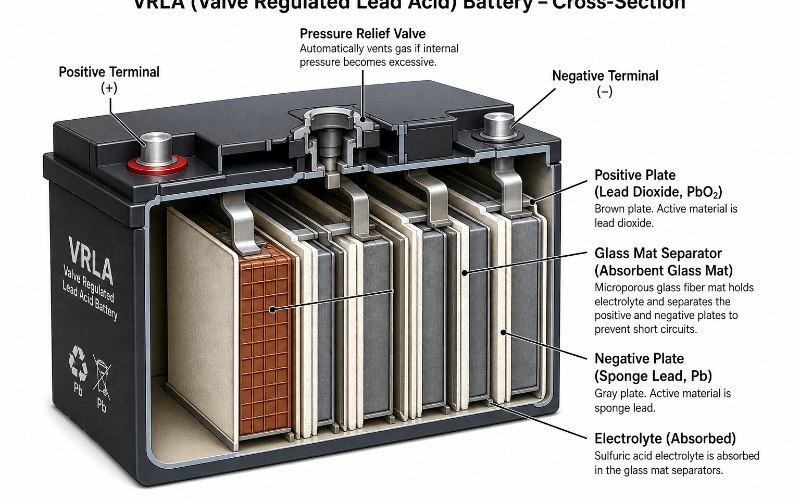
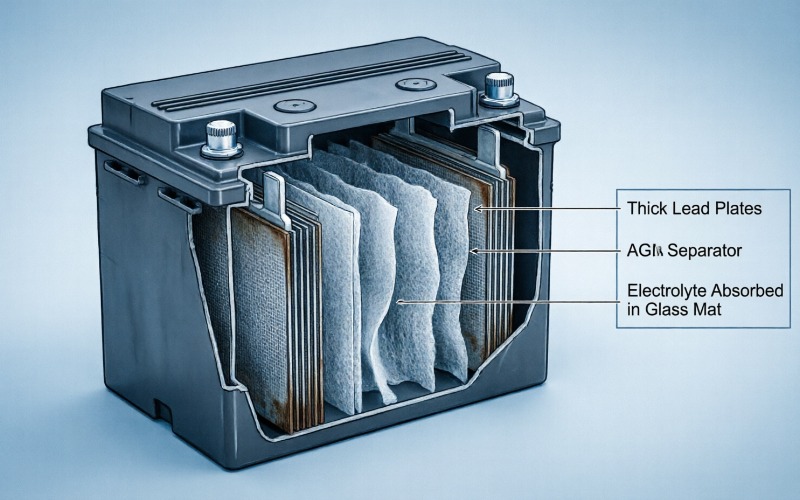
Deep cycle batteries are designed to provide consistent current over long periods. Unlike starter batteries, they feature thicker lead plates and higher-density active materials. According to the U.S. Department of Energy, improper charging is responsible for 50% of all premature battery failures. This makes technical maintenance not just a recommendation, but a financial necessity for solar and UPS integrators.
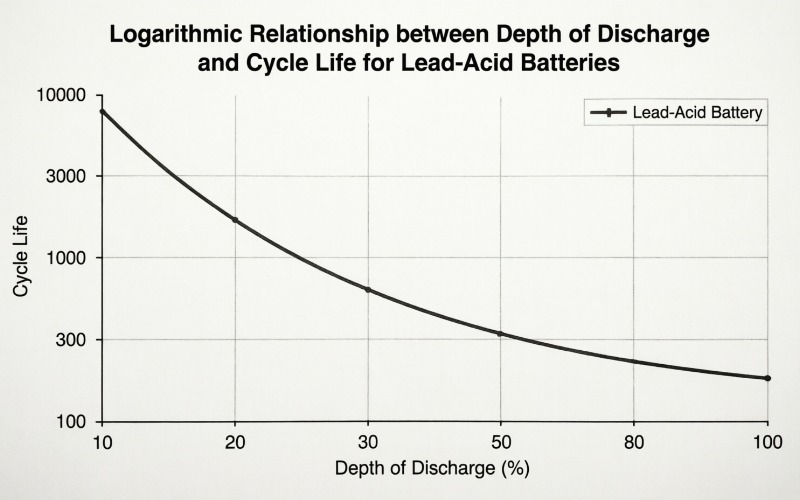
How does Depth of Discharge (DoD) impact battery cycle life?
The relationship between Depth of Discharge (DoD) and cycle life is logarithmic. DoD refers to the percentage of the battery capacity that has been discharged relative to the total capacity. For example, discharging a 100Ah battery by 50Ah represents a 50% DoD. Research by Sandia National Laboratories indicates that a battery rated for 500 cycles at 80% DoD can often achieve over 1,200 cycles if kept at 50% DoD.
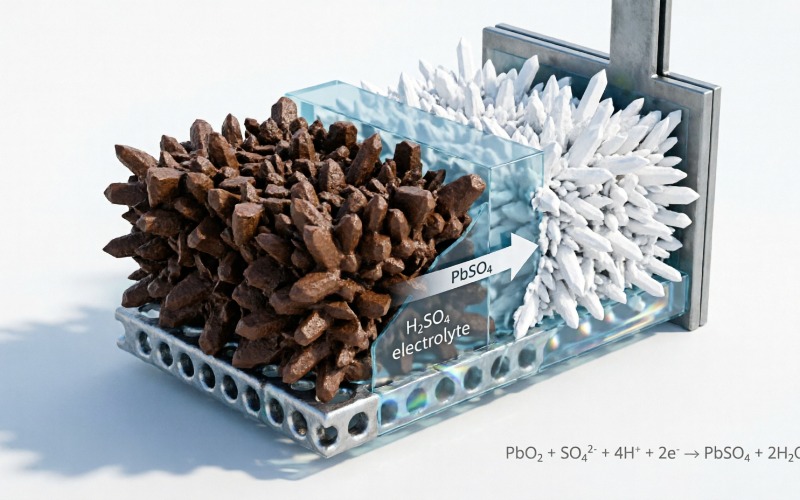
O&M teams must monitor the State of Charge (SoC) using high-precision shunts. A typical 12V VRLA deep cycle battery is considered 100% charged at 12.7V and 50% charged at 12.1V. Operating consistently at low SoC leads to the formation of hard lead sulfate (PbSO4) crystals. These crystals reduce the available surface area for chemical reactions, permanently lowering the battery capacity through a process known as sulfation.
What are the chemical mechanisms behind battery degradation?
Degradation in deep cycle lead batteries occurs through several specific chemical pathways. Sulfation is the most common, occurring when the battery remains in a discharged state for extended periods. Lead sulfate crystals harden and become difficult to convert back into lead and lead dioxide. This increases internal resistance, which can be measured in milliohms (mΩ) using professional impedance testers.
Another critical issue is electrolyte stratification. In flooded lead-acid batteries, the heavier sulfuric acid (H2SO4) sinks to the bottom of the cell. This leaves dilute acid at the top and concentrated acid at the bottom. The concentrated acid accelerates grid corrosion at the bottom, while the dilute acid limits power output at the top. Regular equalization, which involves a controlled overcharge, creates gas bubbles that stir the electrolyte.
"Precision maintenance is the bridge between theoretical design life and actual field performance. For JYC Deep Cycle batteries, a 10% deviation in float voltage can reduce service life by 15%." — Dr. Lin Wei, Lead R&D Engineer at JYC Battery, May 12, 2024.
How does temperature affect lead-acid battery longevity?
Temperature is the single most influential environmental factor in battery life. The standard operating temperature for lead-acid batteries is 25°C (77°F). According to IEEE Standard 450, for every 10°C (18°F) increase in continuous operating temperature, the chemical activity doubles, which effectively halves the battery's service life. High temperatures accelerate grid corrosion and electrolyte evaporation.
Conversely, low temperatures increase internal resistance and reduce available capacity. A battery at 0°C (32°F) may only deliver 70% of its rated capacity. To mitigate these effects, modern chargers must use temperature compensation. This involves adjusting the charge voltage based on the battery temperature, typically at a rate of -3mV to -5mV per cell per degree Celsius above 25°C.
What is the optimal three-stage charging profile?
Effective deep cycle lead battery maintenance requires a sophisticated charging profile. This is usually divided into three stages: Bulk, Absorption, and Float. During the Bulk stage, the charger provides maximum current until the voltage reaches a set limit (usually 14.4V for a 12V battery). This phase returns about 80% of the energy to the battery efficiently.
The Absorption stage holds the voltage constant while the current tapers down as the battery reaches full charge. This stage is crucial for ensuring all active material is converted back. Finally, the Float stage maintains the battery at a lower voltage (typically 13.5V to 13.8V) to counteract self-discharge without causing gassing or grid corrosion. Failure to transition to float can lead to water loss in flooded batteries or dry-out in VRLA batteries.
Charging Stage
Voltage (12V System)
Typical Duration
Purpose
Bulk
10.5V - 14.4V
2-4 Hours
Rapid energy replacement
Absorption
14.4V Constant
3-5 Hours
Complete chemical conversion
Float
13.5V - 13.8V
Continuous
Maintain 100% SoC
Equalize
15.5V - 16.0V
1-2 Hours
Remove sulfation (Flooded only)
Table 1: Technical Charging Parameters for Industrial Deep Cycle Batteries
What are the differences in maintaining Flooded vs. VRLA batteries?
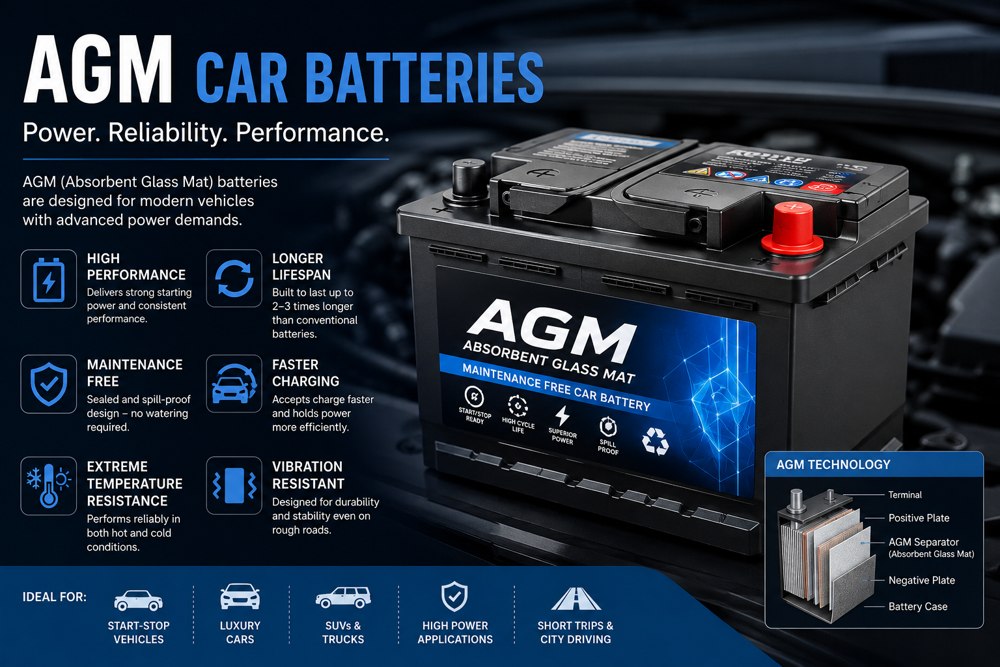
Maintenance requirements vary significantly between flooded and Valve Regulated Lead Acid (VRLA) batteries. Flooded batteries require regular watering. Distilled water must be used to top up the electrolyte to about 3mm below the vent well. VRLA batteries, which include AGM (Absorbent Glass Mat) and Gel types, are "maintenance-free" in terms of watering because they use an internal oxygen recombination cycle.
However, VRLA batteries are more sensitive to overcharging. According to IEEE Standard 1188, thermal runaway is a significant risk for VRLA units in poorly ventilated areas. If the heat generated during charging cannot dissipate, the battery temperature rises, increasing current draw and leading to a destructive cycle. Therefore, VRLA systems require precise voltage regulation and adequate airflow.
How should O&M teams implement a maintenance schedule?
A proactive maintenance schedule is the best defense against unexpected downtime. Monthly inspections should include cleaning terminal connections with a mixture of baking soda and water to neutralize acid spray. Applying a thin layer of petroleum jelly or specialized terminal grease prevents future oxidation. According to industry studies, clean terminals can reduce energy loss by 2-3% across a large battery bank.
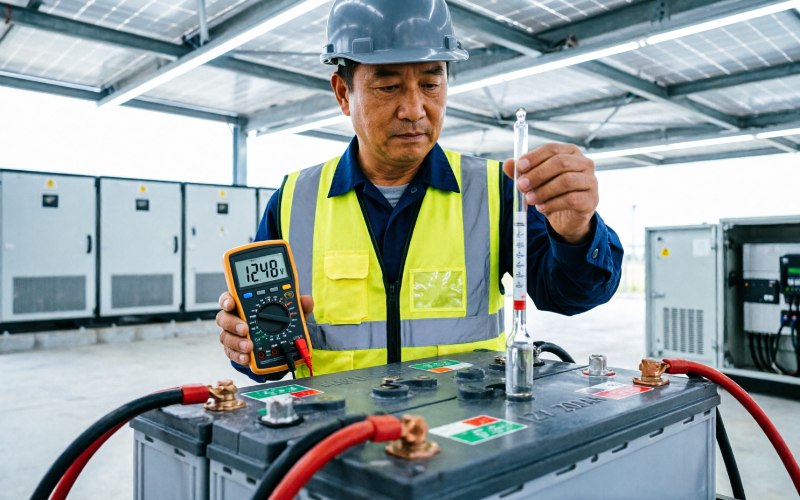
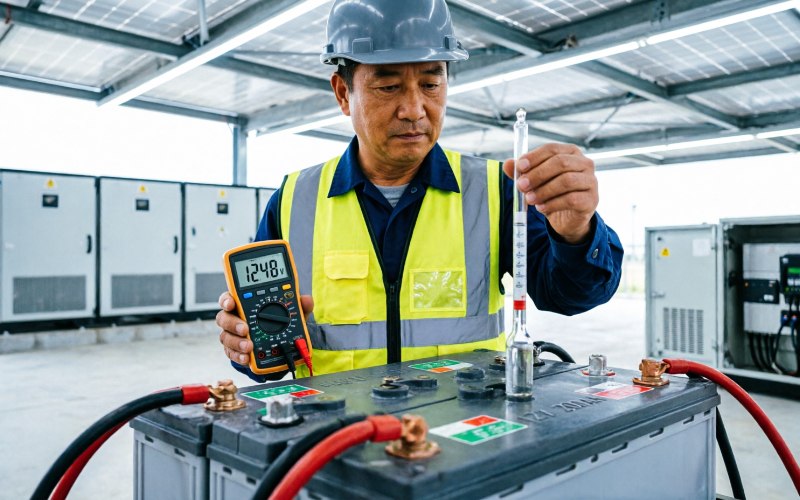
Quarterly, O&M teams should perform a capacity test or a discharge test. This involves discharging the battery under a controlled load to determine its actual remaining capacity. If a battery's capacity drops below 80% of its original rating, it is generally considered to be at the end of its useful life for critical applications. For flooded batteries, specific gravity should be measured using a temperature-compensated hydrometer, aiming for 1.265 in a fully charged cell.
What tools are essential for deep cycle battery diagnostics?
Modern battery diagnostics go beyond simple voltage readings. A digital multimeter is necessary but insufficient. O&M teams should use internal resistance or conductance testers. These tools send a small AC signal through the battery to measure its impedance. An increase in impedance of more than 20% over the baseline indicates significant degradation or sulfation. This data allows for predictive maintenance, replacing individual cells before the entire string fails.
For flooded systems, the hydrometer remains the gold standard. It measures the density of the electrolyte, providing a direct reading of the state of charge of each individual cell. In a healthy battery, the specific gravity readings should not vary by more than 0.050 between the highest and lowest cells. Larger deviations indicate a failing cell that may need to be replaced to prevent dragging down the performance of the entire string.
How does Peukert’s Law influence deep cycle performance?
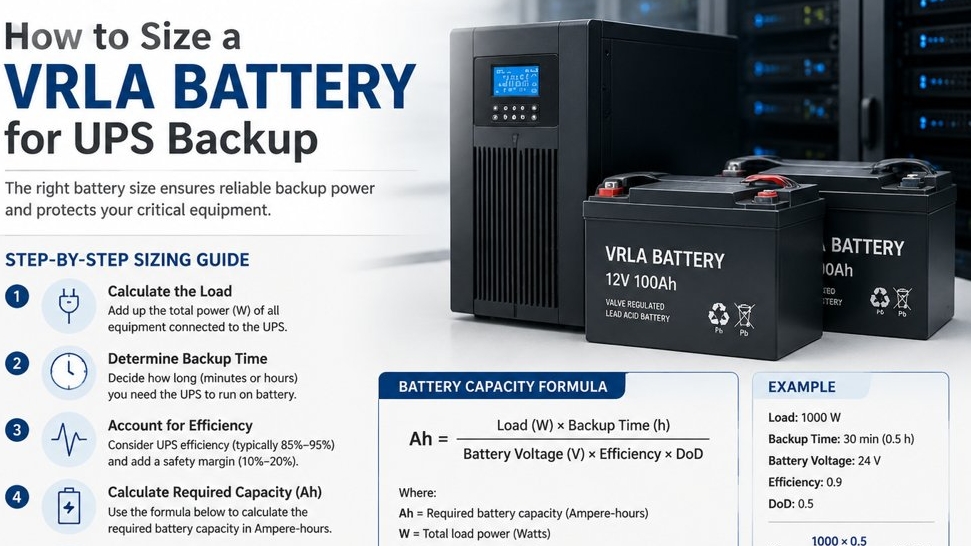
Peukert’s Law describes the phenomenon where the available capacity of a lead-acid battery decreases as the rate of discharge increases. The formula C = I^n * t (where C is capacity, I is current, n is the Peukert constant, and t is time) is critical for system sizing. A battery rated for 100Ah at a 20-hour rate (5A discharge) will not provide 100Ah if discharged at 50A. Instead, it might only provide 60-70Ah.
Understanding this constant—which typically ranges from 1.1 to 1.3 for lead-acid batteries—allows O&M teams to set more accurate low-voltage disconnect (LVD) points. If a system is under heavy load, the LVD must be set lower to account for the temporary voltage sag caused by internal resistance. This prevents premature system shutdowns while still protecting the battery from over-discharge.
Frequently Asked Questions
How often should I water my flooded deep cycle batteries?
Check electrolyte levels monthly. Frequency increases with higher temperatures and heavy cycling. Only add distilled water after the battery is fully charged, unless the plates are exposed, in which case add just enough to cover them before charging.
Can I mix old and new batteries in the same string?
No, mixing old and new batteries is not recommended. Newer batteries have lower internal resistance and will take a higher share of the charging current, potentially overcharging while the older batteries remain undercharged. Always replace the entire string or use a battery balancer.
What is the best way to store deep cycle batteries for winter?
Store batteries in a fully charged state in a cool, dry place. A fully charged battery will not freeze until -60°C, whereas a discharged battery can freeze at 0°C. Check the voltage every 3 months and recharge if it drops below 12.4V.
How do I know if my battery is sulfated?
Common signs of sulfation include low specific gravity readings despite long charging, rapid voltage rise during charging, and significantly reduced capacity. Use a desulfation charger or a prolonged equalization charge to attempt recovery.







 en
en  fra
fra  spa
spa  de
de  vie
vie  ru
ru  ara
ara  kor
kor