This is more than just a series of products; it is an ecosystem we have built to achieve a more efficient, reliable, and sustainable energy future. Discover how our products and solutions can create t...
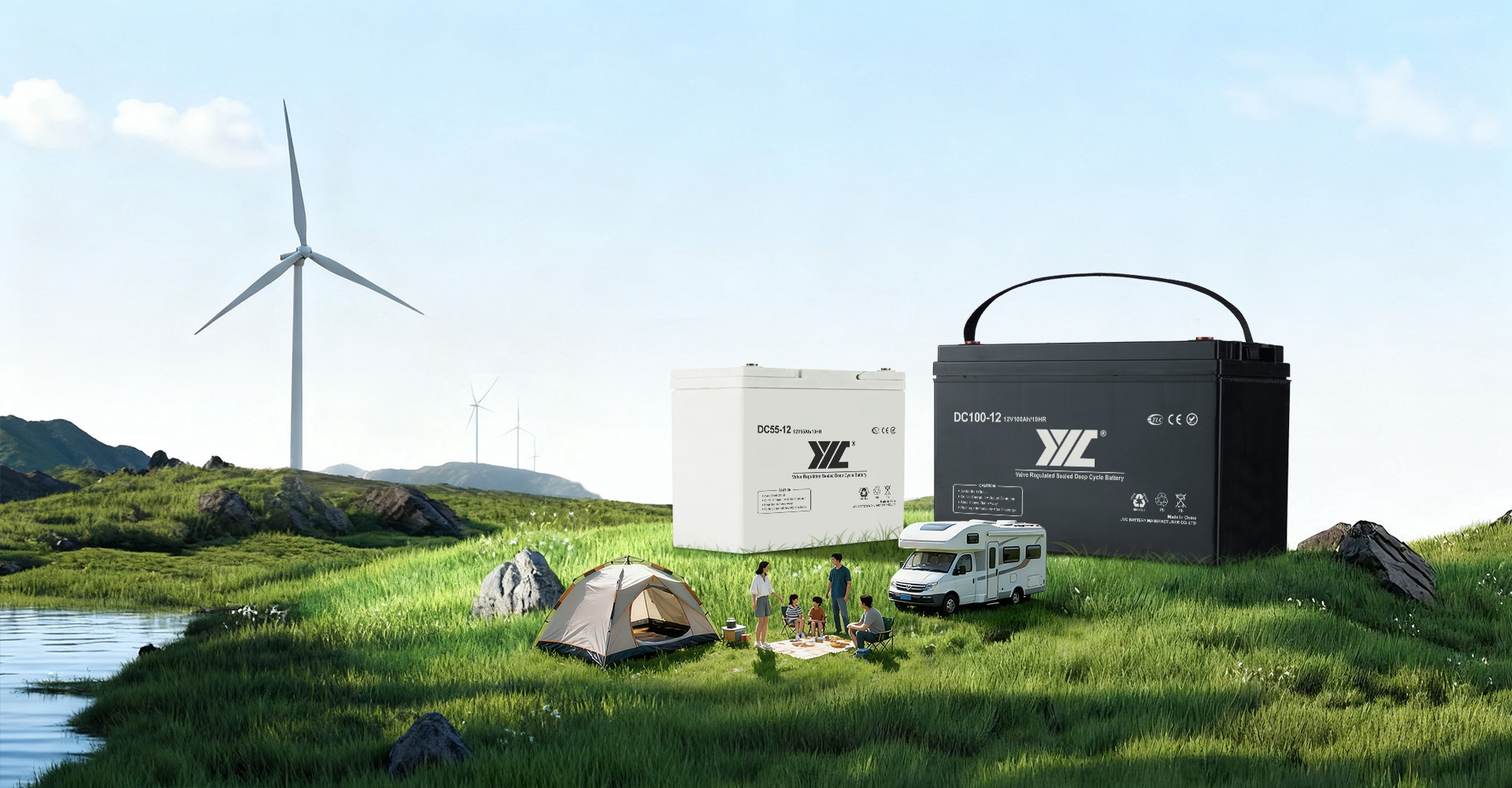
Our Industrial Batteries combine high-quality materials, robust design, and dependable performance. With excellent deep-cycle capability and easy maintenance, they are ideal for diverse applications. ...
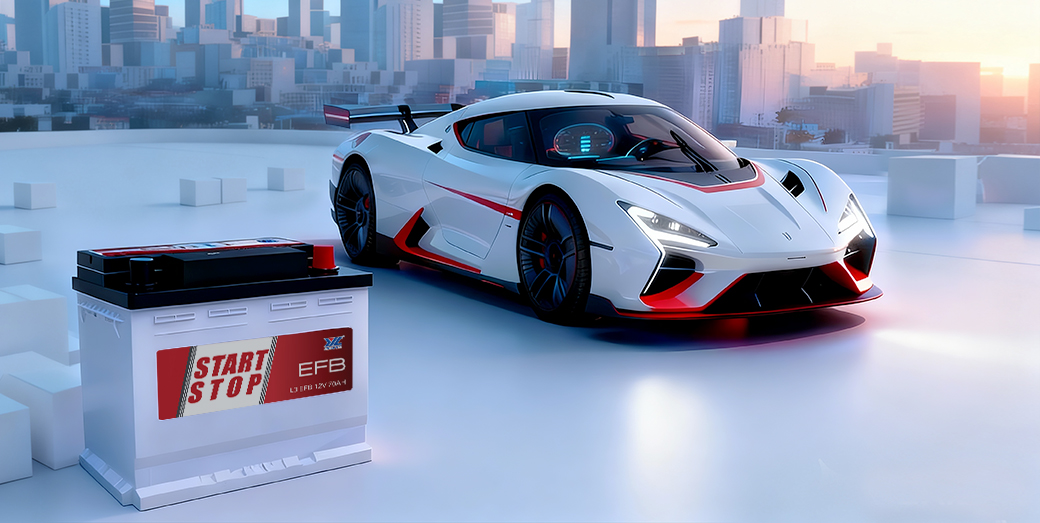
JYC Transportation batteries are a category of power storage devices specifically designed for transportation scenarios, with core functions of providing continuous, stable, and high-efficiency power ...
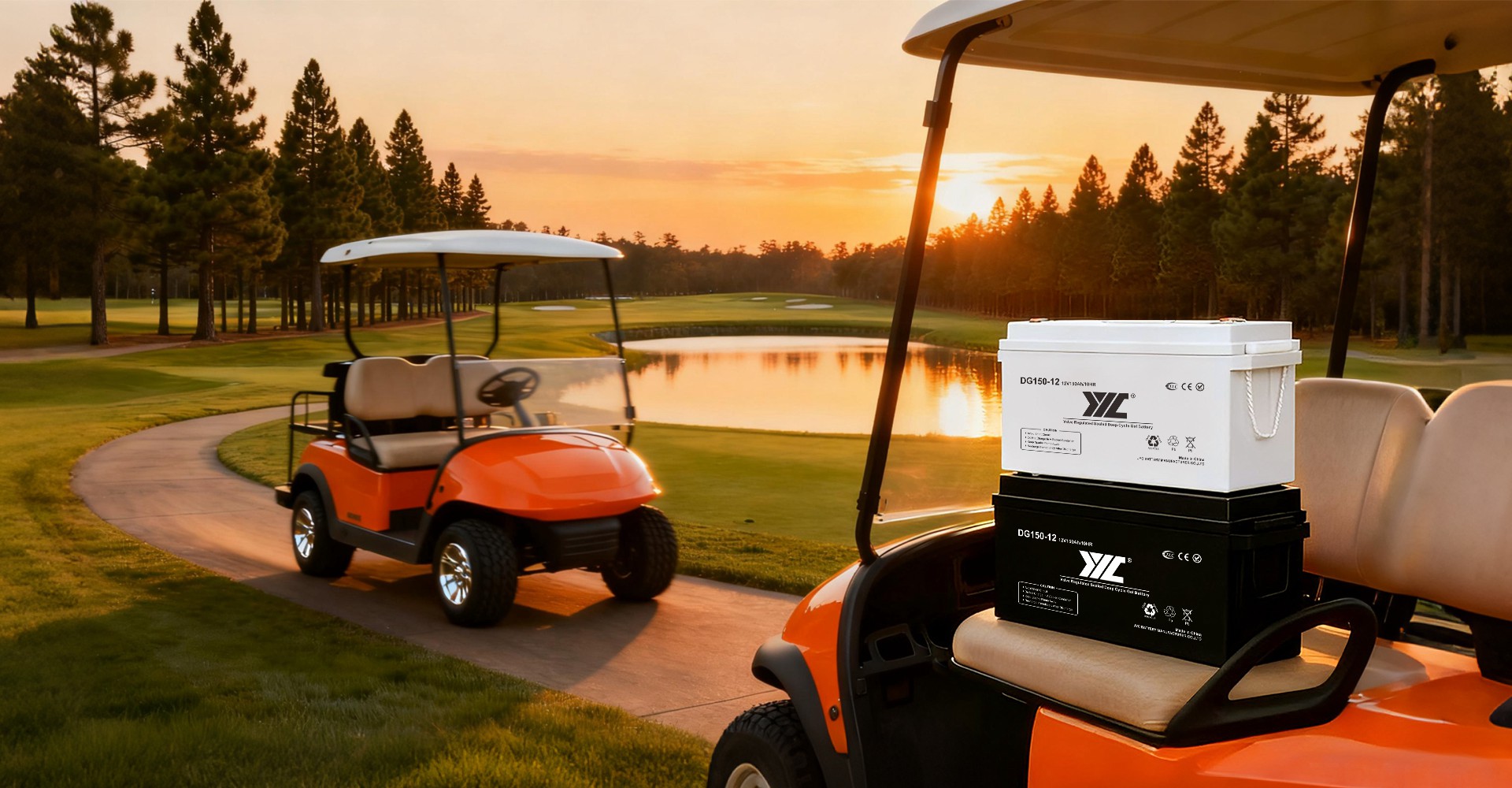
JYC Motive Power batteries are deep-cycle energy storage devices specifically designed for industrial and commercial vehicles and specialized equipment. Their core function is to provide continuous an...
Based on the low-carbon concept, and thanks to the competitiveness of energy storage technology, lithium applications in various systems will be gradually realized globally. JYC Lithium Battery Soluti...
Focus on company news, product updates and market events. We provide continuous updates to bring you first-hand information, helping you stay informed about our development progress at all times.
Valve-Regulated Lead-Acid (VRLA) batteries are a cornerstone of backup power systems for critical infrastructure. For system integrators, a deep understanding of VRLA technology is essential to design reliable, cost-effective solutions. This guide covers VRLA battery types, construction, key parameters, applications, maintenance, and a detailed ROI comparison with lithium-ion.
Key Takeaways
VRLA batteries require no water topping, making them truly maintenance-free.
Two main types exist: AGM (Absorbent Glass Mat) and Gel (gelled electrolyte), each with distinct performance characteristics.
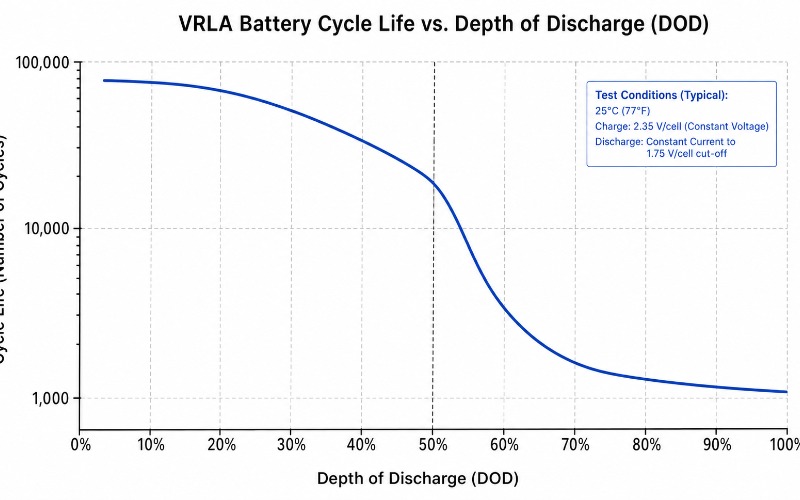
Cycle life at 80% Depth of Discharge (DOD) typically ranges from 200 to 500 cycles for standard VRLA models.
Grid alloy technology (lead-calcium, lead-tin) heavily influences corrosion resistance and cycle life.
VRLA remains a cost-effective choice for standby power compared to lithium, especially when upfront cost is a priority.
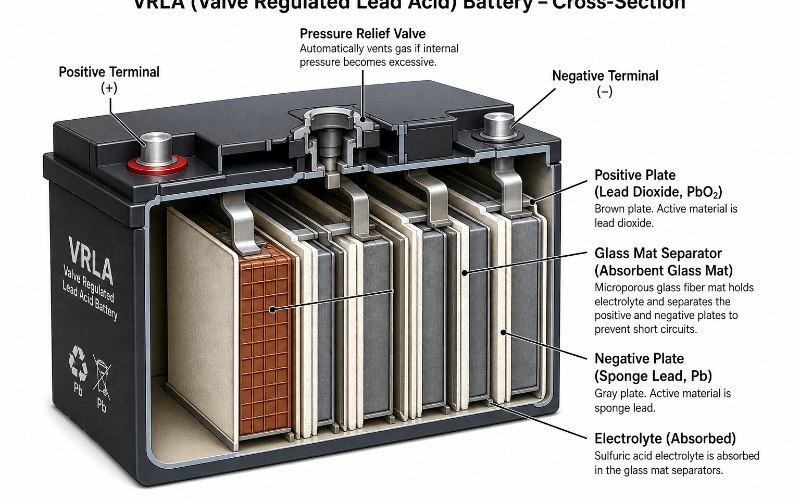
VRLA stands for Valve-Regulated Lead-Acid. Unlike flooded lead-acid batteries, VRLA batteries are sealed and incorporate a pressure relief valve. They use an oxygen recombination cycle to minimize water loss, eliminating the need for water addition. This design makes them ideal for applications where maintenance access is limited.
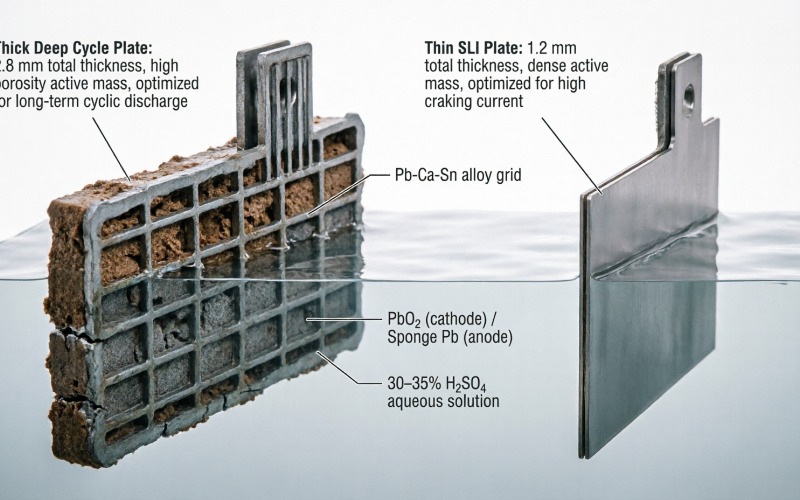
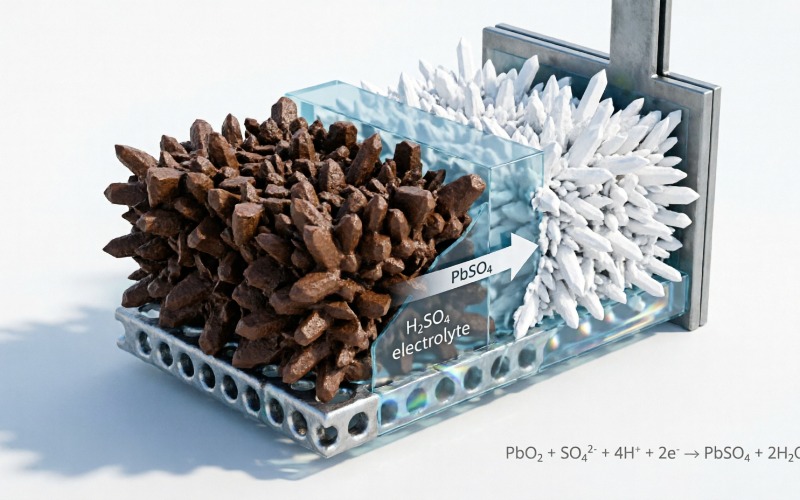
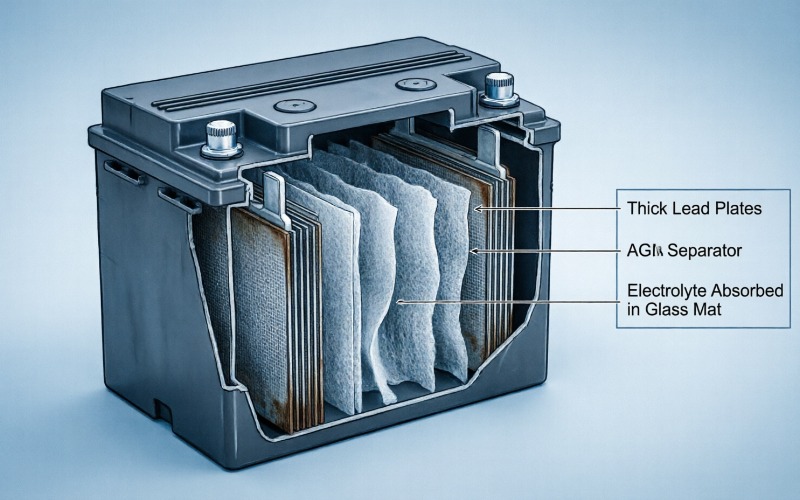
Internally, VRLA batteries consist of lead dioxide (positive plate), sponge lead (negative plate), and a sulfuric acid electrolyte. The electrolyte is either immobilized in a glass mat (AGM) or mixed with silica to form a gel (Gel). The recombination reaction converts oxygen generated at the positive plate back into water at the negative plate, achieving over 99% recombination efficiency.
Types of VRLA Batteries: AGM vs Gel
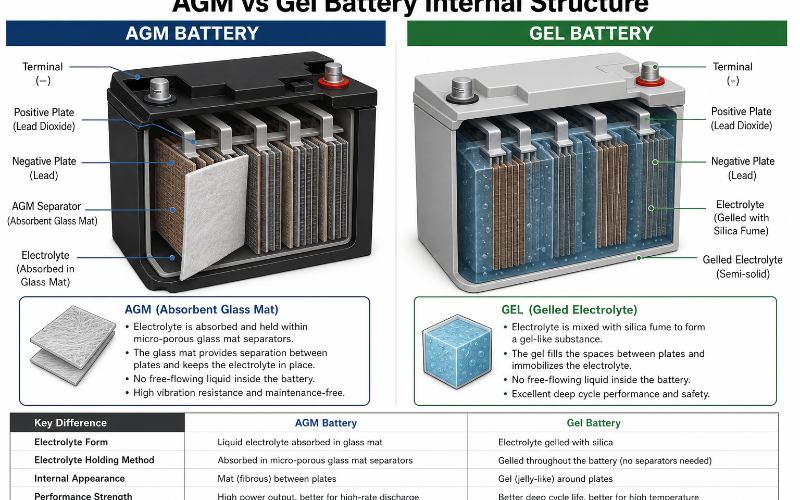
Choosing between AGM and Gel depends on the application's discharge profile, temperature, and cycle requirements.
AGM VRLA Batteries
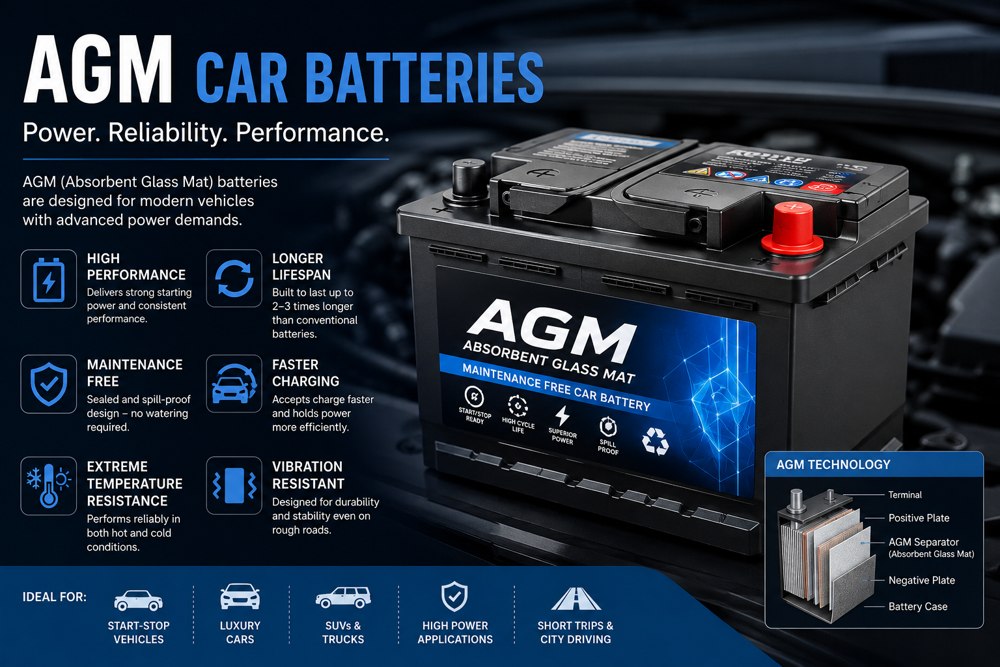
AGM batteries use a highly porous glass mat separator that absorbs the electrolyte. They offer low internal resistance, high specific power, and excellent high-rate discharge performance. This makes AGM the preferred choice for UPS systems and other applications requiring high current in short bursts.
Gel VRLA Batteries
Gel batteries use electrolyte thickened with silica, forming a gel-like paste. They have higher internal resistance than AGM but exhibit superior deep-cycle performance and tolerance to high temperatures. Gel cells are often used in solar storage and wheelchair applications where deep discharges are common.
Key Technical Parameters
System integrators must understand the following parameters when specifying VRLA batteries:
Nominal Voltage: Usually 2V per cell; common modules are 2V, 4V, 6V, or 12V.
Capacity (Ah): Measured at a specific discharge rate (e.g. C20, C10).
Depth of Discharge (DOD): The percentage of capacity used; higher DOD reduces cycle life.
Cycle Life @ 80% DOD: Number of cycles before capacity falls below 80% of nominal.
Float Life: Expected service life when maintained at a constant voltage (typically 10-20 years at 25°C).
Advanced grid alloy technology is a hallmark of premium VRLA batteries. JYC Battery uses lead-calcium-tin alloys in positive grids to reduce grid corrosion and enhance deep-cycle performance. The negative plates often contain expanders to maintain capacity over many cycles.
The oxygen recombination cycle is facilitated by a precise balance of gas pressure and valve setting. Separator compression ensures good contact between plates and electrolyte, while flame arrestors prevent external ignition. Thermal runaway is a risk in VRLA batteries; proper derating and ventilation reduce this hazard.
Applications for System Integrators
VRLA batteries are widely used in:
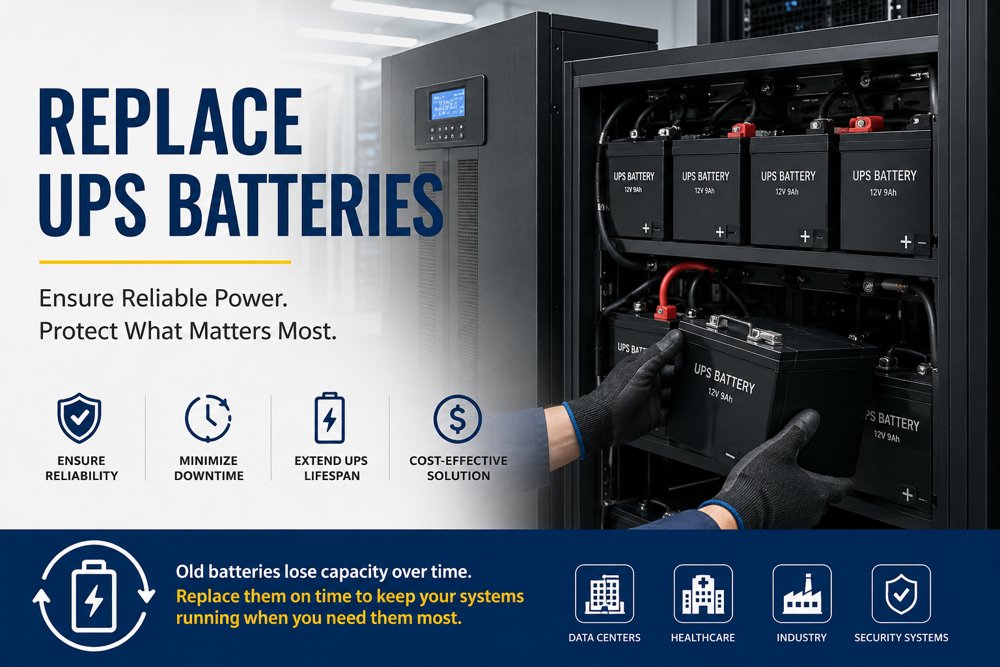
Uninterruptible Power Supplies (UPS): High-rate discharge for short autonomy (minutes to hours). AGM is dominant here. For detailed UPS lead acid battery solution.
Solar & Renewable Storage: Deep-cycle applications; Gel batteries are common for daily cycling. For additional lifecycle and operating context, see AGM vs. GEL off-grid solar analysis as a follow-up reference.
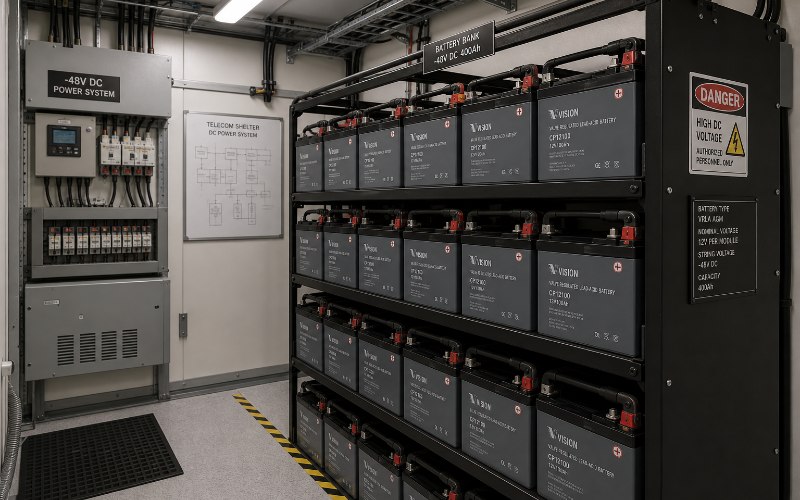
Telecommunications: Float service with occasional discharge; both AGM and Gel are used. Take a look about telecom battery.
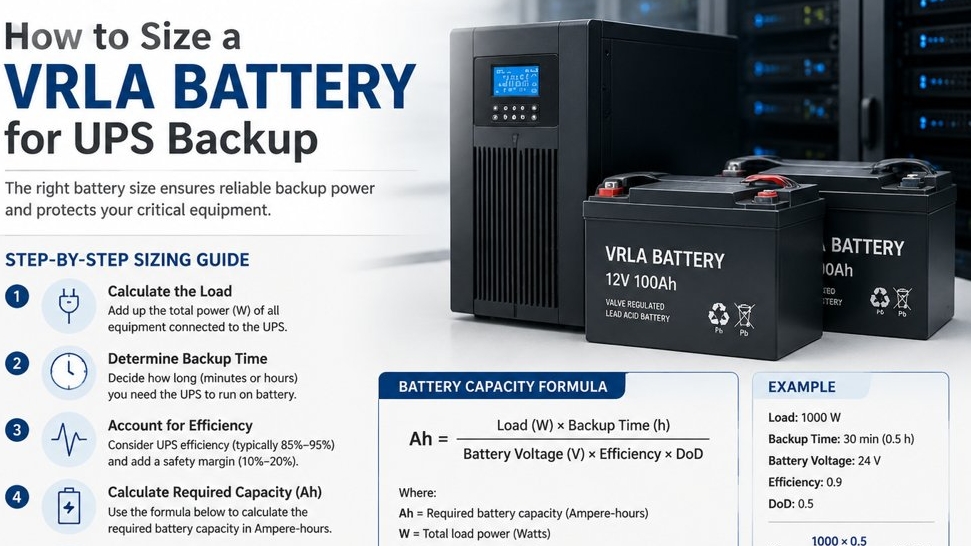
When designing a system, integrators must account for battery sizing, charging profile (IUU algorithm), temperature compensation, and enclosure ventilation. Properly sized VRLA banks can deliver reliable power for over a decade.
For system planning, see our energy storage solutions to align the battery choice with site requirements.
Maintenance and Safety
Although classified as maintenance-free, VRLA batteries require periodic inspection. Check for swelling, terminal corrosion, and voltage imbalance. Conduct impedance or conductance testing to identify weak cells. Ensure that the pressure valve is clean and that the battery is not overcharged (thermal runaway risk).
Safety precautions include proper disposal through recycling programs. VRLA batteries are classified as hazardous waste due to lead and acid content. JYC Battery offers compliant take-back services in many regions.
VRLA vs Lithium: An ROI Analysis
Lithium-ion batteries (especially LiFePO4) offer higher cycle life and energy density but at a higher initial cost. The table below compares key metrics for a typical 12V 100Ah system:
Parameter
AGM VRLA
Gel VRLA
Lithium LiFePO4
Nominal Voltage
12v
12V
12.8V
Capacity (Ah)
100
100
100
Cycle Life @ 80% DOD
300
400
3000
Energy Density (Wh/kg)
35
35
120
Float Life @ 25°C
10 years
12 years
15 years
Operating Temperature
-20°C to 50°C
-20°C to 55°C
0°C to 45°C
Self-Discharge per Month
3%
2%
1%
Initial Cost per kWh
$150
$180
$400
Cost per Cycle per kWh
$0.50
$0.45
$0.13
For standby applications with infrequent discharges, VRLA offers lower total cost of ownership when upfront capital is constrained. For daily cycling, lithium's longer life often yields a better ROI despite higher initial cost.
Frequently Asked Questions
What does VRLA stand for?
VRLA stands for Valve-Regulated Lead-Acid. It describes a sealed lead-acid battery with a pressure relief valve that allows gas recombination.
How long do VRLA batteries last?
Float life at 25°C typically ranges from 5 to 15 years depending on quality and usage. Cycle life at 80% DOD is 200-500 cycles for standard models, but premium deep-cycle versions can exceed 800 cycles.
Can VRLA batteries be used in series?
Yes, VRLA batteries can be connected in series to achieve higher voltages, provided they are matched in capacity and state of charge. Manufacturers recommend using batteries from the same batch.
What is the difference between AGM and Gel?
AGM uses a glass mat separator that absorbs electrolyte; Gel uses electrolyte thickened with silica. AGM has lower internal resistance and is better for high-rate discharge. Gel handles deep cycles and higher temperatures better.
How do I dispose of VRLA batteries?
VRLA batteries must be recycled to recover lead and plastic. Many manufacturers and distributors offer take-back programs. Never dispose of them in landfills.
Conclusion
VRLA batteries continue to be a reliable, cost-effective solution for standby and cyclic applications where upfront cost is a priority. By understanding the differences between AGM and Gel, selecting appropriate grid alloys, and following recommended maintenance, system integrators can deliver robust power systems. JYC Battery offers a comprehensive range of VRLA batteries designed for deep-cycle and float service. Explore our lead-acid product line or compare with lithium options.



 en
en  ara
ara  de
de  fra
fra  kor
kor  ru
ru  spa
spa  vie
vie