JYC Battery
VRLA Battery

VRLA Battery

Powering Industries with Premium Lead Acid Batteries. From 2V industrial cells to 12V standby blocks, our VRLA Battery technology delivers unmatched stability for UPS, renewable energy, and telecom sectors. Partner with a global leader in energy storage solutions.
What is a VRLA Valve Regulated Lead Acid Battery?

What is a VRLA Valve Regulated Lead Acid Battery?

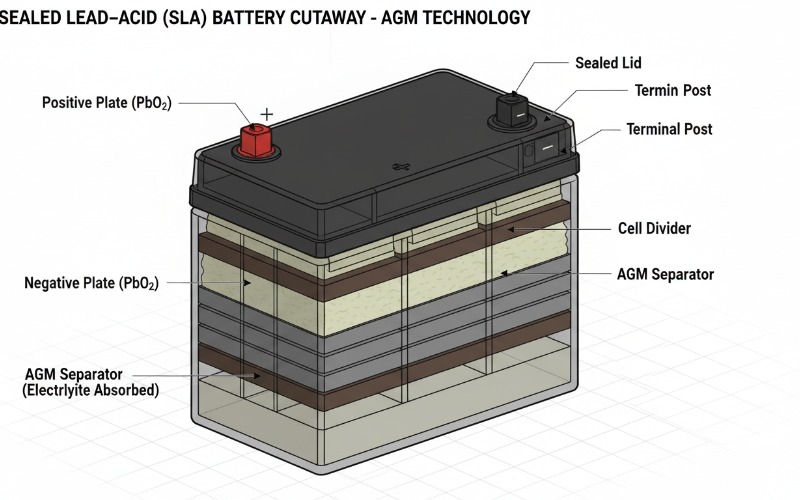
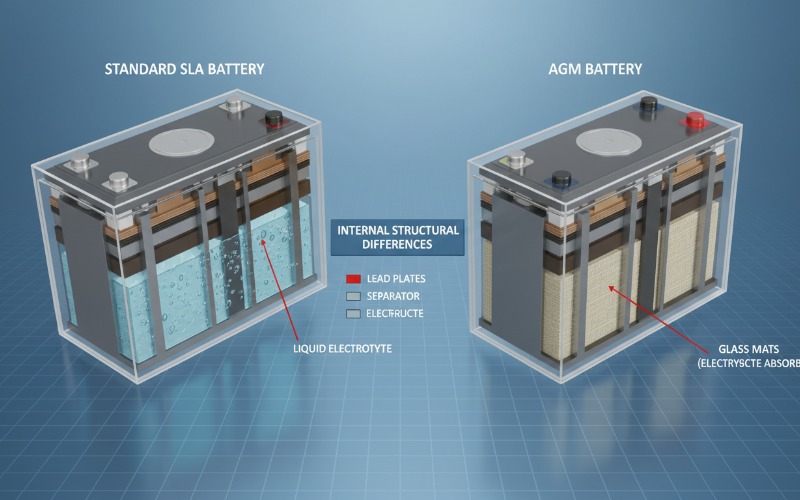
A VRLA (Valve Regulated Lead Acid) battery is a maintenance-free, rechargeable lead acid battery that utilizes an oxygen recombination cycle to eliminate the need for regular water addition. These batteries are primarily categorized into AGM (Absorbent Glass Mat) and Gel types, offering leak-proof, high-reliability power for critical UPS, telecommunications, and renewable energy systems.

Advantages of Lead Acid Battery

Despite the rise of new energy technologies, lead acid batteries remain the most trusted and cost-effective energy storage solution globally. Their maturity, safety profile, and unparalleled recyclability make them the "gold standard" for critical infrastructure, ranging from telecommunications to heavy-duty industrial backup.
  • 01

    Unmatched Safety Profile

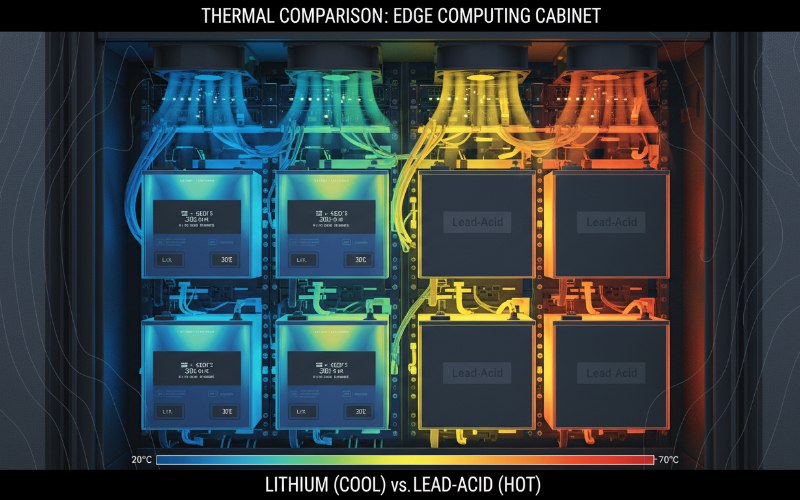
    Lead acid batteries are inherently non-flammable and far less prone to thermal runaway than lithium-ion. This makes them the safest choice for critical indoor backup in hospitals, data centers, and schools.

  • 02

    Superior Cost-Efficiency

    They offer the lowest initial investment (CAPEX) of any mature battery technology. For large-scale standby power where high energy density isn't the primary concern, lead acid delivers the best ROI.

  • 03

    True Circular Economy

    With a 99% recycling rate, lead acid is the most sustainable battery technology on Earth. A well-established global network ensures almost every component is reused, significantly reducing environmental impact.

Explore Our Professional Lead Acid Battery Range

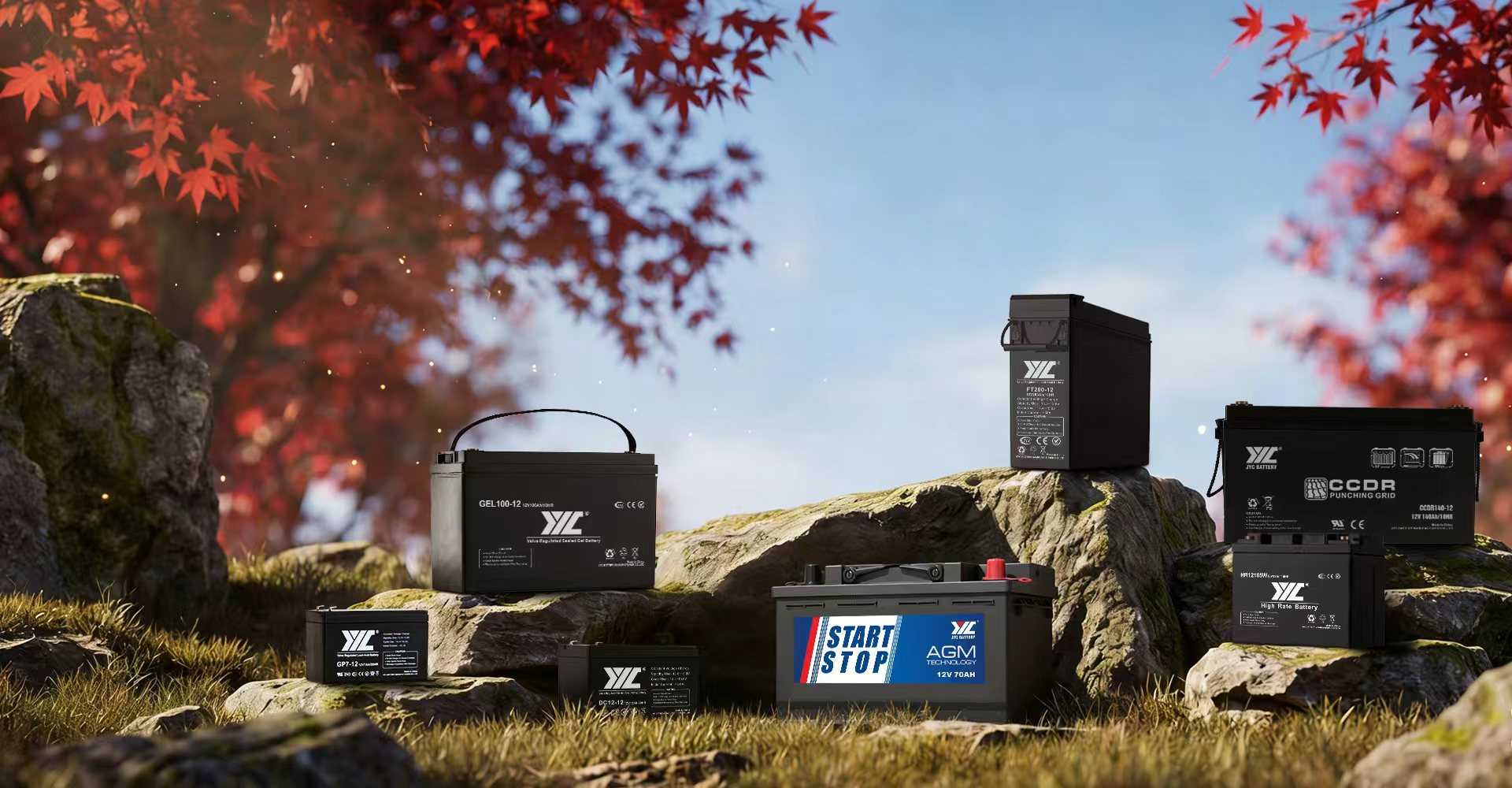
Our 2026 product lineup is engineered for maximum energy density and extended service life. Whether you need high-rate discharge for a data center or durable cycling for solar storage, we have the right lead acid battery technology.
  • AGM Lead Acid Battery

    Designed with thin glass mat separators, our vrla agm batterie offer the lowest internal resistance in the market, making it the premier choice for rechargeable lead acid battery applications requiring high-current bursts.

    Learn more
  • GEL Lead Acid Battery

    Our vrla gel battery utilizes a thixotropic silica gel electrolyte, preventing acid stratification and ensuring stable performance even in extreme temperatures (-20°C to +55°C).

    Learn more
  • OPzV Tubular Battery

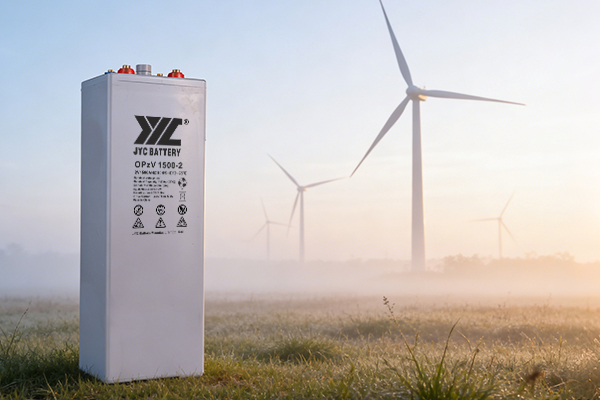
    Our OPzV tubular gel VRLA battery sets a new standard for longevity. Built with a reinforced tubular grid and premium gel electrolyte, it offers a design lifespan of up to 20 years and outstanding resistance to heat and deep discharge. Perfect for unattended power systems requiring decades of maintenance-free service.

    Learn more
  • Deep Cycle Lead Acid Battery

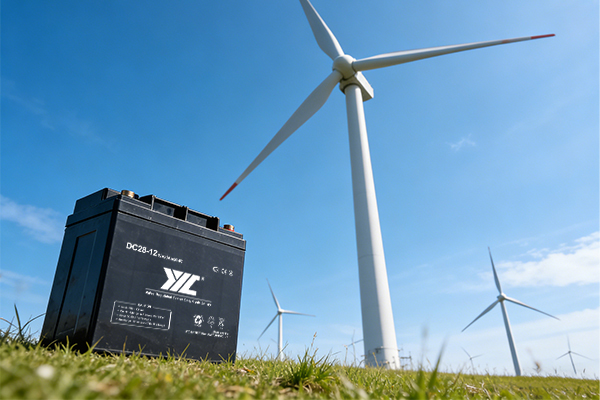
    Our deep cycle VRLA battery is engineered with thick plates and optimized active material to withstand repeated deep discharge cycles while maintaining stable capacity and long service life.

    Learn more
  • High Rate Lead Acid Battery

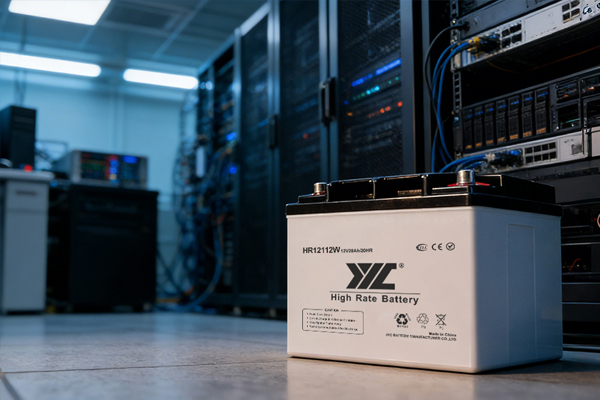
    Our high rate VRLA battery is designed with low internal resistance and optimized plate structure to deliver high power output during short-duration discharge. Adopting advanced CCDR Punching grid technology, it further enhances charge acceptance, improves deep cycle performance, and ensures stable and reliable operation under frequent high-current charge-discharge conditions.

    Learn more
  • Starting Lead-Acid Battery

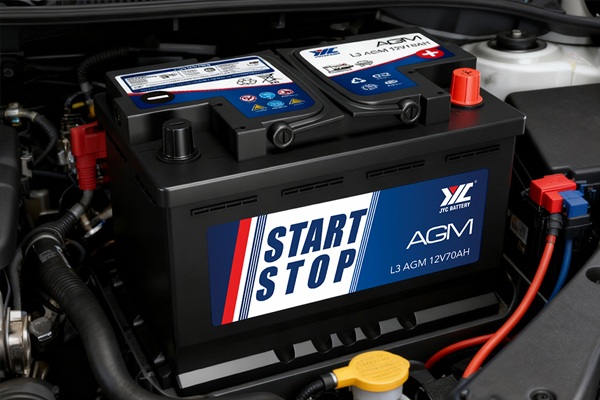
    Our starting lead-acid battery is engineered to deliver high cranking power for reliable engine ignition. With optimized thin plate construction and low internal resistance, it provides instant high-current output required for automotive and generator starting applications.

    Learn more
Feature OPzV  High Rate Standard AGM  Gel Deep Cycle 
Electrolyte State Gelled (No free liquid) Absorbed (No free liquid) Absorbed (No free liquid) Gelled (No free liquid) Absorbed/Gelled (No free liquid)
Maintenance Zero Zero Zero Zero Zero
Internal Resistance Moderate-High Low Low-Moderate Moderate-High Moderate
Cycle Life (50% DoD) ~1200-2000 cycles ~400-800 cycles ~300-600 cycles ~800-1200 cycles ~1000-1500 cycles
Vibration Resistance High High High Moderate High
Heat Tolerance Superior Moderate Moderate Superior Moderate
Cold Performance Moderate Good-Moderate Poor-Moderate Poor Moderate
Charge Acceptance Slow Fast Fast Slow Slow
Installation Angle Any Orientation Any Orientation Any Orientation Any Orientation Any Orientation
Primary Use Case 20yr long-life backup/storage High-power short pulses General backup Off-grid deep cycle Deep cycle energy storage


Lead Acid Battery Applications

Lead-acid batteries remain a cornerstone of modern energy infrastructure due to their unrivaled cost-efficiency and established recycling ecosystem. These "workhorses" evolve from simple automotive starters into sophisticated VRLA (AGM and Gel) systems powering diverse global industries.

Uninterruptible Power Supplies (UPS)

Renewable Energy Storage

Telecommunications

Motive Power

  • Uninterruptible Power Supplies (UPS):

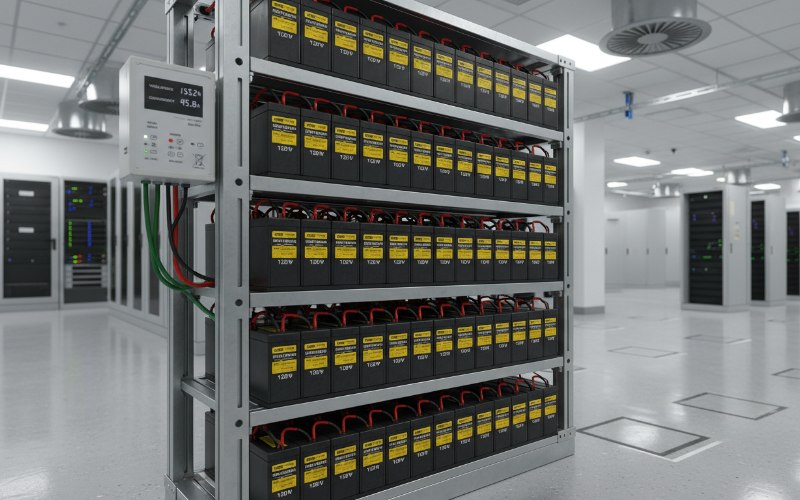
    This is perhaps the most critical application. Data centers, hospitals, and financial institutions rely on AGM VRLA batteries for high-rate discharge performance. They provide the millisecond-level response needed to bridge the gap between a grid failure and generator startup.

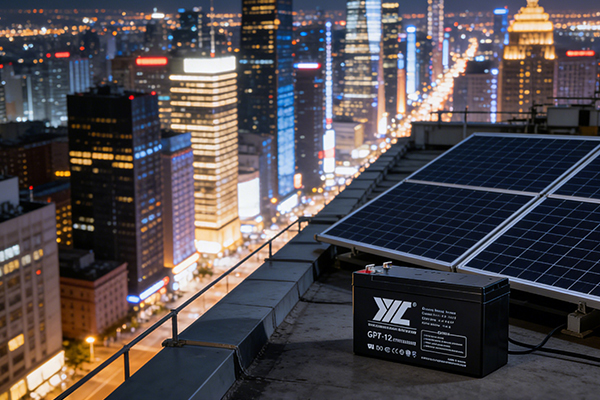
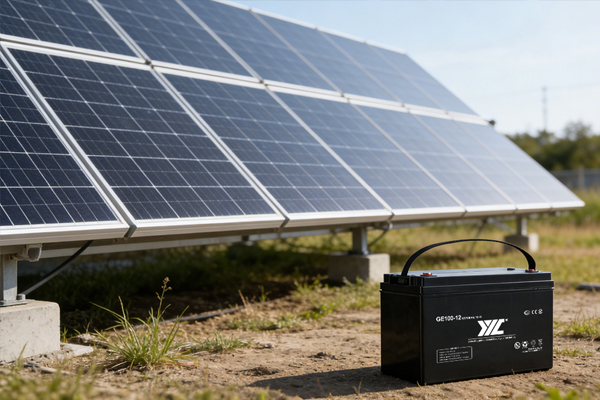
  • Renewable Energy Storage:

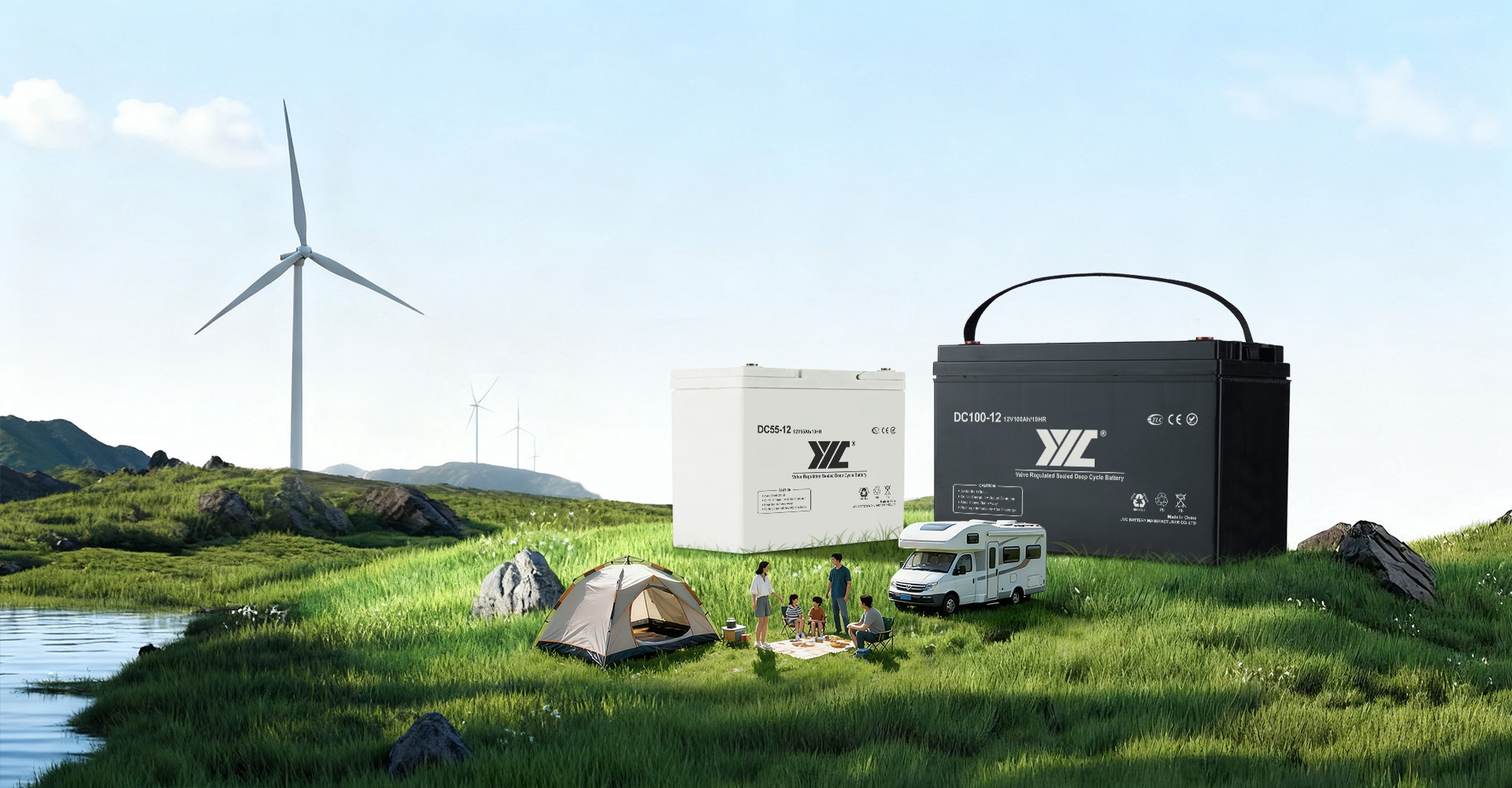
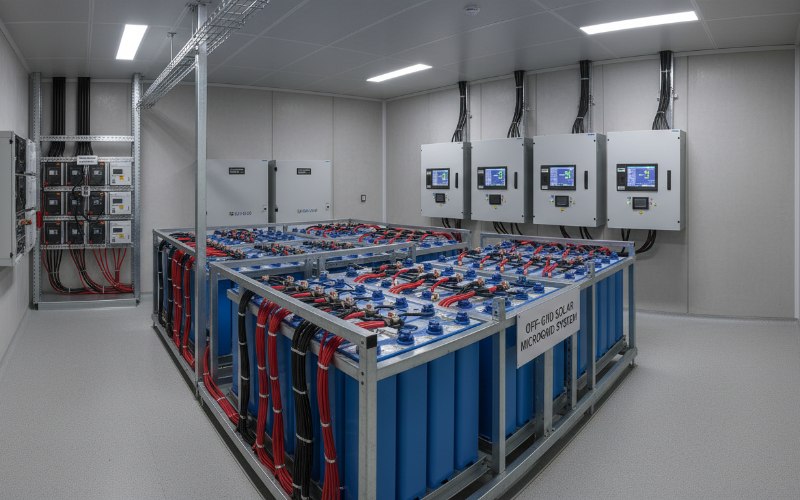
    In off-grid solar and wind installations, Deep Cycle Gel batteries are the preferred choice. Their ability to handle daily charge-discharge cycles and operate in variable temperatures makes them ideal for storing sustainable energy in remote locations.

  • Telecommunications:

    The global cellular network runs on lead-acid. Front-access VRLA batteries are designed specifically for telecom racks, providing reliable 48V backup power to ensure mobile connectivity during outages.

  • Motive Power:

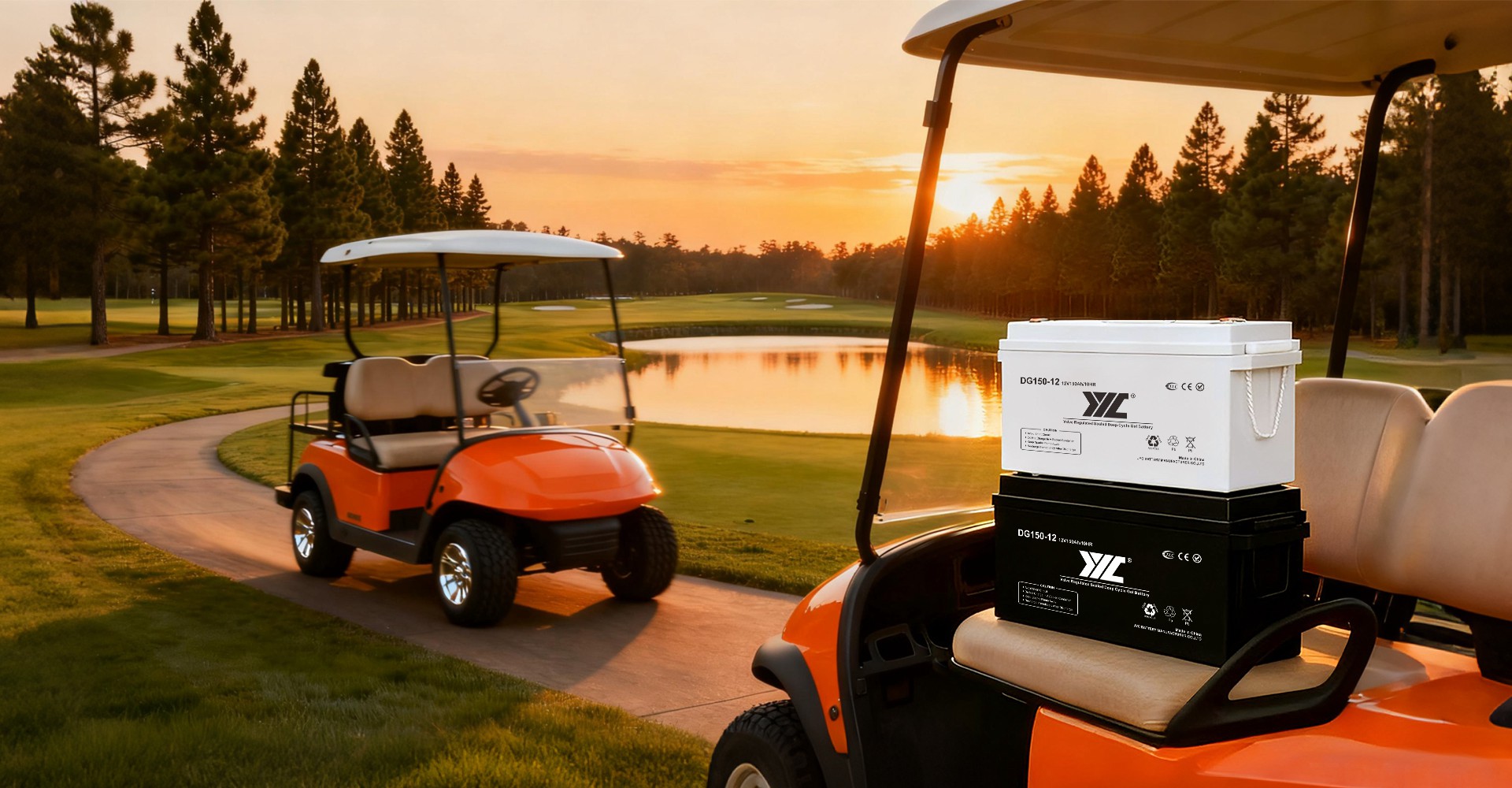
    Beyond starting car engines, heavy-duty lead-acid batteries power trucks, marine vessels, industrial forklifts, golf carts, and floor scrubbers, offering a robust and heavy counterweight that lithium-ion often lacks.

Technical Specifications & Performance Comparison

Use the table below to evaluate the best VRLA battery for your specific project requirements.
FeatureOPzV High Rate Standard AGM GelDeep Cycle 
Electrolyte StateGelled (No free liquid)Absorbed (No free liquid)Absorbed (No free liquid)Gelled (No free liquid)Absorbed/Gelled (No free liquid)
MaintenanceZeroZeroZeroZeroZero
Internal ResistanceModerate-HighLowLow-ModerateModerate-HighModerate
Cycle Life (50% DoD)~1200-2000 cycles~400-800 cycles~300-600 cycles~800-1200 cycles~1000-1500 cycles
Vibration ResistanceHighHighHighModerateHigh
Heat ToleranceSuperiorModerateModerateSuperiorModerate
Cold PerformanceModerateGood-ModeratePoor-ModeratePoorModerate
Charge AcceptanceSlowFastFastSlowSlow
Installation AngleAny OrientationAny OrientationAny OrientationAny OrientationAny Orientation
Primary Use Case20yr long-life backup/storageHigh-power short pulsesGeneral backupSolar/Off-grid deep cycleDeep cycle energy storage

Why Choose JYC's Lead Acid Batteries?

  • Premium Raw Materials

    We use 99.994% pure lead and specialized high-tin alloys, significantly reducing self-discharge and extending the service life of our VRLA batteries.

  • Advanced Manufacturing

    Our 100% automated COS (Cast-On-Strap) welding ensures consistent internal connections, providing superior vibration resistance and high-rate discharge performance.

  • Proven Durability

    Specifically engineered for extreme conditions, our Deep Cycle Gel and Lead-Carbon series offer 30% longer cycle life compared to standard market alternatives.

  • Global Compliance

    JYC products are fully certified by UL, CE, IEC,IATF16949 and ISO 9001/14001/45001, guaranteeing peace of mind for international B2B procurement.

Frequently Asked Questions

JYC Battery JYC Battery How do I choose between an AGM and a Gel lead acid battery?

Choose AGM if you need high power for short durations (like UPS) or have a limited budget. Choose Gel if you require deep cycling (daily charging/discharging) or if the batteries will be exposed to high ambient temperatures.

JYC Battery JYC Battery Are VRLA batteries truly maintenance-free?

Yes. Under normal operating conditions, the valve-regulated design prevents water loss, meaning you never need to check fluid levels. However, periodic terminal tightening and voltage monitoring are recommended for safety.

JYC Battery JYC Battery What is the typical shelf life of a rechargeable lead acid battery?

Our batteries can be stored for up to 6 months at 25°C before a refresh charge is required. Storing in cooler environments further extends shelf life.

JYC Battery JYC Battery What is the primary difference between AGM and Gel VRLA batteries?

The main difference lies in the electrolyte immobilization. AGM (Absorbent Glass Mat) batteries use a fiberglass mat to soak up liquid sulfuric acid, offering low internal resistance and high power. Gel batteries use silica to turn the electrolyte into a jelly-like mass, providing superior deep-cycle life and better performance in high-temperature environments.

JYC Battery JYC Battery How long is the typical service life of a VRLA battery?

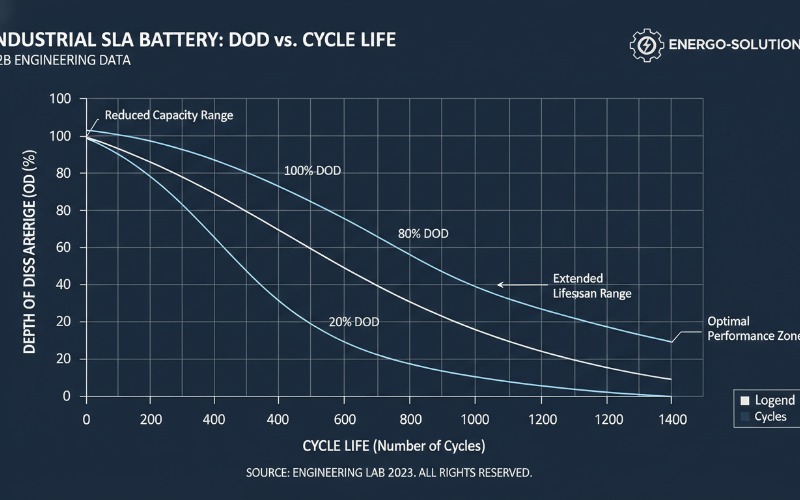
Service life varies by application. In standby float applications (like UPS), a high-quality VRLA battery typically lasts 5 to 10 years. In cyclic applications (like solar storage), life is measured in cycles, typically ranging from 300 to 1,200 cycles depending on the depth of discharge (DoD) and the specific technology used (AGM vs. Gel).

JYC Battery JYC Battery Can VRLA batteries be installed in any orientation?

Yes, one of the greatest advantages of VRLA technology is its spill-proof design. Because the electrolyte is immobilized (in a mat or gel), these batteries can be installed on their side or end without leaking. However, installing them completely upside down is generally not recommended to ensure the safety valves function correctly.

JYC Battery JYC Battery What is the ideal charging voltage for a 12V VRLA battery?

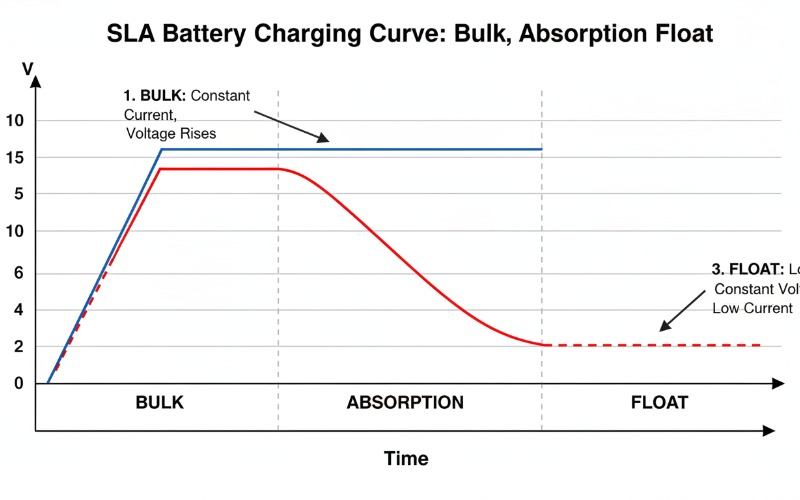
For float/standby use, the ideal voltage is typically between 13.5V and 13.8V. For cycle use, it ranges from 14.4V to 14.7V (at 25°C). Always refer to the manufacturer's datasheet, as charging parameters must be temperature-compensated to prevent overcharging.

JYC Battery JYC Battery Are VRLA batteries classified as hazardous for shipping?

Most modern VRLA batteries are classified as "Non-Spillable" and are exempt from stringent hazardous material regulations under IATA and DOT guidelines, provided they are securely packed and protected against short circuits. This makes them significantly easier and cheaper to transport than flooded lead-acid or some lithium batteries.

JYC Battery JYC Battery Are lead acid batteries rechargeable?

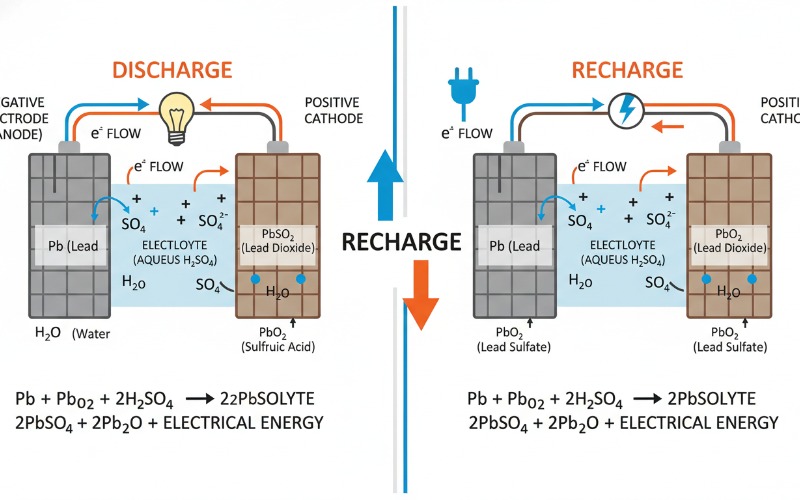
Yes, lead acid batteries are one of the most established types of rechargeable batteries in the world. They function through a reversible chemical reaction between lead, lead dioxide, and sulfuric acid. While highly reliable for thousands of shallow cycles, their longevity depends on proper charging—avoiding deep discharges below 50% for standard models and using temperature-compensated charging to prevent sulfation.

JYC Battery JYC Battery Are lead acid batteries safer than lithium-ion batteries?

From a thermal stability standpoint, lead acid batteries are generally considered safer than lithium-ion (Li-ion). Lead acid chemistry is non-flammable and significantly less prone to thermal runaway, as it does not contain the volatile organic electrolytes found in lithium cells. This makes them a preferred choice for critical backup power in sensitive environments like hospitals and data centers where fire safety is the top priority.
Get In Touch With JYC
Get in Touch with
TOP