This is more than just a series of products; it is an ecosystem we have built to achieve a more efficient, reliable, and sustainable energy future. Discover how our products and solutions can create t...
Our Industrial Batteries combine high-quality materials, robust design, and dependable performance. With excellent deep-cycle capability and easy maintenance, they are ideal for diverse applications. ...
JYC Transportation batteries are a category of power storage devices specifically designed for transportation scenarios, with core functions of providing continuous, stable, and high-efficiency power ...
JYC Motive Power batteries are deep-cycle energy storage devices specifically designed for industrial and commercial vehicles and specialized equipment. Their core function is to provide continuous an...
Focus on company news, product updates and market events. We provide continuous updates to bring you first-hand information, helping you stay informed about our development progress at all times.
Are Gel Batteries Lead Acid and Where Do They Fit in Modern Energy Storage
2026-10-28 10:30:51
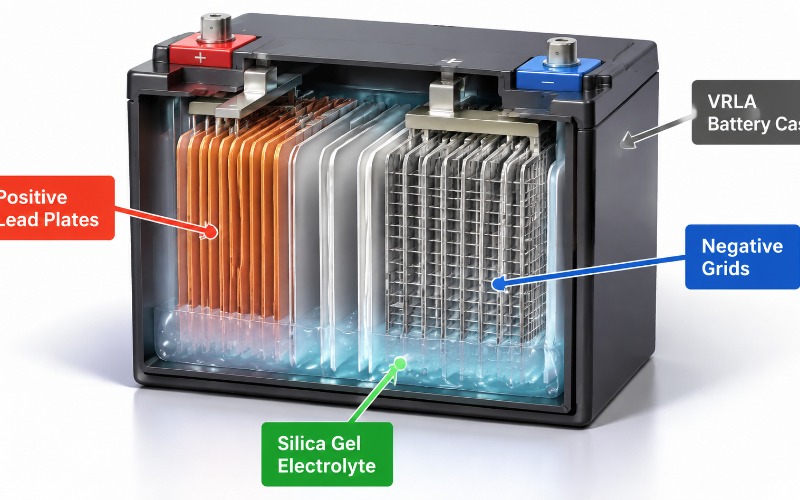
Yes, gel batteries are a specialized type of lead acid battery belonging to the broader category of Valve-Regulated Lead-Acid (VRLA) systems. According to technical documentation from the International Electrotechnical Commission (IEC), gel cells utilize the same fundamental lead-dioxide and spongy lead electrochemistry as flooded units, but they immobilize the liquid sulfuric acid electrolyte into a thick, silica-based gel.
Are gel batteries lead acid or an entirely distinct electrochemical technology?
Many procurement specialists and energy storage project developers often ask whether gel cells operate on a completely different chemical foundation. In reality, gel battery classification places these units squarely within the family of sealed lead acid battery types. They rely on the exact same reversible chemical reduction-oxidation reactions between lead plates and sulfuric acid.
According to research by the Institute of Electrical and Electronics Engineers (IEEE), the primary distinction lies in how the electrolyte is handled rather than the core materials. While flooded batteries use a free-flowing liquid, a lead acid gel cell mixes fumed silica into the electrolyte solution. This conversion creates a semi-solid matrix that prevents acid stratification and eliminates the risk of free liquid spills during operation.
Feature
Flooded Lead-Acid
Gel VRLA Battery
Electrolyte State
Free-flowing liquid
Immobilized silica gel
Maintenance
Regular water topping required
Maintenance-free
Spill Risk
High
None (Leak-proof)
Cycle Life (Typical)
500 - 800 cycles
Up to 1200+ cycles at 50% DOD
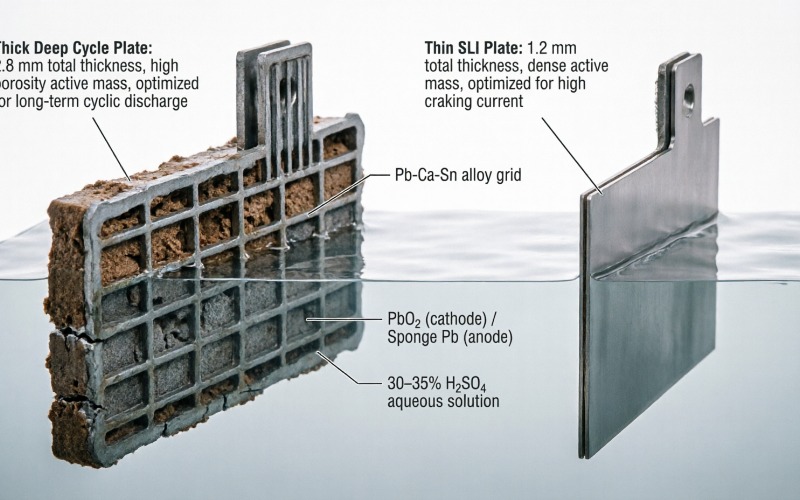
What is the structural anatomy of positive lead dioxide plates and negative spongy lead grids?
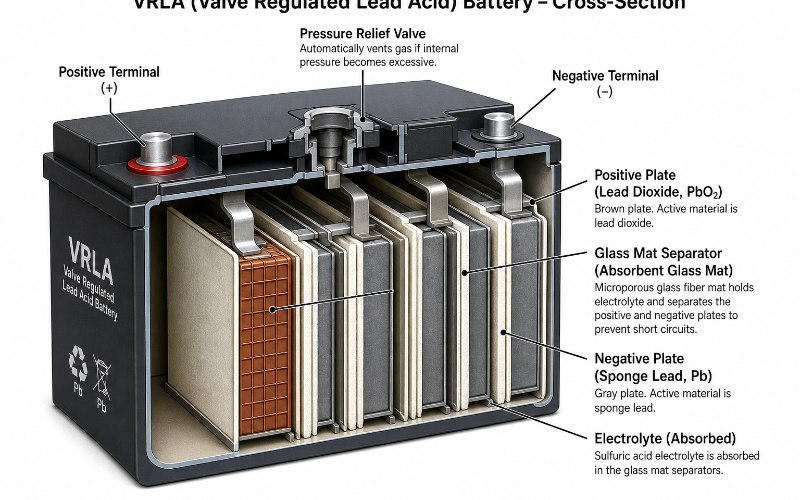
The internal architecture of a gel cell depends heavily on robust lead grid construction. The positive electrode consists of a lead grid pasted with lead dioxide (ext{PbO}_2), while the negative electrode features a porous spongy lead (ext{Pb}) grid. According to manufacturing quality standards, these grids are typically cast from lead-calcium-tin alloys to minimize gassing and reduce self-discharge rates to under 3% per month at 20°C.
Separators play a crucial role within this internal matrix by keeping the positive and negative plates physically isolated while allowing ionic conductivity. In a gel battery, microporous synthetic separators hold the silica-infused gel tightly against the plate surfaces. This intimate contact ensures continuous electrochemical pathways, even when the battery undergoes deep discharge cycles or physical vibration in mobile industrial applications.
How does the immobilized gel state eliminate routine acid electrolyte maintenance?
Operating traditional lead-acid systems requires frequent monitoring of specific gravity and regular top-offs with distilled water. By contrast, what is a gel battery if not a solution to maintenance burdens? The immobilized gel state immobilizes the electrolyte, which virtually eliminates evaporation and acid loss under normal operating conditions.
During the charging process, oxygen gas generated at the positive plate migrates through the micro-cracks in the gel matrix to recombine at the negative plate. This internal oxygen recombination cycle achieves a recombination efficiency of over 99%, according to standard industry benchmarks. Consequently, users never need to add water, making these VRLA batteries ideal for remote, unattended deployment sites where maintenance labor is scarce.
Which industrial equipment and remote off-grid scenarios rely on gel lead acid cells?
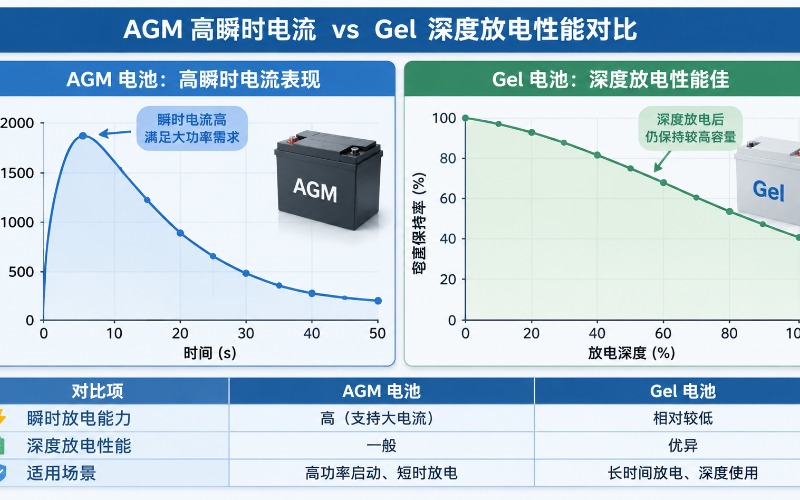
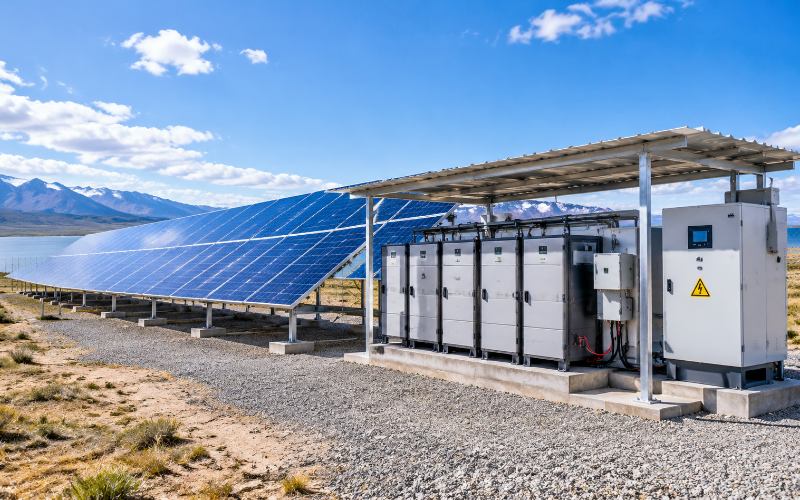
Global energy storage project developers frequently select gel cells for demanding environments characterized by unstable power grids or extreme ambient temperatures. Telecommunications base stations, solar photovoltaic (PV) installations, and marine backup systems represent primary deployment areas. Their superior tolerance to deep discharges makes them exceptionally reliable for renewable energy storage setups.
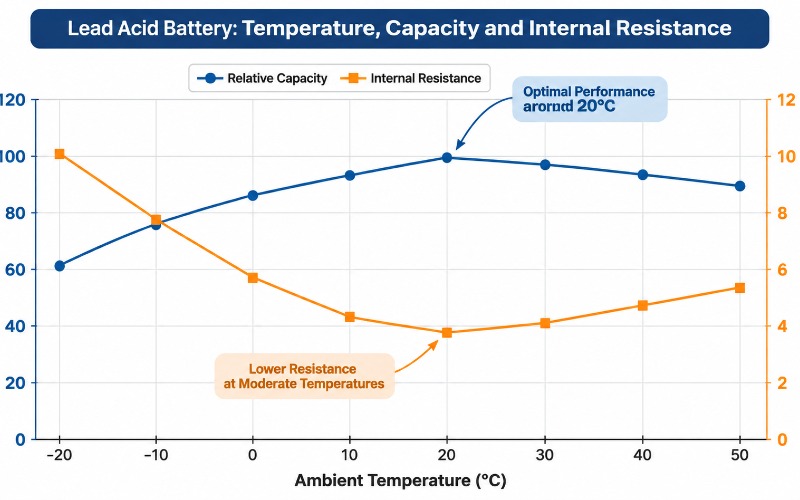
Furthermore, industrial floor scrubbers, electric wheelchairs, and mobility scooters utilize gel technology because the non-spillable design allows operation at various tilt angles. According to field performance data, gel units deliver stable performance across operating temperatures ranging from -20°C to 50°C, outperforming standard AGM alternatives in high-heat environments due to the thermal mass of the gel electrolyte.
Why do many overseas buyers mistake gel batteries for completely dry solid-state systems
A common point of confusion among international battery importers is the assumption that "gel" implies a completely dry, solid-state polymer structure. Because the electrolyte does not slosh around like liquid water, buyers sometimes mistakenly categorize them alongside advanced lithium solid-state batteries.
Clarifying this misconception is vital for proper handling and charging profile configuration. Gel batteries remain wet electrochemical cells at a microscopic level; the liquid sulfuric acid is simply suspended within a microscopic silica network. Understanding this distinction prevents incorrect charging voltage limits, ensuring that users do not apply excessive voltages that can dry out and permanently fracture the internal gel matrix.







 en
 fra
 spa
 de
 vie
 ru
 ara
 kor