This is more than just a series of products; it is an ecosystem we have built to achieve a more efficient, reliable, and sustainable energy future. Discover how our products and solutions can create t...
Our Industrial Batteries combine high-quality materials, robust design, and dependable performance. With excellent deep-cycle capability and easy maintenance, they are ideal for diverse applications. ...
JYC Transportation batteries are a category of power storage devices specifically designed for transportation scenarios, with core functions of providing continuous, stable, and high-efficiency power ...
JYC Motive Power batteries are deep-cycle energy storage devices specifically designed for industrial and commercial vehicles and specialized equipment. Their core function is to provide continuous an...
Focus on company news, product updates and market events. We provide continuous updates to bring you first-hand information, helping you stay informed about our development progress at all times.
Deep Cycle AGM vs Deep Cycle Gel Batteries for High Cyclic Demand Applications
2026-10-07 10:50:03
When evaluating deep cycle agm vs gel technologies, engineers must examine electrochemical performance, electrolyte immobilization, and active material utilization. According to standards outlined by the International Electrotechnical Commission (IEC), true deep cycle lead acid battery architectures are engineered to withstand repeated discharge cycles exceeding eighty percent depth of discharge without premature capacity loss.
What defines a true deep cycle lead acid battery compared to a standby float battery?
A standby float battery is primarily designed for Uninterruptible Power Supply (UPS) systems and telecommunications backup. These units remain on continuous float charge at 2.25 to 2.30 volts per cell, only experiencing occasional minor discharges. According to research published by the Institute of Electrical and Electronics Engineers (IEEE), standby designs utilize thinner positive grids optimized for high-rate, short-duration power output rather than deep electrochemical cycling.
In contrast, a deep cycle lead acid battery incorporates robust positive plates with significantly higher antimony or calcium-tin alloy mass. This structural reinforcement prevents grid corrosion and active material shedding during intense daily cycling routines. While standby batteries might fail after 200 deep cycles, a properly engineered cyclic battery durability profile ensures survival across 500 to over 1,500 cycles depending on the operational depth of discharge.
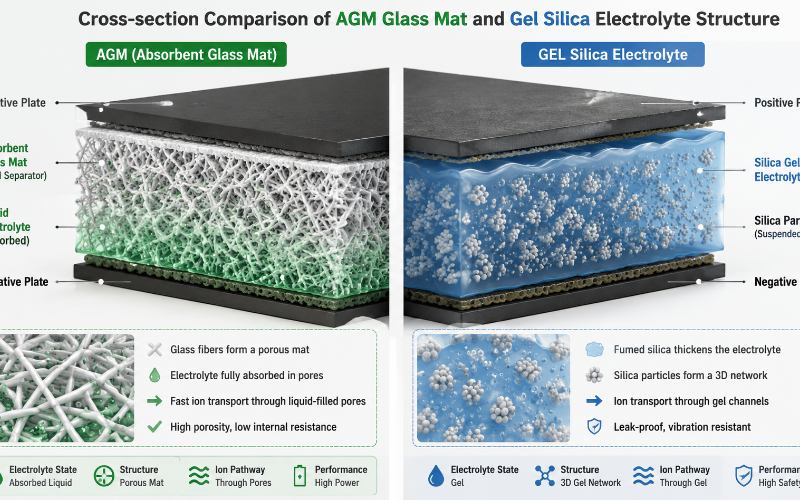
Many system designers mistakenly ask if are deep cycle batteries agm or gel, assuming these are the only two options. In reality, both Absorbed Glass Mat (AGM) and Gel technologies can be manufactured as deep cycle variants. However, their internal electrolyte containment methods dictate entirely different thermal behaviors and operational lifespans under heavy daily electrical loads.
Cycle life expectations at fifty percent and eighty percent depth of discharge benchmarks
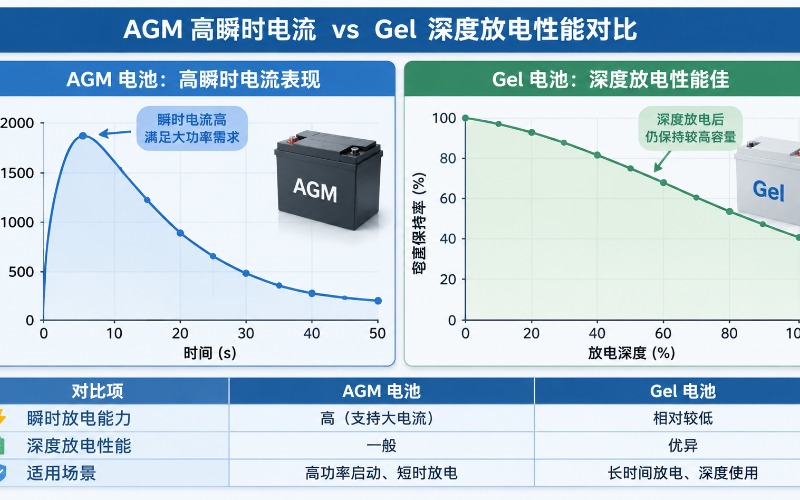
Quantifying cycle life requires analyzing specific depth of discharge (DoD) thresholds established during rigorous laboratory testing. According to standard industrial benchmarking data, a standard AGM deep cycle battery delivers approximately 500 cycles when discharged consistently to fifty percent DoD. When pushed to an aggressive 80 percent DoD benchmark, that same AGM battery typically yields between 250 and 300 cycles before failing to retain eighty percent of its initial rated capacity.
Gel batteries generally exhibit enhanced longevity under identical operating parameters due to their homogeneous electrolyte structure. Operating at a moderate fifty percent DoD allows high-quality gel cells to routinely achieve 700 to 900 cycles. When evaluating cycle life at 80 dod conditions, gel variants frequently sustain 400 to 500 cycles, outperforming standard AGM counterparts by roughly thirty to forty percent in aggressive renewable energy applications.
<!-- wp:table -->
Battery Technology
50% DoD Cycle Life
Cycle Life at 80 DoD
Primary Failure Mode
Standard AGM Deep Cycle
450 - 500 Cycles
250 - 300 Cycles
Plate sulfation & dry-out
Advanced Gel Deep Cycle
700 - 900 Cycles
400 - 500 Cycles
Grid corrosion & softening
Standby Float VRLA
200 - 250 Cycles
100 - 150 Cycles
Rapid active mass shedding
Why deep cycle gel batteries consistently outperform AGM in repeated daily deep cycling
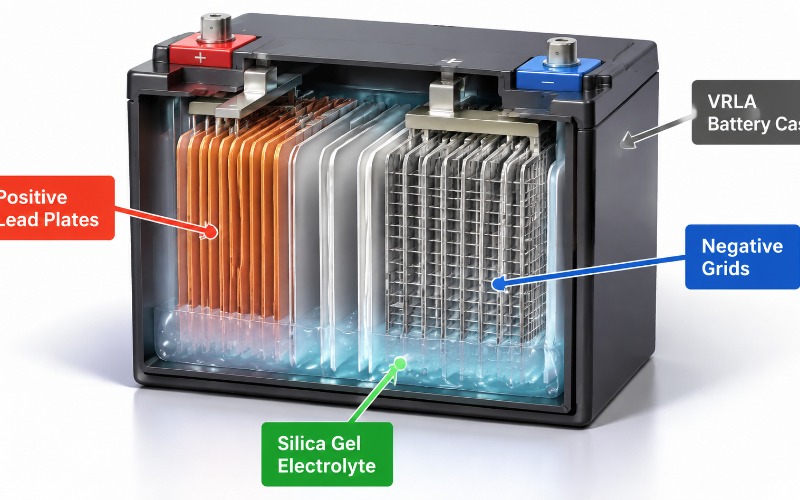
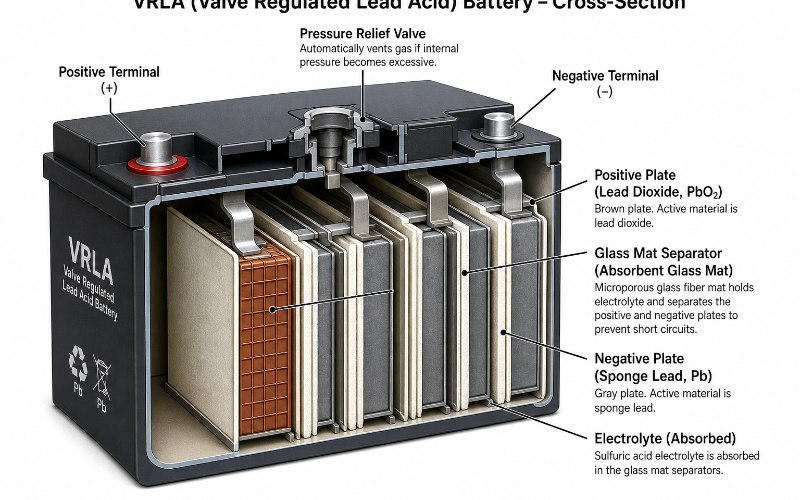
The superior cyclic battery durability of gel formulations stems from the silica-infused sulfuric acid matrix. Unlike AGM batteries where liquid electrolyte is absorbed into a microscopic fiberglass mat, gel electrolyte cures into a solid, honey-like paste that completely immobilizes the acid. This eliminates acid stratification entirely, a phenomenon where heavy acid concentrates at the bottom of standard cells during partial state-of-charge operation.
Furthermore, the gel matrix maintains constant physical pressure across the entire surface of the positive and negative plates. According to electrochemical analysis from leading testing laboratories, this continuous pressure prevents the active lead dioxide material from expanding and shedding during deep discharge events. Consequently, internal resistance remains stable over thousands of operational hours, minimizing thermal runaway risks during high-temperature charging cycles.
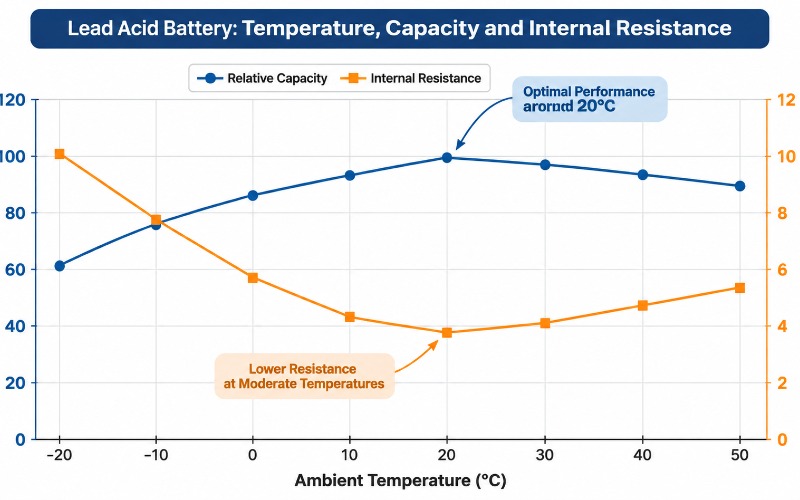
Thermal management also favors gel technology in high-ambient environments. Industry data indicates that gel batteries operate safely at temperatures up to 50 degrees Celsius with minimal degradation in cycle life. The thick gel medium conducts heat away from the core plates more uniformly than the dry-out prone glass fiber mats found in standard AGM configurations.
Structural differences in positive plate thickness and high density active paste formulations
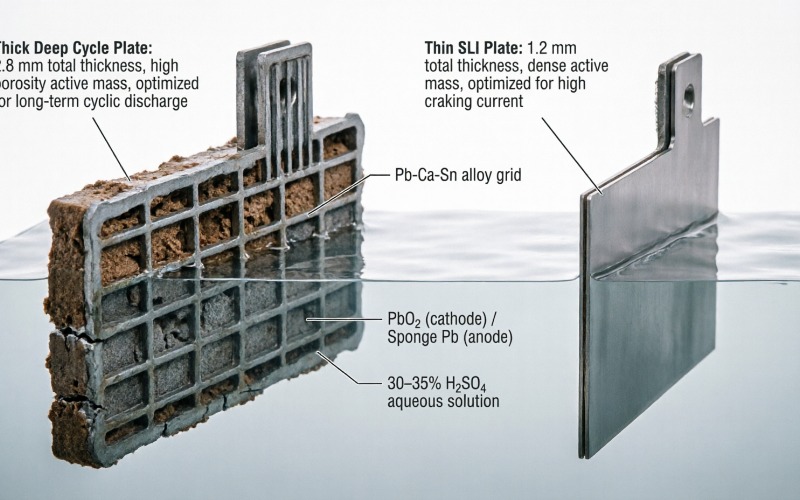
Plate metallurgy and active paste density dictate the ultimate mechanical resilience of any Valve-Regulated Lead-Acid (VRLA) battery. Deep cycle AGM and gel units incorporate positive plates that are significantly thicker—often measuring between 3.2mm and 4.5mm—compared to the 1.8mm plates typical of automotive or standby float systems. This added thickness provides sacrificial lead mass that slowly oxidizes over years of continuous electrochemical transformation.
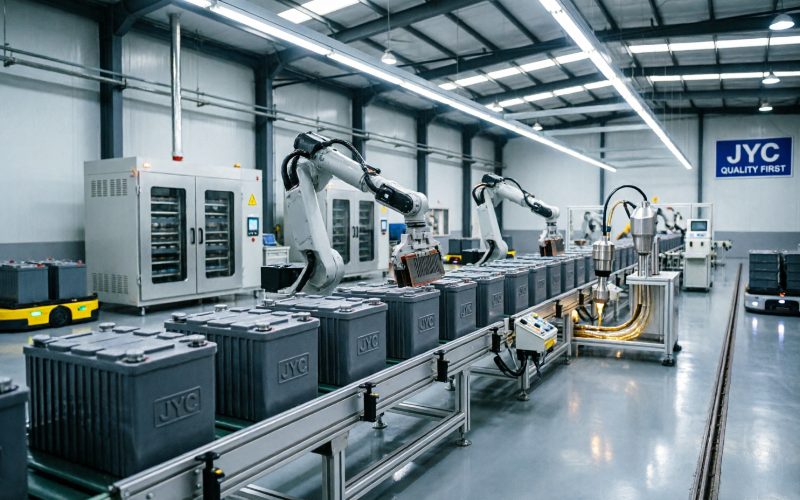
Active paste preparation involves mixing high-purity lead oxide with specific expanding agents, tetrabasic lead sulfate (4BS) seed crystals, and microscopic synthetic fibers. According to manufacturing quality control specifications, maintaining a paste density between 4.2 g/cm³ and 4.6 g/cm³ ensures optimal porosity for ionic transfer while resisting mechanical stress. High-density formulations prevent the active mass from cracking when the battery transitions from fully charged states to deep discharge states.
For more detailed insights into advanced heavy-duty plate manufacturing and VRLA engineering standards, explore our specialized energy storage portfolio. These industrial-grade manufacturing processes directly influence how effectively a battery absorbs charge currents during rapid solar generation windows.
Which battery type handles daily solar and off grid cyclic discharge more reliably
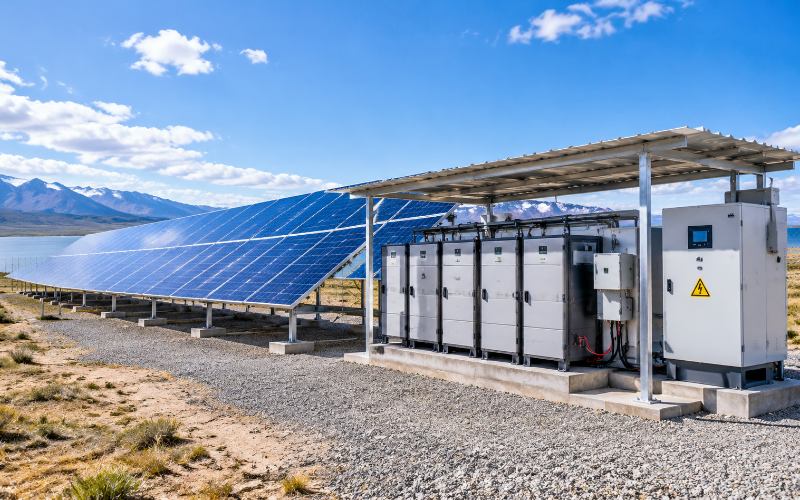
Selecting the optimal battery for remote power systems depends heavily on localized climate conditions and daily load profiles. Off-grid homeowners and solar installers operating in high-temperature environments benefit immensely from gel technology due to its exceptional thermal stability and resistance to dry-out. The immobilized gel medium cannot easily leak or evaporate, ensuring consistent capacity retention over a 10-year design life.
Conversely, marine electrical contractors and commercial fleet managers often prefer AGM batteries when high-rate surge power is required for electric winches, bow thrusters, or heavy motor starting. AGM batteries offer lower internal resistance, allowing them to deliver massive amperage bursts without experiencing severe voltage sag. However, for continuous daily cycling where the battery discharges by fifty to eighty percent every single night, gel variants provide superior long-term economic value and lower total cost of ownership.
System integrators must weigh these operational trade-offs carefully before finalizing project specifications. While AGM provides higher initial discharge rates and lower upfront costs, gel technology delivers unmatched cyclic resilience and thermal endurance for demanding off-grid infrastructure.





 en
 fra
 spa
 de
 vie
 ru
 ara
 kor