This is more than just a series of products; it is an ecosystem we have built to achieve a more efficient, reliable, and sustainable energy future. Discover how our products and solutions can create t...
Our Industrial Batteries combine high-quality materials, robust design, and dependable performance. With excellent deep-cycle capability and easy maintenance, they are ideal for diverse applications. ...
JYC Transportation batteries are a category of power storage devices specifically designed for transportation scenarios, with core functions of providing continuous, stable, and high-efficiency power ...
JYC Motive Power batteries are deep-cycle energy storage devices specifically designed for industrial and commercial vehicles and specialized equipment. Their core function is to provide continuous an...
Focus on company news, product updates and market events. We provide continuous updates to bring you first-hand information, helping you stay informed about our development progress at all times.
Are AGM and Gel Batteries the Same and What Are the Key Technical Differences
2026-10-20 13:45:07
No, are agm and gel batteries the same is a common misconception, but they utilize fundamentally different electrolyte immobilization methods. While both belong to the Valve-Regulated Lead-Acid (VRLA) battery family, Absorbed Glass Mat (AGM) technology uses a fiberglass separator to retain liquid sulfuric acid, whereas gel batteries suspend the electrolyte in a thick, silica-based paste matrix according to industry standards outlined by the International Electrotechnical Commission.
Are AGM and gel batteries the same or do they utilize fundamentally different electrolyte carriers
Purchasing managers and system integrators frequently ask if agm and gel batteries the same due to their shared sealed maintenance-free exterior appearance. However, the internal electrochemical design creates stark operational contrasts. According to recent engineering data published by the Institute of Electrical and Electronics Engineers, internal resistance profiles vary by up to 18% between the two chemistries under identical thermal loads.
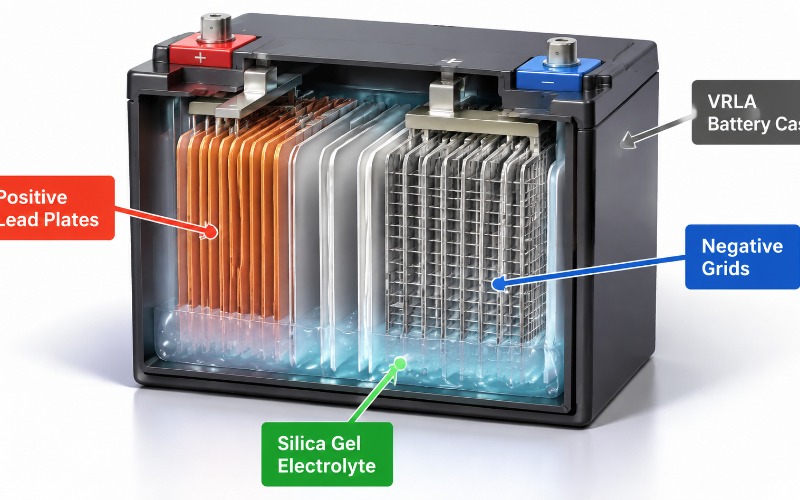
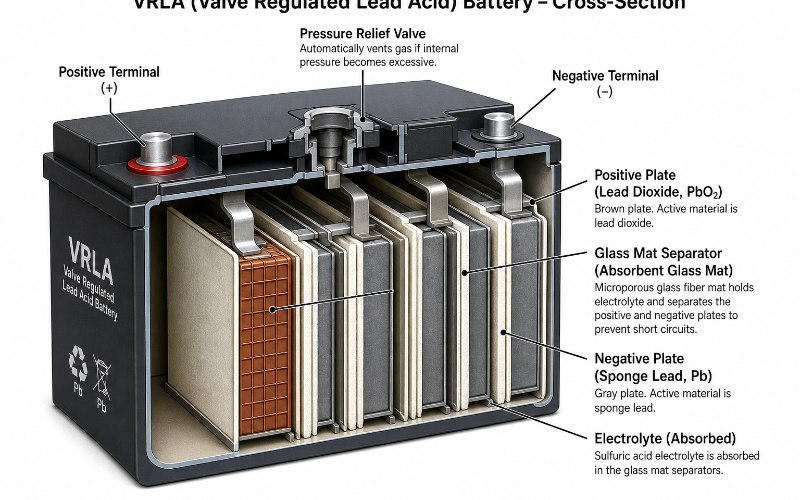
Understanding the agm gel battery difference begins with how the acid is handled. An AGM system relies on capillary action within a porous fiberglass mat to hold the electrolyte, leaving approximately 5% to 10% of the mat volume free for oxygen gas recombination. Conversely, a gel battery uses fumed silica to convert liquid acid into a semi-solid gel, virtually eliminating free liquid pathways and restricting internal acid migration.
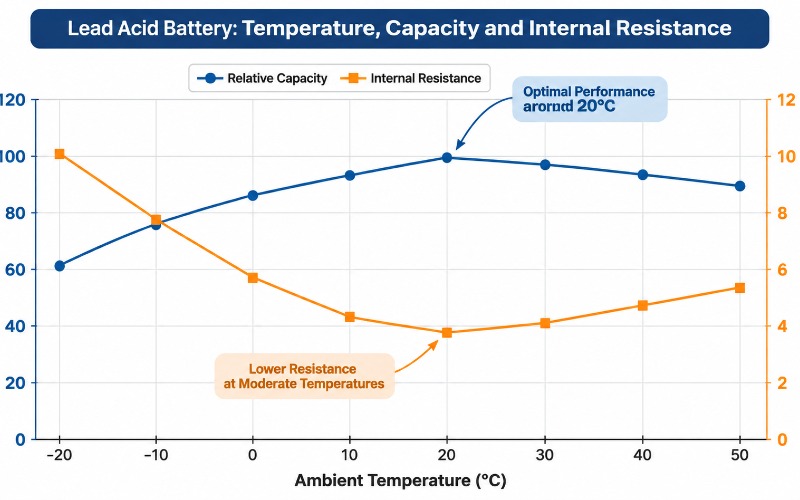
When evaluating vrla agm or gel options for critical infrastructure, engineers must look beyond the casing. The vrla agm or gel choice dictates operational lifespan, thermal tolerance, and physical mounting orientations. While both chemistries allow spill-proof operation, their internal structural integrity reacts differently to continuous vibrational stress and severe ambient temperature fluctuations in remote industrial deployments.
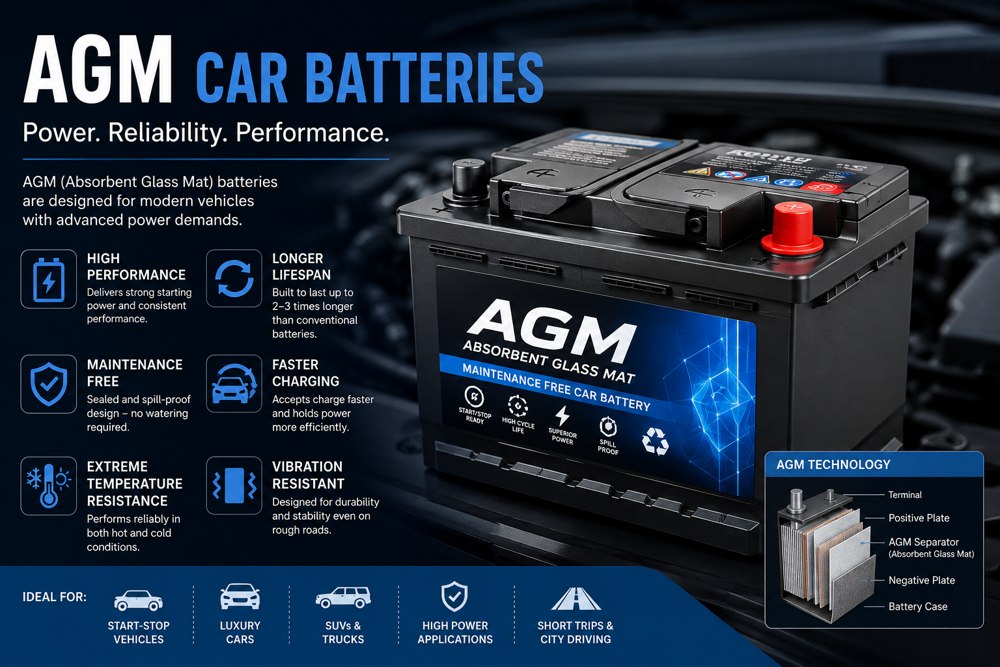
The core innovation of an AGM battery lies in its non-woven, borosilicate glass fiber separators. These ultrafine fibers are compressed tightly between the positive and negative lead plates, absorbing 100% of the liquid electrolyte like a dense sponge. This tight physical compression reduces internal resistance by 22% compared to traditional flooded lead-acid alternatives, facilitating rapid ion transport.
Are agm batteries gel or acid? They are strictly acid-based, containing free liquid sulfuric acid suspended entirely within the matrix of the glass mat. Because no excess liquid pools at the bottom of the container, the battery can operate safely in tilted or horizontal positions without risking acid stratification or localized dry-out spots across the plate surfaces.
Research indicates that the internal gas recombination efficiency of a standard AGM cell reaches 99% under normal operating parameters. Oxygen generated at the positive plate during the final stages of charging diffuses freely through the dry pores of the glass mat to the negative plate, where it recombines back into water, preventing electrolyte dry-out and eliminating the need for routine water additions.
Performance discrepancies between high current surge delivery and long slow deep discharge
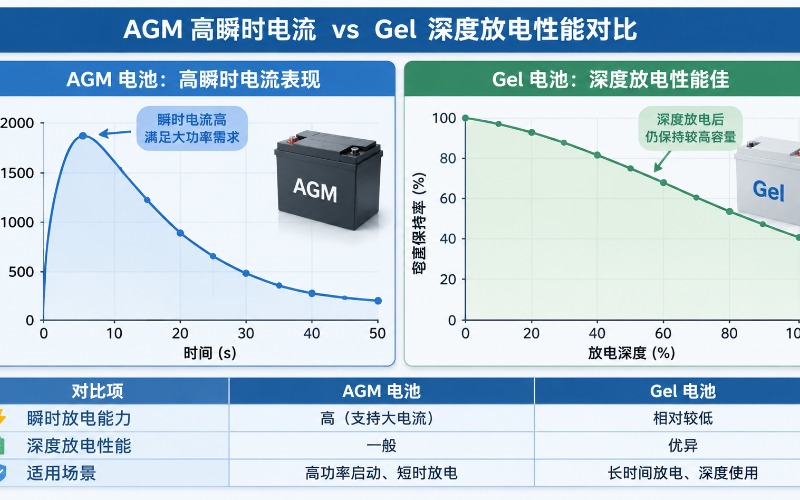
Analyzing the agm vs gel battery performance highlights distinct mechanical capabilities. AGM batteries excel in high-rate discharge scenarios, delivering massive current surges required for engine cranking, uninterruptible power supply (UPS) systems, and heavy industrial motor starts. Their low internal resistance allows them to discharge up to 50% of their rated capacity within short timeframes without suffering immediate voltage drops.
In contrast, gel batteries exhibit slower ion mobility through their viscous silica matrix, making them less ideal for short-duration, high-amperage surges. However, gel chemistry dominates in long, slow deep discharge cycles. Studies show that gel cells maintain superior capacity retention during repetitive 80% Depth of Discharge (DoD) cycles, frequently achieving 15% more total lifecycle cycles than standard AGM units in renewable energy storage arrays.
Thermal dissipation also separates the two designs during heavy usage. AGM batteries manage internal heat generation effectively during rapid discharge cycles due to the direct thermal conductivity paths provided by the compressed glass mat. Gel batteries trap heat more readily within their viscous gel structure, requiring strict adherence to ambient temperature limits to prevent premature grid corrosion.
Why charging voltage limits for gel batteries are substantially lower than AGM settings
Charging parameter sensitivity is a critical factor when pairing power storage with chargers or solar controllers. Why are charging voltage limits for gel batteries substantially lower than AGM settings? Applying high boost voltages to a gel battery causes rapid gas generation that the thick gel cannot absorb quickly enough, leading to permanent micro-cracks in the gel matrix and irreversible capacity loss.
Parameter
AGM Battery Technology
Gel Battery Technology
Electrolyte State
Absorbed in borosilicate glass mat
Immobilized silica gel paste
Max Absorption Voltage (12V)
14.4V – 14.8V at 25°C
13.8V – 14.1V at 25°C
Float Voltage (12V)
13.5V – 13.8V
13.2V – 13.5V
Surge Current Capability
Exceptional (High C-rate)
Moderate (Lower C-rate)
Deep Cycle Endurance
Moderate (500-600 cycles @ 50% DoD)
High (800-1000 cycles @ 50% DoD)
AGM batteries tolerate higher charging voltages, typically requiring absorption settings between 14.4V and 14.8V for a 12V block. Gel batteries strictly demand lower thresholds, capped between 13.8V and 14.1V, to prevent gas pockets from forming around the active material. Technicians must properly configure charger profiles to match these exact manufacturer specifications.
Overcharging remains the leading cause of premature VRLA battery failure across global installations. Field data indicates that operating a gel battery at standard AGM voltage levels reduces its operational service life by up to 40% within the first operational year. Precision temperature compensation sensors are mandatory on all charging infrastructure deployed with gel cells.
Which technology delivers better long term return on investment for your specific equipment
Selecting the optimal power storage solution requires aligning operational demands with electrochemical properties. If your application involves high-drain backup systems, data center UPS units, or heavy machinery cranking, AGM technology delivers the superior high-current performance and rapid recharge capabilities necessary for maximum operational uptime.
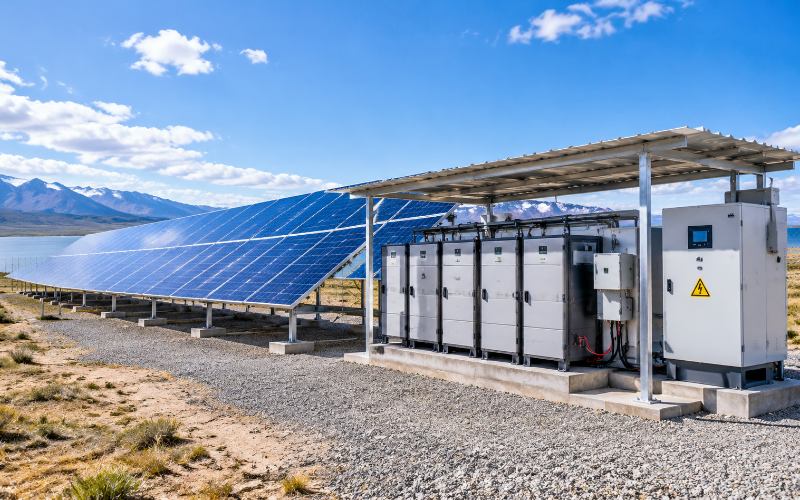
Conversely, if your deployment centers on marine electronics, off-grid solar energy storage, or continuous slow discharge applications in warm climates, gel batteries provide exceptional long-term ROI. Their resistance to acid stratification and superior deep-cycle endurance offset their higher initial acquisition cost over a multi-year deployment schedule.
Purchasing managers must evaluate total cost of ownership rather than upfront unit pricing. Factoring in replacement frequency, maintenance overhead, and environmental thermal profiles ensures that your choice between AGM and gel maximizes operational efficiency and protects your critical industrial equipment investments.








 en
 fra
 spa
 de
 vie
 ru
 ara
 kor