This is more than just a series of products; it is an ecosystem we have built to achieve a more efficient, reliable, and sustainable energy future. Discover how our products and solutions can create t...
Our Industrial Batteries combine high-quality materials, robust design, and dependable performance. With excellent deep-cycle capability and easy maintenance, they are ideal for diverse applications. ...
JYC Transportation batteries are a category of power storage devices specifically designed for transportation scenarios, with core functions of providing continuous, stable, and high-efficiency power ...
JYC Motive Power batteries are deep-cycle energy storage devices specifically designed for industrial and commercial vehicles and specialized equipment. Their core function is to provide continuous an...
Focus on company news, product updates and market events. We provide continuous updates to bring you first-hand information, helping you stay informed about our development progress at all times.
What Are Gel Batteries Made Of and How Does Silica Gel Electrolyte Function
2026-11-10 10:30:02
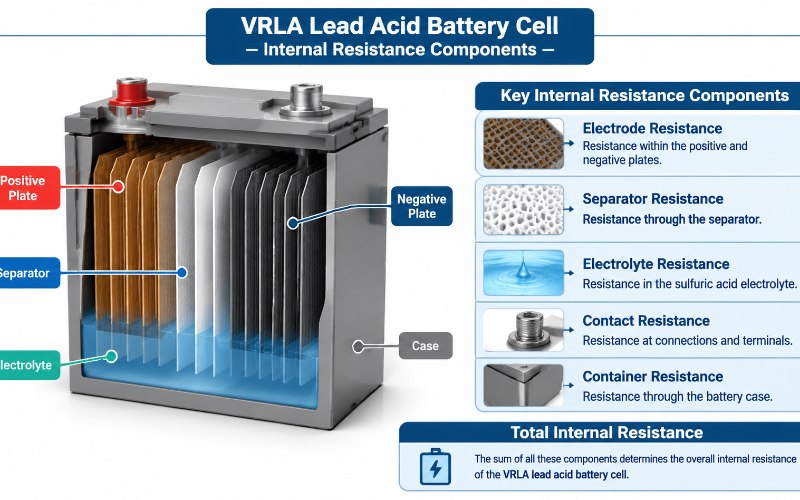
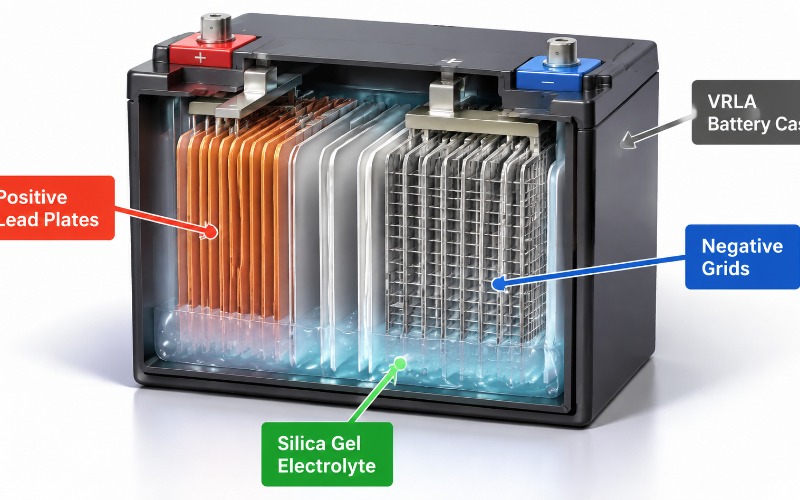
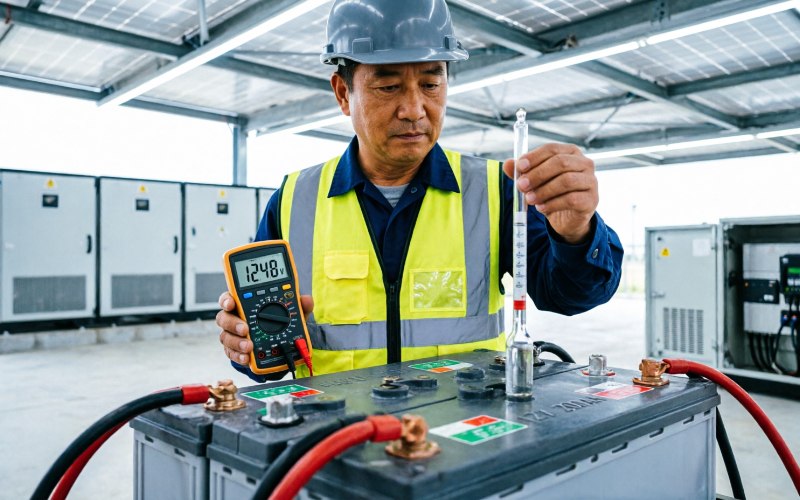
When investigating what are gel batteries made of, engineers find a specialized Valve-Regulated Lead-Acid (VRLA) system that immobilizes liquid acid into a solid-like matrix. According to industry standards published by the International Electrotechnical Commission (IEC), these power units rely on precise chemical interactions between sulfuric acid, fumed silica, and lead plates to deliver maintenance-free operation.
What raw materials form the immobilized electrolyte inside a true gel battery?
The primary components of a gel battery electrolyte include high-purity sulfuric acid, deionized water, and sub-micron fumed silica ($ ext{SiO}_2$). Manufacturers mix these raw materials under strict laboratory conditions to create a homogeneous liquid suspension before it undergoes chemical polymerization. According to research from the Institute of Electrical and Electronics Engineers (IEEE), the purity of the silica particles directly determines the internal resistance and overall cycle life of the VRLA battery system.
In addition to the chemical agents, the structural integrity depends on lead-calcium-tin alloy grids. These grids reduce gas generation during the float charging stage. Furthermore, the precise ratio of fumed silica ensures that the liquid solution transforms completely without causing excessive drying or cracking across the plates.
The physical transition from liquid sodium silicate solution to a stable thixotropic gel structure
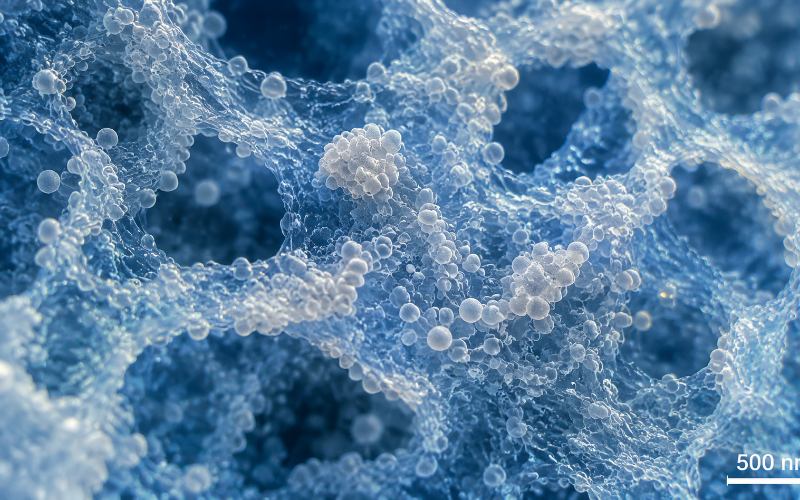
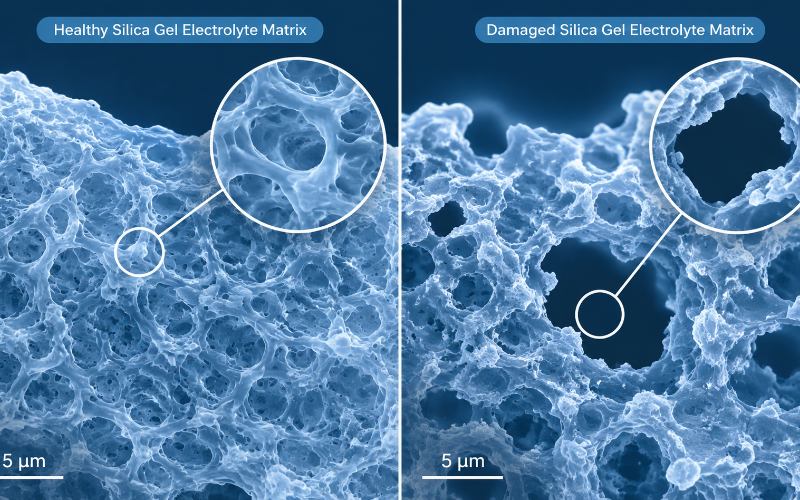
The transformation from a fluid state into a semi-solid matrix relies on controlled thixotropic gel electrolyte chemistry. Initially, the mixture of sulfuric acid and silica is pumped into the cell as a liquid. Over a specified curing period, the silica particles form a three-dimensional network through hydrogen bonding.
This thixotropic network exhibits a unique physical property: it liquefies slightly under mechanical stress or shear forces, yet solidifies immediately when the stress is removed. This behavior allows the electrolyte to fill micro-cracks and maintain intimate contact with the active plate surfaces during thermal expansion cycles.
How gelled electrolyte prevents acid stratification and active material shedding
Acid stratification remains a primary failure mode in traditional flooded lead-acid batteries, where heavier acid pools at the bottom of the container. By immobilizing the electrolyte, gel battery construction completely eliminates free fluid movement. Consequently, specific gravity remains uniform throughout the entire height of the plate.
Furthermore, the physical pressure exerted by the thick gel matrix restrains the positive active material ($ ext{PbO}_2$). According to material science benchmarks, this structural containment reduces shedding by up to 30% compared to standard flooded alternatives, extending deep-cycle operational lifespans significantly.
Why gel batteries exhibit superior deep discharge tolerance in high temperature environments
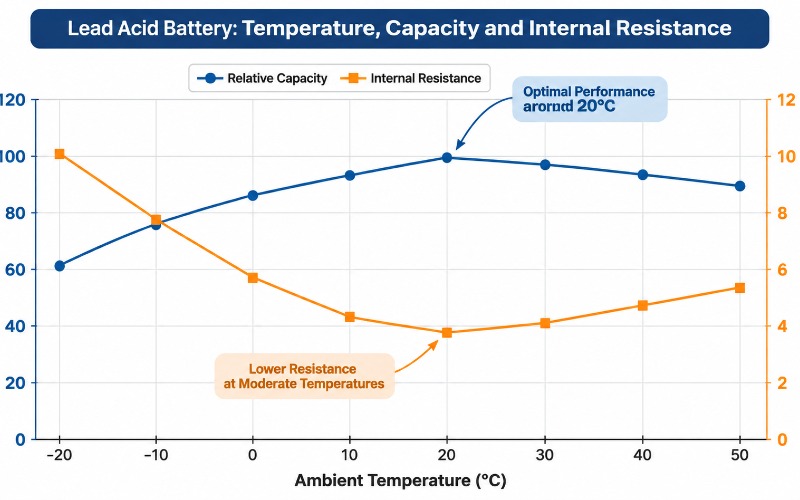
High ambient temperatures accelerate water loss and grid corrosion in standard energy storage systems. However, fumed silica gel battery designs retain moisture more effectively because the silica network traps water molecules within its microscopic capillaries. Operating parameters indicate that gel cells maintain stability even when ambient temperatures reach 45°C.
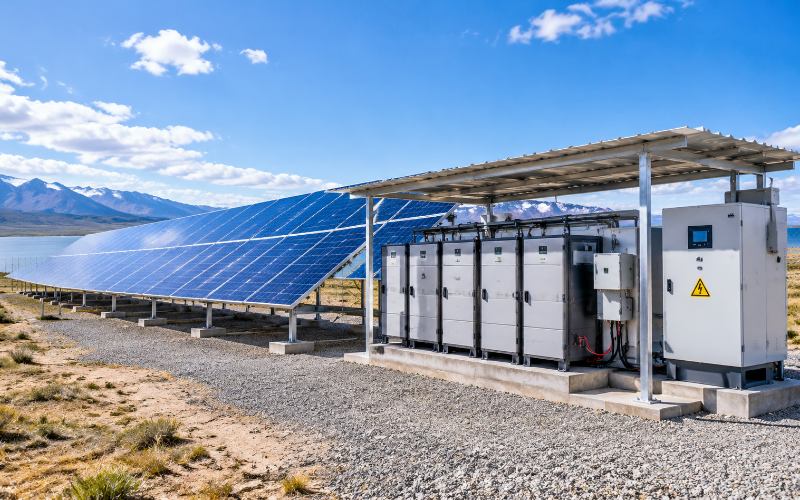
During deep discharge cycles, the robust electrolyte prevents localized dry-out spots on the plates. This thermal resilience makes gel technology ideal for remote solar installations and industrial applications located in harsh climates where regular maintenance is impractical.
Main structural differences in separator design between gel cells and flooded units
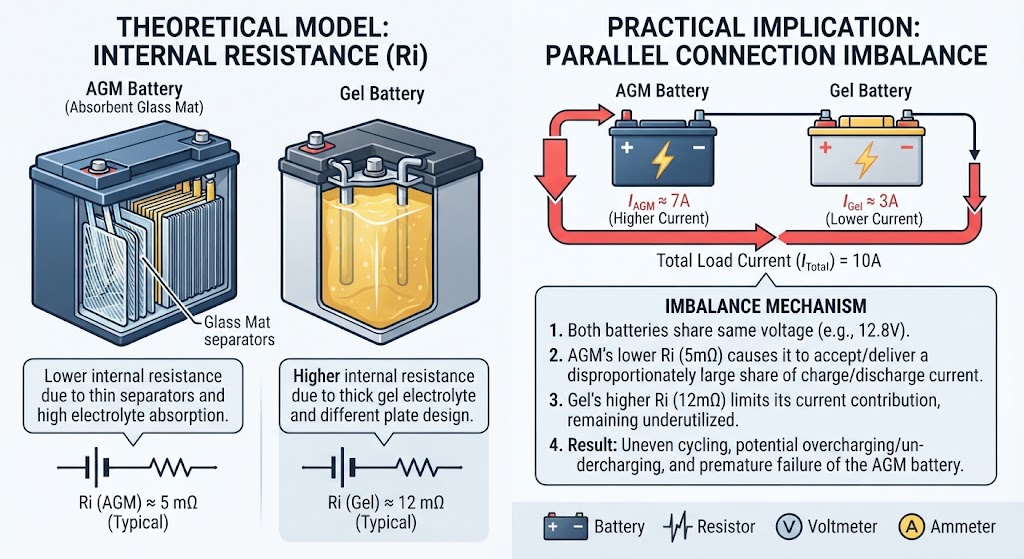
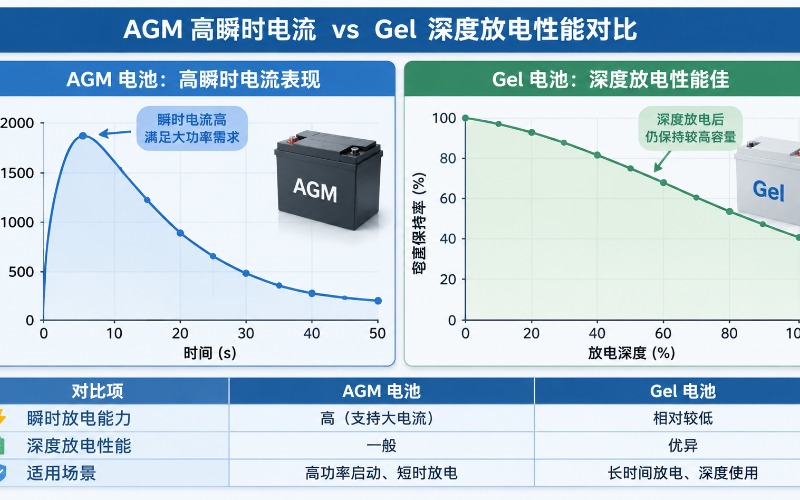
Internal separator architecture distinguishes gel cells from both AGM (Absorbent Glass Mat) and flooded configurations. While flooded batteries use inert plastic spacers and AGM relies on thin fiberglass mats, gel batteries often utilize micro-porous synthetic separators that accommodate the thick silica paste without blocking ionic conductivity.
Feature
Flooded Battery
AGM Battery
Gel Battery
Electrolyte State
Liquid Acid
Absorbed in Glass Mat
Immobilized Thixotropic Gel
Stratification Risk
High
Low
Negligible
High Temp Tolerance
Moderate
Good
Superior
Cycle Life
Standard
High
Extended Deep Cycle
Summary of key physical benefits in modern energy storage
Understanding what are gel batteries made of reveals why they dominate demanding renewable energy and industrial markets. Through advanced fumed silica integration, thixotropic physics, and elimination of acid stratification, these power units offer unmatched reliability, safety, and longevity for professional contractors and technicians.






 en
 fra
 spa
 de
 vie
 ru
 ara
 kor